Anxiety can feel confusing because it often affects both thoughts and emotions.
A person may understand logically that everything is fine, yet still feel worried, tense, or unable to relax. This happens because anxiety is not only about external situations. It is also connected with the way the mind interprets uncertainty, emotions, and possible threats.
Understanding these internal patterns can make anxiety feel less overwhelming.
The right books about anxiety relief can help readers explore why anxious thoughts appear, how emotions influence reactions, and what strategies can create a greater sense of calm.
Break the Anxiety Circle by Miles Carter
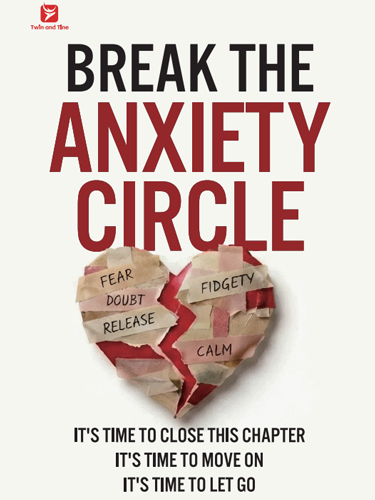
Break the Anxiety Circle
Miles CarterA mental reset for people trapped in the overthinking loop. Understand why your mind won’t stop racing — and how to break free from anxiety, people-pleasing, and emotional exhaustion.
Best for understanding the patterns behind anxiety
Anxiety often becomes difficult because people focus only on the feelings it creates without understanding the process behind those feelings.
Break the Anxiety Circle by Miles Carter explores how anxious thoughts develop, repeat, and influence emotional responses.
The book helps readers recognize:
- How anxiety creates repeating thought loops
- Why certain worries become difficult to stop
- How emotions influence thinking patterns
- How awareness can help create change
Instead of treating anxiety as something mysterious or uncontrollable, the book encourages readers to understand the mechanisms behind their experiences.
For anyone who wants to better understand their anxiety and develop a calmer mindset, Break the Anxiety Circle offers practical insights.
Rewire Your Anxious Brain by Catherine M. Pittman and Elizabeth M. Karle
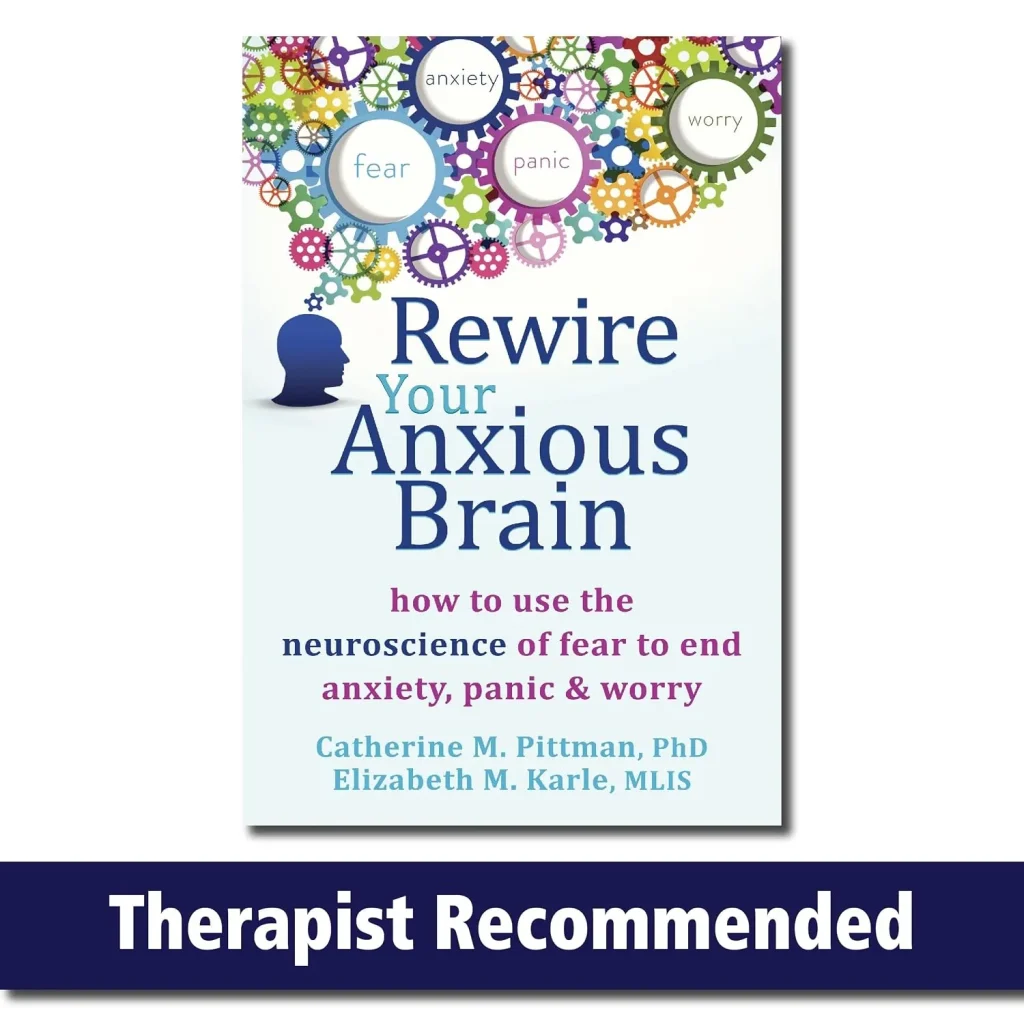
Best for understanding the brain’s role in anxiety
Anxiety involves both emotional experiences and biological responses.
Rewire Your Anxious Brain explains how different parts of the brain contribute to fear and anxiety reactions.
The book helps readers understand why anxiety responses happen and introduces strategies for creating healthier patterns.
For readers interested in the connection between neuroscience and emotional regulation, this book provides valuable perspectives.
Dare by Barry McDonagh
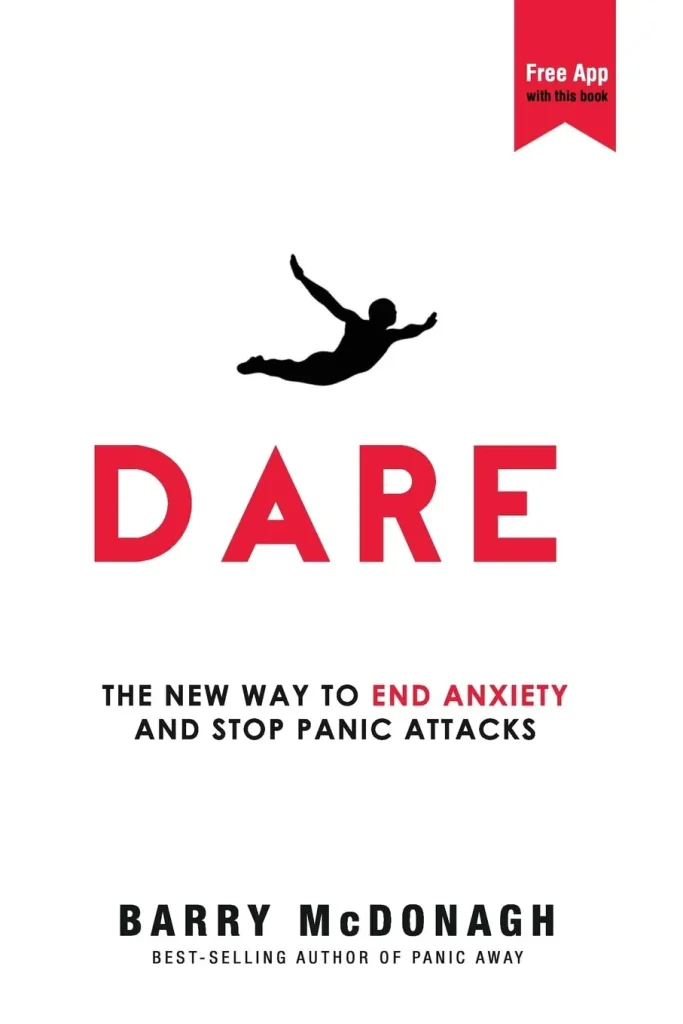
Best for changing your relationship with anxious feelings
Many people try to avoid anxiety because they believe uncomfortable feelings must disappear before they can move forward.
Dare explores a different approach by encouraging readers to respond to anxiety with greater acceptance and confidence.
The book provides strategies for facing anxious moments and reducing fear around anxiety itself.
Understanding Anxiety Creates More Control
Anxiety often feels stronger when people do not understand what is happening internally.
Learning about anxiety can help people recognize:
- Which thoughts increase stress
- Which reactions make anxiety stronger
- How to respond more intentionally
Knowledge can create a greater sense of control.
Why Awareness Is an Important Part of Anxiety Relief
Managing anxiety is not only about finding ways to relax.
It is also about developing a better relationship with thoughts and emotions.
When people understand their own patterns, they become better equipped to handle difficult moments.
Why Break the Anxiety Circle Is a Valuable Anxiety Book
Many anxiety books focus on techniques for calming symptoms.
Break the Anxiety Circle by Miles Carter focuses on understanding the cycle that creates repeated anxiety.
By helping readers identify patterns behind worry and overthinking, the book provides a foundation for long-term emotional growth.
For readers who want to understand anxiety at a deeper level, this book offers a practical starting point.