You know what you want to say, but when the moment comes, the words do not always come out the way you intended. Maybe you agree to take on another task even though your schedule is already full. Maybe you soften a reasonable request so much that the other person barely understands what you need. Later, you feel frustrated with yourself for staying quiet or wonder whether you sounded too harsh when you finally spoke up.
Assertive communication helps bridge that gap between what you think and what you actually say. It is not about being forceful, dominating a conversation, or getting your way every time. It means expressing your thoughts, needs, and boundaries clearly while leaving room for other people to do the same. These books offer different ways to develop that skill in everyday conversations, relationships, and difficult situations.
1. When I Say No, I Feel Guilty by Manuel J. Smith
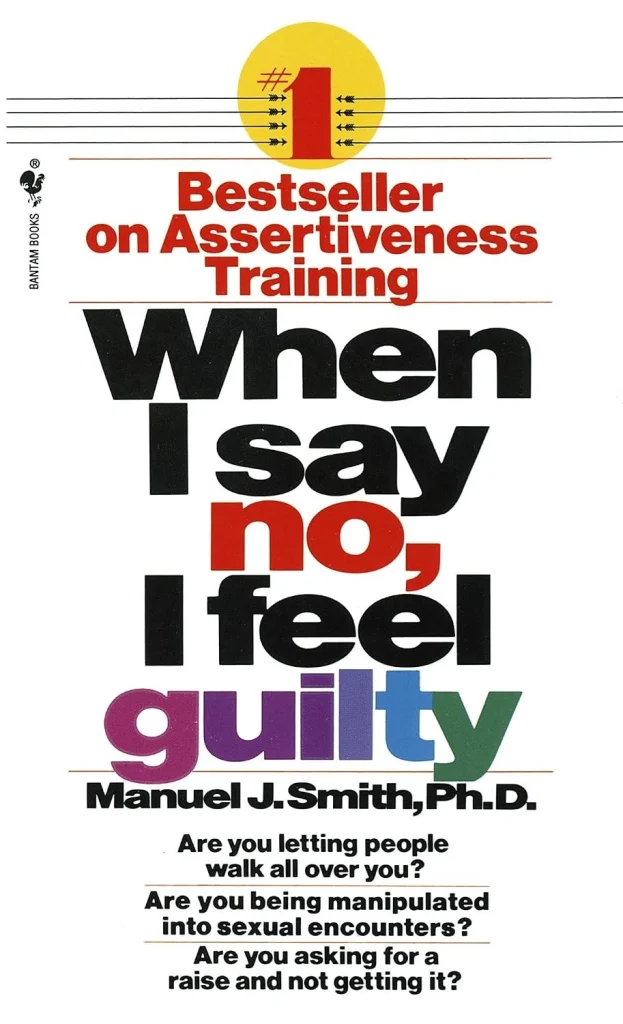
For people who struggle to say no, even a simple request can create an uncomfortable dilemma. You may worry about disappointing someone, damaging a relationship, or being seen as selfish. As a result, you agree to things you do not want to do and hope the frustration will eventually disappear.
When I Say No, I Feel Guilty introduces assertiveness techniques for expressing preferences, declining requests, and responding to pressure without becoming unnecessarily defensive. It helps readers recognize situations where guilt or social expectations make it difficult to speak honestly. Some of its examples reflect an older communication style, but its central focus on respectful self-expression remains relevant to people who want to stop treating every disagreement as a personal failure.
2. Say It Right Every Time by Miles Carter
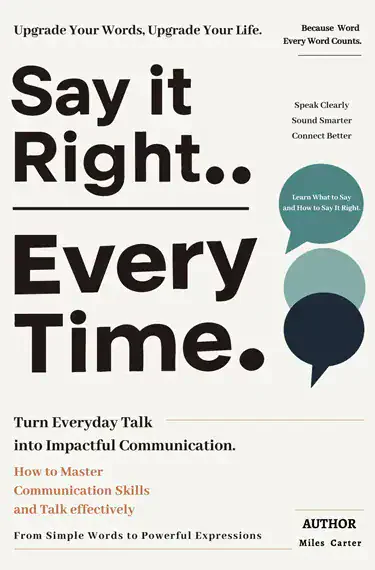
Knowing that you should communicate assertively is one thing; finding the right words when you feel nervous, criticized, or misunderstood is another. Say It Right Every Time by Miles Carter focuses on the practical language of everyday communication, with 115 scripts and 15 frameworks designed to help readers express themselves more clearly and respond calmly under pressure.
The book covers setting boundaries, making requests, disagreeing without escalating tension, expressing ideas with credibility and kindness, and avoiding the habit of pleasing everyone at your own expense. It also explores ways to respond when a conversation becomes uncomfortable instead of reacting impulsively or staying silent. For readers who want more than general advice, the scripts and frameworks offer concrete starting points for practicing assertiveness in real situations.
3. Your Perfect Right by Robert Alberti and Michael Emmons
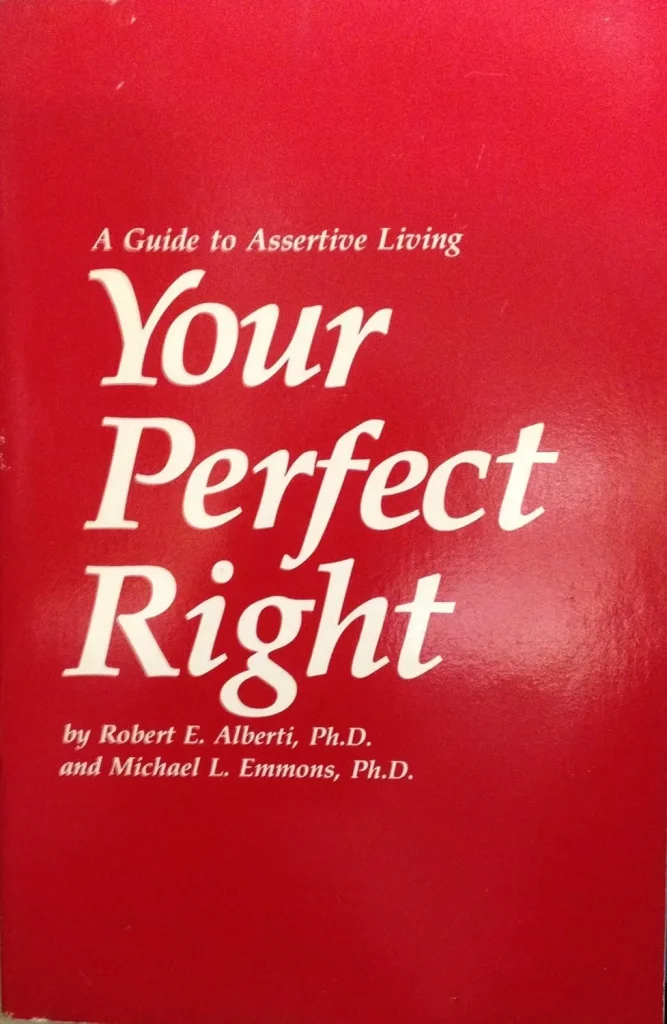
Assertiveness can feel uncomfortable when you have spent years prioritizing other people’s expectations. You might know that you have a right to express a different opinion, yet still feel guilty as soon as someone disagrees with you.
Your Perfect Right explores assertiveness as a learnable interpersonal skill rather than a fixed personality trait. The authors discuss how to communicate needs, protect personal rights, and handle conflict without relying on aggression or passive behavior. Its practical focus makes it a useful option for readers who want to understand the principles behind assertiveness and apply them across different areas of life.
4. The Assertiveness Workbook by Randy J. Paterson
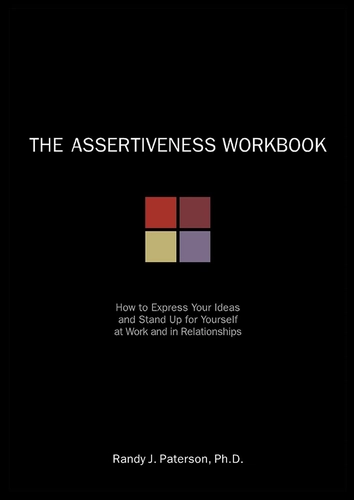
Some communication habits are easy to recognize but difficult to change. You may rehearse a conversation repeatedly, avoid speaking up in a meeting, or become defensive when someone challenges your opinion. Changing these patterns usually requires practice, not just a better understanding of what assertiveness means.
The Assertiveness Workbook offers structured exercises to help readers identify their communication habits and work on specific situations. It addresses common obstacles such as fear of rejection, anxiety about confrontation, and difficulty making requests. Rather than expecting readers to become confident overnight, it encourages gradual practice so that speaking directly becomes more familiar over time.
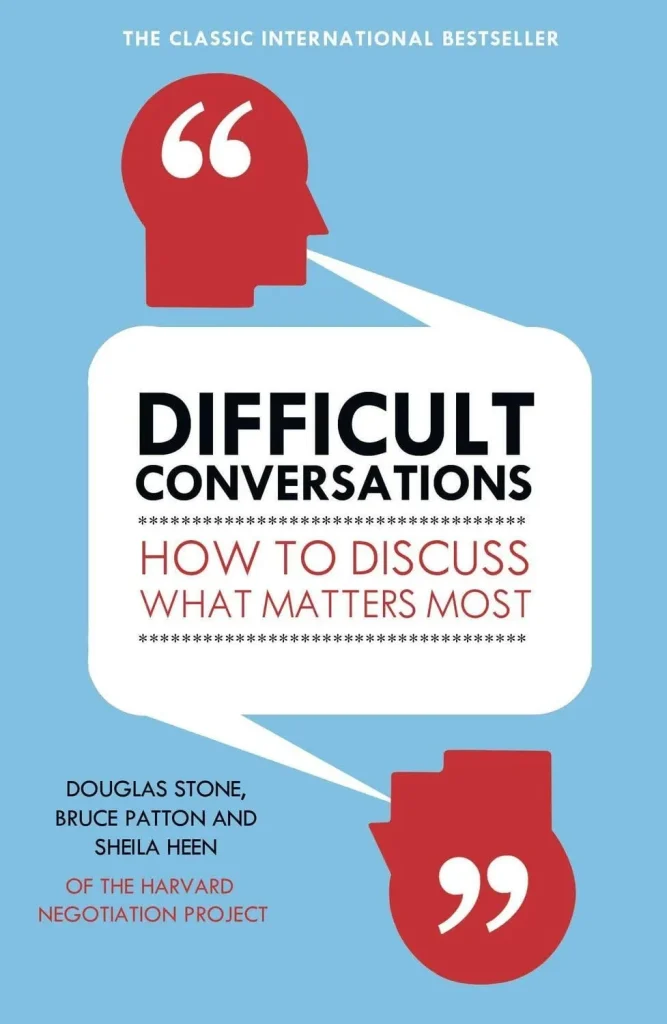
5. Difficult Conversations by Douglas Stone, Bruce Patton, and Sheila Heen
Assertiveness becomes especially challenging when a conversation involves criticism, disappointment, or competing expectations. A direct statement that works in a routine discussion may sound very different when emotions are high and both people feel misunderstood.
Difficult Conversations examines why sensitive discussions can go off track and how assumptions, interpretations, and emotional reactions influence what people hear. The authors encourage readers to explore different perspectives, communicate their own experience more accurately, and remain curious about the other person’s view. It is a useful choice for anyone who wants to be more direct without turning every difficult exchange into a confrontation.
Putting Assertiveness Into Practice
You do not have to change your entire communication style at once. Begin with one situation that regularly leaves you feeling unheard or resentful, such as declining an extra responsibility, asking for clarification, or expressing a different opinion.
Before the conversation, identify the point you need to communicate. Keep the wording simple, avoid apologizing repeatedly for having a reasonable need, and give the other person space to respond. If the discussion becomes tense, you can pause and return to it rather than abandoning your position or pushing harder.
Assertiveness is not measured by how strongly you speak. It is measured by whether you can communicate honestly, listen to the response, and remain respectful of both your own needs and the other person’s.
Did this article help you see things differently? Our books turn helpful ideas into practical tools you can return to anytime.





Imagine The Other Half
$24.99

