A parent asks their child to put away a tablet before dinner. The child says, “Just five more minutes,” then ignores the next reminder. When the parent finally takes the device away, the child shouts, the parent raises their voice, and a small request becomes a familiar argument.
Many parents want to respond calmly, but staying patient is difficult when the same behavior happens every day. Gentle parenting combines emotional understanding with consistent boundaries. It does not mean allowing children to do whatever they want. Instead, it encourages parents to guide behavior without relying on fear, humiliation, or yelling as their main tools of discipline.
These five books offer different perspectives on respectful communication, emotional regulation, and setting limits while maintaining a strong parent-child relationship.
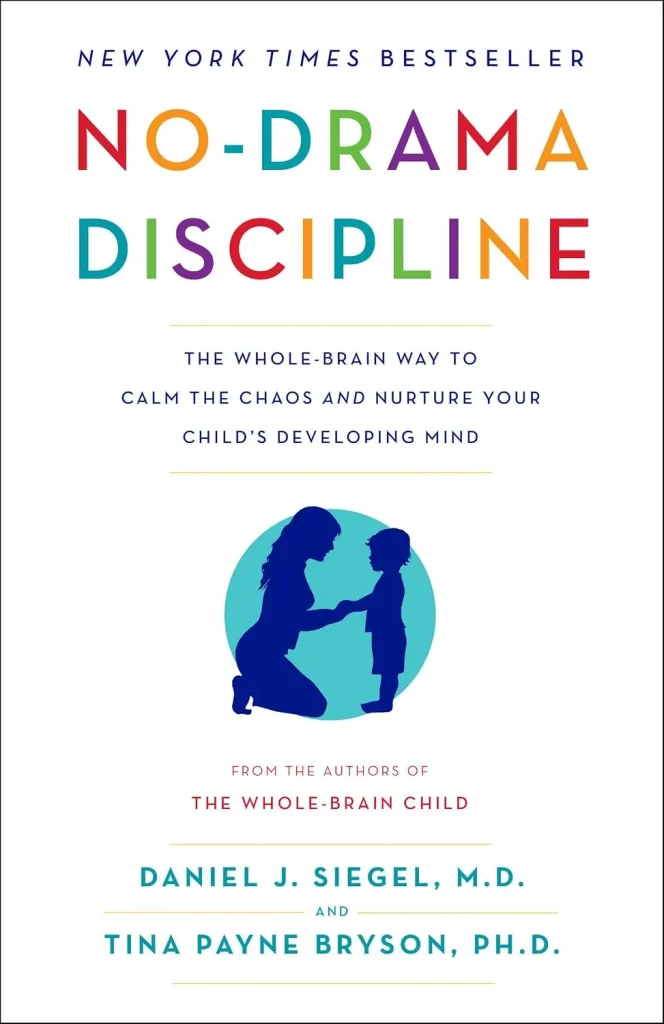
1. No-Drama Discipline by Daniel J. Siegel and Tina Payne Bryson
Discipline can quickly become a battle when parents focus only on stopping the behavior in front of them. A child refuses to do homework, talks back, or throws a tantrum, and the immediate goal becomes getting the child to obey. Yet the way a parent responds can influence whether the child learns from the situation or simply becomes more defensive.
No-Drama Discipline explains how discipline can be used as a teaching opportunity rather than punishment alone. Daniel J. Siegel and Tina Payne Bryson draw on child development and brain science to explain why children may struggle to manage their reactions and how parents can respond in ways that support learning.
The book encourages parents to connect with a child before trying to correct the behavior. This does not mean ignoring the problem. A parent can acknowledge that a child is angry while still making it clear that hitting, insulting, or throwing things is unacceptable.
For example, instead of shouting, “Stop this right now!” a parent might say, “I can see you’re upset because playtime is over. It’s still time to put the game away, and I’ll help you get started.” The expectation remains firm, but the child is less likely to experience the interaction as a personal attack.
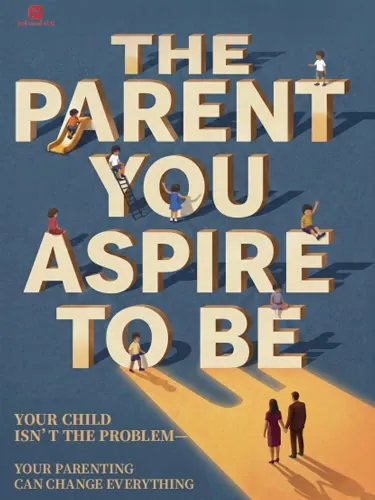
2. The Parent You Aspire to Be by Miles Carter
Parents often know they should stay calm, but knowing what to do and knowing what to say in a stressful moment are two different things. When a child refuses to study, lies about unfinished homework, spends too much time online, or responds rudely to a request, frustration can take over before a parent has time to think.
The Parent You Aspire to Be by Miles Carter focuses on practical ways to handle everyday parenting challenges through behavior guidance, emotional management, and parent-child communication. It addresses situations such as procrastination, school resistance, lying, rude speech, emotional outbursts, anxiety, and difficulty following boundaries.
The book focuses on replacing unhelpful reactions with clearer language and actionable steps. Rather than relying on repeated lectures or threats, parents can learn to explain expectations, respond to resistance, and maintain limits without turning every disagreement into a power struggle.

The Parent You Aspire to Be
Miles CarterPractical guidance for tantrums, backtalk, lying, screen addiction, emotional outbursts, and everyday parenting struggles.
Imagine that your child refuses to begin homework after several reminders. Instead of saying, “You’re lazy and never listen,” you could try, “Homework needs to be finished before gaming. Would you rather start with math or reading?” This response addresses the behavior without attacking the child’s character and gives them a manageable next step.
For parents who want guidance they can apply to familiar family situations, this book connects emotional awareness with concrete communication strategies. It also encourages parents to examine how they respond when stress rises, since a parent’s reaction can either calm a conflict or intensify it.
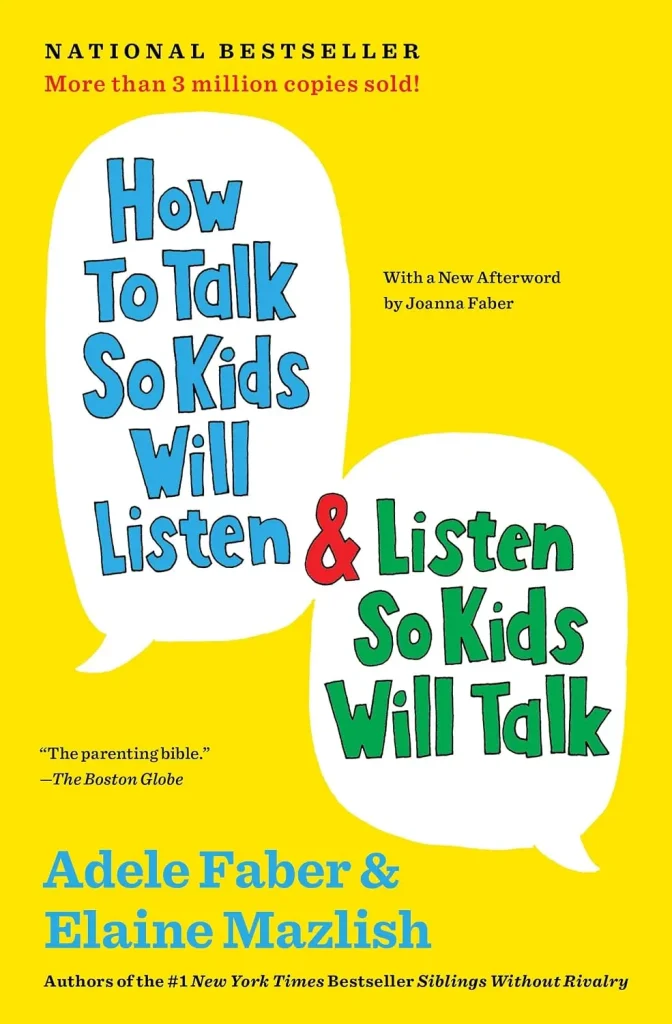
3. How to Talk So Kids Will Listen & Listen So Kids Will Talk by Adele Faber and Elaine Mazlish
Some family conflicts happen because parents and children get caught in the same communication pattern. A parent gives an instruction, the child resists, the parent repeats it more loudly, and the child becomes even less cooperative. By the end, both sides feel unheard.
How to Talk So Kids Will Listen & Listen So Kids Will Talk offers practical communication techniques for helping children express their feelings while making expectations easier to understand. The authors explore how parents can acknowledge emotions, describe problems without attacking a child’s character, and involve children in finding solutions.
For example, if a child leaves belongings scattered around the living room, a parent might be tempted to say, “You’re so messy!” A more constructive response would be, “There are toys all over the floor, and we need a clear space to walk. Please put them in the storage box before dinner.”
The difference matters. The second statement identifies the problem and the required action without labeling the child. The book includes examples and exercises that help parents practice these changes in everyday interactions.
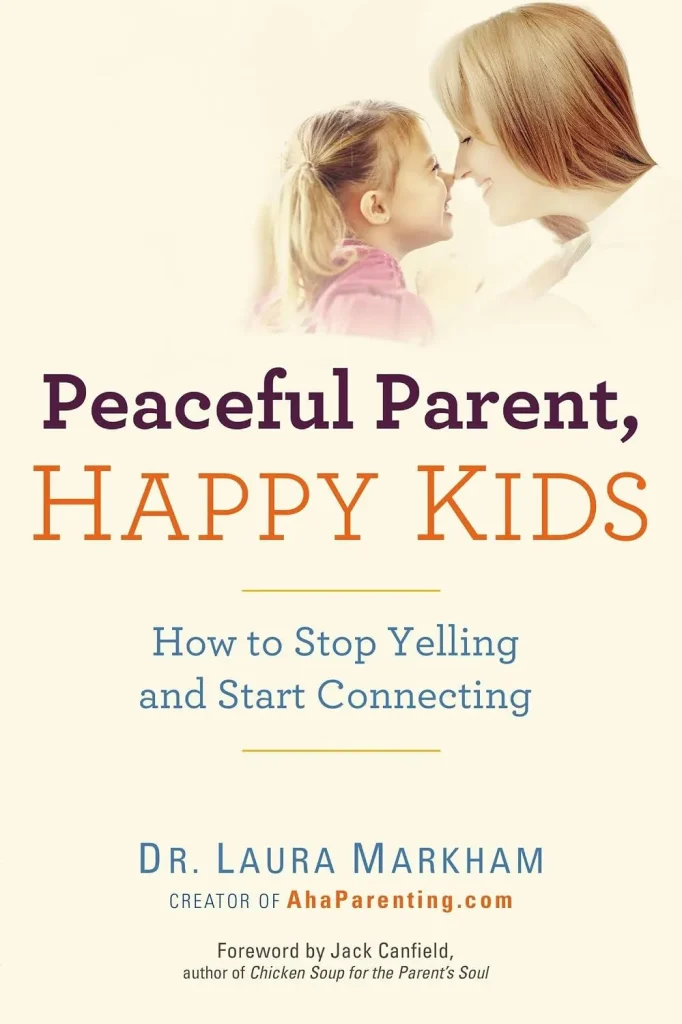
4. Peaceful Parent, Happy Kids by Dr. Laura Markham
A child’s behavior is not the only factor that determines whether a difficult moment turns into yelling. A parent who is exhausted, rushing to finish work, or already worried about several responsibilities may have less patience for an ordinary disagreement. A small act of defiance can become the final straw.
In Peaceful Parent, Happy Kids, Dr. Laura Markham emphasizes the connection between parental emotional regulation, the parent-child relationship, and children’s behavior. The book encourages parents to manage their own reactions, build connection with their children, and guide behavior without relying on harsh punishment.
A central idea is that calm discipline starts before the conflict reaches its peak. Parents can notice their own warning signs, pause before responding, and return to the issue when they are better able to think clearly. This helps prevent a child’s temporary frustration from becoming a prolonged confrontation.
The book is particularly relevant for parents who regret yelling after an argument and want to develop a more consistent response. It does not suggest that parents must remain perfectly calm at all times. Instead, it offers ways to recover from difficult moments and build healthier patterns over time.
5. Positive Discipline by Jane Nelsen
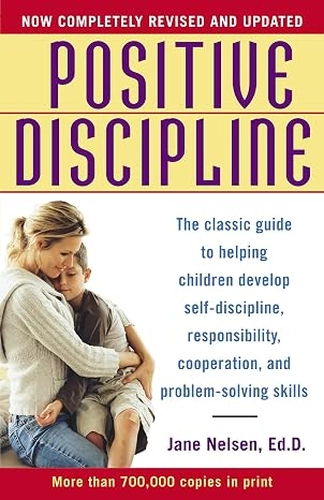
Parents sometimes feel forced to choose between being strict and being kind. If they enforce a rule, they worry they are being too harsh. If they listen to their child’s objections, they worry they are giving in. This tension can make discipline inconsistent, especially when children test limits repeatedly.
Positive Discipline by Jane Nelsen presents an approach that combines kindness with firmness. It emphasizes teaching responsibility, encouraging cooperation, and helping children understand the effects of their choices rather than relying on punishment or permissiveness.
The book encourages parents to look beyond the immediate misbehavior and consider how to help children develop useful skills. A child who refuses to complete a household task, for instance, may need a clear expectation, a predictable routine, and an opportunity to take responsibility for the next step.
Positive discipline does not mean removing consequences. It means making sure that limits are respectful, relevant, and connected to learning. Parents who want a structured approach to cooperation and accountability may find its principles useful across many recurring family challenges.
How to Discipline Without Yelling
Reading about gentle parenting is a useful starting point, but the approach becomes meaningful when you apply it during ordinary conflicts. You do not need to change every parenting habit at once. Begin with one recurring situation, such as homework resistance, bedtime delays, or arguments about screen time.
- Keep the rule clear. Tell your child what needs to happen rather than repeating a long explanation. “The tablet goes away at 7 p.m.” is easier to understand than a lecture about responsibility.
- Acknowledge feelings without removing limits. You can say, “I know you want to keep playing,” while still following through with the agreed rule.
- Describe behavior instead of attacking character. Focus on what happened and what needs to change. Avoid labels such as lazy, selfish, or impossible.
- Use consequences that relate to the situation. If a child leaves toys across a shared space, part of the solution can be putting them away before starting the next activity.
- Repair the relationship after losing your temper. If you yell, acknowledge it and return to the original issue calmly. Apologizing for your reaction does not mean abandoning the boundary.
Consistency matters more than delivering a perfect response every time. Children may continue testing a limit even after parents begin responding differently. The goal is to make expectations predictable and the parent’s response increasingly steady.
Gentle Parenting Still Needs Boundaries
Disciplining without yelling is not about avoiding every conflict or ensuring that a child is always happy with a decision. Children still need limits, accountability, and guidance when their behavior affects other people. What changes is how parents communicate those expectations and help children learn from mistakes.
The five books offer different ways to build that balance. Some focus on child development, others on parental self-regulation or practical communication. Choose the approach that best matches the situations your family faces most often, then practice it one interaction at a time.

