Anxiety can affect the way people think, feel, and experience everyday life.
For some people, anxiety appears as constant worrying. For others, it may show up as overthinking, fear of uncertainty, or difficulty relaxing even when everything seems fine.
While anxiety is a natural human response, learning how to understand and manage it can help people regain a greater sense of balance.
Books about anxiety can provide valuable perspectives by explaining why anxious thoughts happen and offering practical strategies for responding differently.
The right book can help readers understand their emotions, recognize unhealthy patterns, and develop a calmer relationship with their thoughts.
Break the Anxiety Circle by Miles Carter
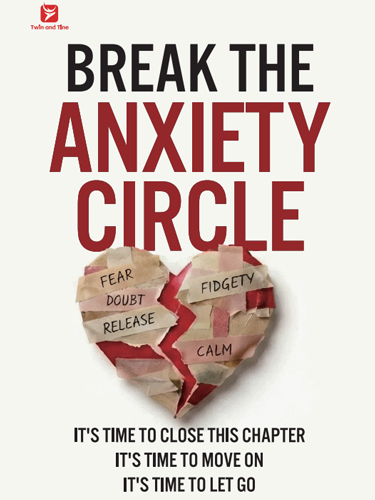
Break the Anxiety Circle
Miles CarterA mental reset for people trapped in the overthinking loop. Understand why your mind won’t stop racing — and how to break free from anxiety, people-pleasing, and emotional exhaustion.
Best for understanding why anxiety keeps repeating
Anxiety often feels like a loop that is difficult to escape.
A single worry can create more questions, more fear, and more attention toward possible problems. Over time, this cycle can become a habit of thinking.
Break the Anxiety Circle by Miles Carter focuses on understanding this repeating pattern and learning how to interrupt it.
The book explores:
- Why anxious thoughts become repetitive
- How fear influences decision-making
- The connection between thoughts and emotions
- Ways to create healthier mental patterns
Instead of simply offering temporary comfort, the book encourages readers to understand the mechanisms behind anxiety.
For anyone who feels trapped in cycles of worry and overthinking, Break the Anxiety Circle provides practical insights into developing a calmer mindset.
Hope and Help for Your Nerves by Claire Weekes
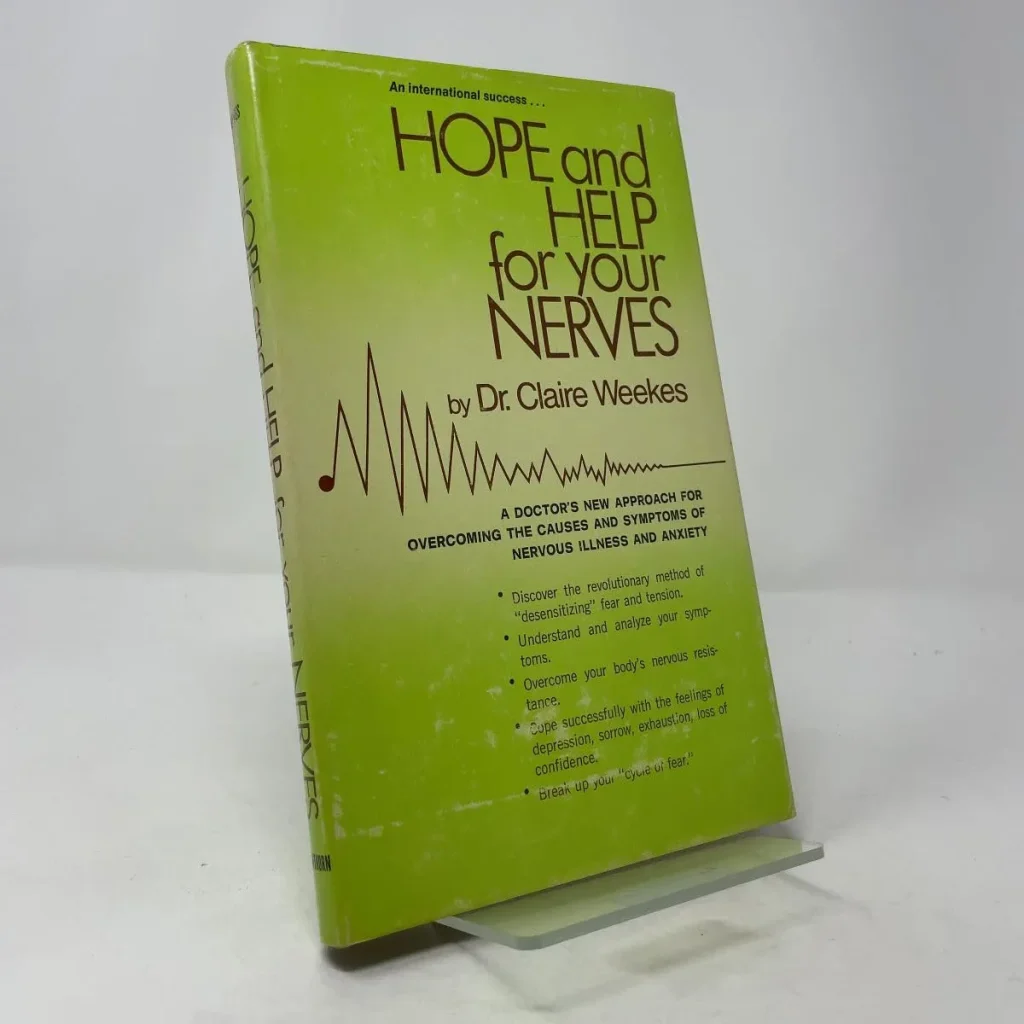
Best for understanding physical anxiety responses
Anxiety is not only an emotional experience. It can also create strong physical sensations that make people feel even more worried.
Hope and Help for Your Nerves explores how people can understand anxious feelings without becoming overwhelmed by them.
The book focuses on accepting sensations, reducing fear responses, and developing confidence in handling anxiety.
For readers who want to better understand the relationship between anxiety and physical reactions, this book provides a classic perspective.
The Happiness Trap by Russ Harris
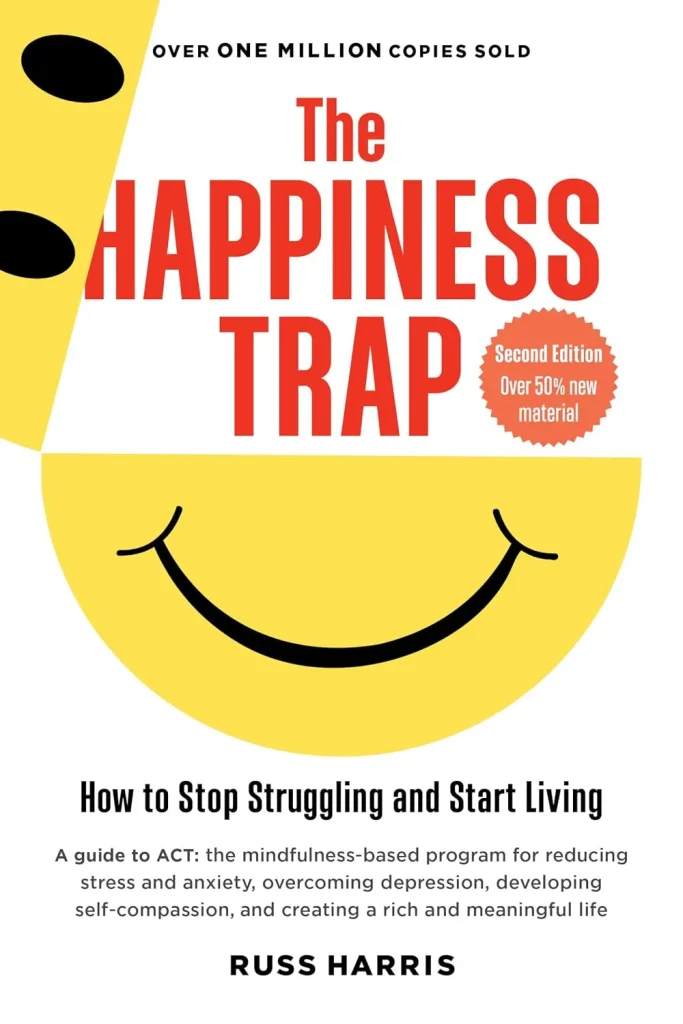
Best for changing your relationship with difficult thoughts
Many people try to eliminate uncomfortable thoughts and emotions, but this struggle can sometimes make anxiety stronger.
The Happiness Trap introduces ideas from Acceptance and Commitment Therapy (ACT) and explains how people can respond differently to difficult emotions.
The book encourages readers to create psychological flexibility and focus on meaningful actions despite uncomfortable feelings.
For those who want a different approach to managing anxiety, this book offers valuable insights.
Why Overcoming Anxiety Starts With Understanding
Many people want anxiety to disappear immediately.
However, long-term improvement often begins with understanding.
When people recognize their anxiety patterns, they can start noticing:
- What triggers anxious thoughts
- How they respond to fear
- Which habits increase stress
- What actions create emotional balance
Awareness creates the foundation for change.
Building a Calmer Mind Takes Practice
A calmer mindset does not mean never experiencing stress or worry.
It means developing the ability to respond to difficult thoughts with more awareness and control.
The right books can help readers develop this skill by providing new perspectives and practical strategies.
Why Break the Anxiety Circle Is Worth Reading
Many anxiety books focus on relaxation methods or managing symptoms.
Break the Anxiety Circle by Miles Carter focuses on the thought patterns that keep anxiety alive.
By helping readers understand the cycle behind worry, the book provides a practical approach to breaking repetitive anxious thinking.
For readers who want to build a calmer mind and regain control over their thoughts, this book offers a valuable starting point.