Many parents have experienced this moment:
Your child refuses to listen.
You repeat yourself several times.
Your emotions become stronger.
And suddenly, you raise your voice.
Afterward, many parents feel guilty.
They think:
“Why did I react that way?”
“I want to be more patient.”
“I know my child deserves a calmer response.”
Wanting to stop yelling does not mean parents do not care.
Often, it means they care deeply and want to improve the relationship.
The right parenting books can help parents understand their emotions, children’s behavior, and healthier ways to communicate.
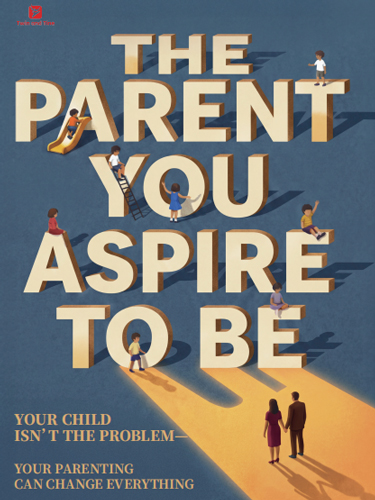
The Parent You Aspire to Be
Miles CarterPractical guidance for tantrums, backtalk, lying, screen addiction, emotional outbursts, and everyday parenting struggles.
1. The Parent You Aspire to Be
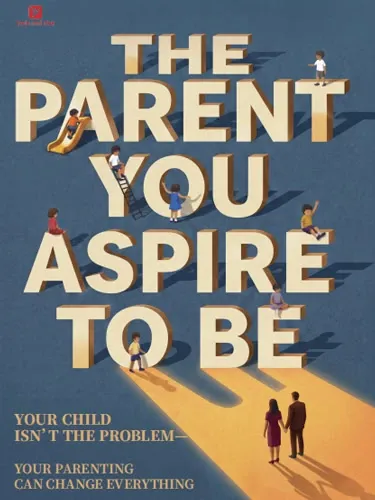
Best for: Parents who want to respond with more awareness and connection
Many parenting struggles are not only about children’s behavior.
They are also about what happens inside parents during stressful moments.
When children have big emotions, parents often experience their own:
- Frustration
- Stress
- Feeling of losing control
- Fear that they are not doing enough
The Parent You Aspire to Be focuses on helping parents reflect on the kind of parent they want to become.
Instead of only asking:
“How do I make my child listen?”
The book encourages parents to consider:
“How can I respond in a way that strengthens our relationship?”
It helps parents think about:
- Emotional awareness in parenting
- The impact of daily interactions
- Understanding children’s needs behind behaviors
- Creating a more connected family environment
For parents who often regret their reactions and want to build a calmer relationship with their children, this book offers a meaningful perspective.
2. No-Drama Discipline
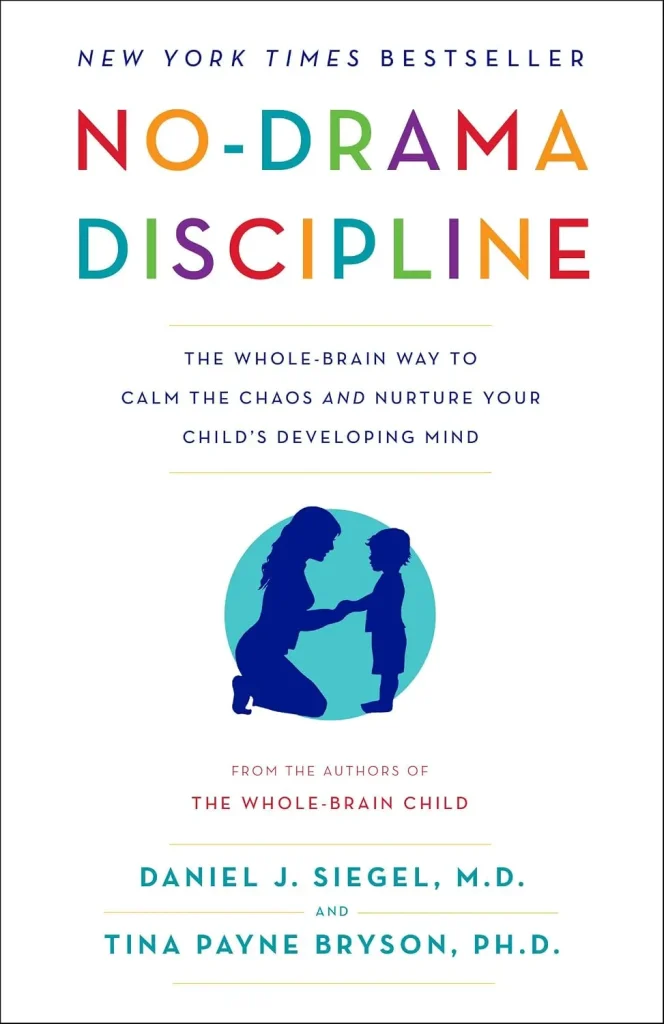
Best for: Parents who want calmer ways to handle difficult behavior
Discipline moments are often when parents feel the most pressure.
A child refuses to cooperate.
A conflict becomes bigger.
Everyone becomes frustrated.
No-Drama Discipline by Daniel J. Siegel and Tina Payne Bryson explores how parents can guide children while maintaining connection.
The book focuses on responding to behavior in ways that teach emotional skills instead of simply stopping unwanted actions.
It is helpful for parents who want alternatives to punishment, frustration, or repeated conflict.
Why Do Parents End Up Yelling?
Most parents do not yell because they want to.
It often happens when several things happen at once:
- Feeling ignored
- Being physically or emotionally tired
- Repeating the same request many times
- Feeling overwhelmed by daily responsibilities
Understanding these triggers is an important step.
A calmer response usually begins before the difficult moment happens.
Becoming a Calmer Parent Starts With Awareness
Stopping yelling is not about becoming a perfect parent.
Everyone loses patience sometimes.
The goal is learning to notice patterns:
What situations trigger strong emotions?
What does your child need in that moment?
What response matches the parent you want to become?
Small changes in everyday interactions can gradually transform the relationship.
Which Book Should You Read First?
Choose The Parent You Aspire to Be if you want to:
- Reflect on your parenting approach
- Build stronger emotional connection
- Understand how your responses affect your child
Choose No-Drama Discipline if you want:
- Practical discipline strategies
- Better ways to handle challenging behavior
- More peaceful parent-child interactions
Both books help parents move away from constant conflict and toward more understanding communication.
Final Thoughts
Every parent has moments they wish they handled differently.
But becoming a better parent is not about never making mistakes.
It is about noticing, learning, and reconnecting.
The Parent You Aspire to Be is a valuable choice for parents who want to create a more thoughtful, respectful, and emotionally connected relationship with their children.
Because the goal is not just raising children who listen.
It is building a relationship where both parents and children feel understood.