Stress can become difficult when it stops feeling temporary. Work, family responsibilities, financial concerns, uncertainty, and constant demands can create a level of pressure that follows people throughout the day. Even when there is time to rest, the mind may remain active and unable to fully switch off.
People struggling with stress often look for more than quick relaxation techniques. They may want to understand why they feel overwhelmed, why certain thoughts keep returning, and how to build habits that make everyday pressure more manageable.
Books can provide different perspectives on these problems. Some focus on the stress response itself, while others examine worry, emotional exhaustion, or the thought patterns that can make stressful situations feel even more intense.
Here are three best books for people struggling with stress that approach the subject from different angles.
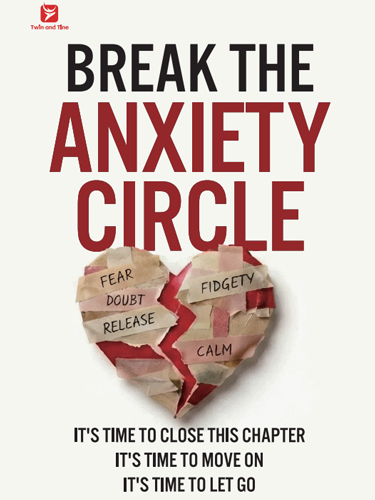
Break the Anxiety Circle by Miles Carter
Break the Anxiety Circle
Miles CarterA mental reset for people trapped in the overthinking loop. Understand why your mind won’t stop racing — and how to break free from anxiety, people-pleasing, and emotional exhaustion.
Best for stress that is fueled by repetitive worry
Stress and anxiety can reinforce one another. A stressful situation creates uncertainty, uncertainty creates more worrying, and repeated worrying can make the original situation feel even more threatening.
Break the Anxiety Circle by Miles Carter focuses on the thought patterns that can keep this cycle going. The book encourages readers to recognize when their minds are repeatedly returning to the same concerns and to understand how those patterns contribute to emotional pressure.
By becoming more aware of these cycles, readers can begin to distinguish between useful thinking and repetitive worrying. That distinction can be particularly valuable for people whose stress is closely connected to constant mental analysis.
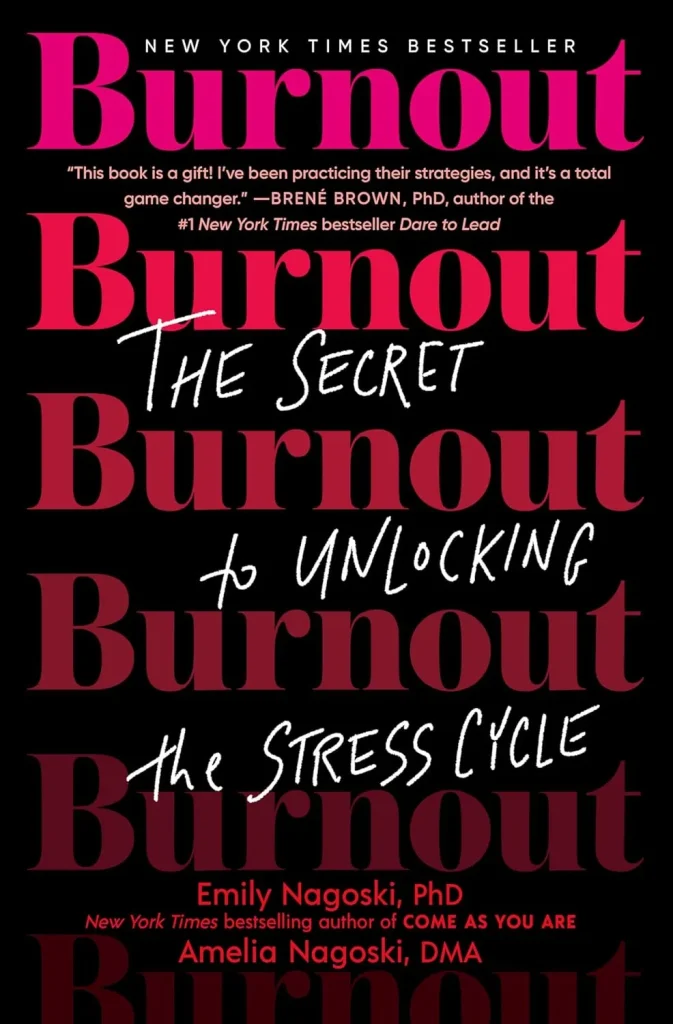
Burnout by Emily Nagoski and Amelia Nagoski
Best for understanding prolonged stress and exhaustion
Stress does not always disappear simply because a demanding task has ended. People can finish work, leave a difficult situation, or finally get some free time and still feel physically and emotionally tense.
Burnout explores the stress response and the importance of recovery. The book looks at why people can remain affected by stress even after the immediate pressure has passed and discusses ways to support the process of recovery.
For readers who feel exhausted by ongoing demands, it provides a useful perspective on why rest and recovery matter.
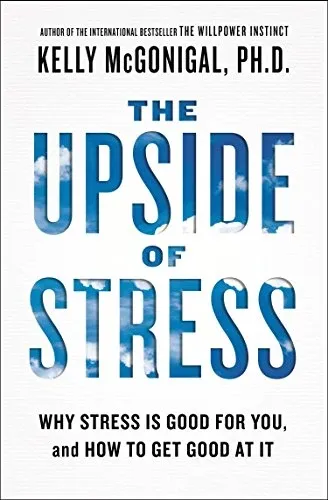
The Upside of Stress by Kelly McGonigal
Best for changing the way you think about stress
Stress is often treated as something that must always be eliminated, but the way people interpret stress can influence how they experience it.
The Upside of Stress explores research on the stress response and considers ways people can develop a different perspective on stressful situations. Rather than suggesting that stress is always positive, the book examines how mindset can influence the way people respond to pressure.
For readers who want to rethink their relationship with stress rather than simply escape it, this book offers an interesting approach.
Why Ongoing Stress Can Feel So Overwhelming
Stress becomes particularly difficult when there is no clear boundary between “on” and “off.” When the mind continues thinking about unfinished tasks, possible problems, or future responsibilities, even quiet moments can feel mentally demanding.
Recognizing that pattern can help people understand why simply taking a short break does not always create a genuine feeling of rest. Sometimes the mind needs space from the cycle of worry as well as time away from the source of stress.
Managing Stress Requires More Than One Strategy
There is no universal solution for stress because the causes can be very different. One person may need to address constant worry, while another may need to recover from long-term exhaustion or reconsider the way they respond to pressure.
Books can help readers explore these different possibilities and identify which patterns most closely match their own experience. The most useful ideas are often the ones that can be incorporated into ordinary routines rather than treated as temporary fixes.
Why Break the Anxiety Circle Is Worth Reading
The books in this list approach stress from three different directions: recurring worry, prolonged exhaustion, and the way people interpret stress.
Break the Anxiety Circle by Miles Carter is particularly relevant for readers whose stress is closely connected to repetitive anxious thinking. By helping readers recognize the cycle between thoughts and emotional reactions, the book offers a practical starting point for building a calmer and more balanced mindset.