Many parents hope their children grow up to be confident, kind, and emotionally healthy.
But emotional intelligence is not something children develop automatically.
Children learn how to understand and manage emotions through their relationships and daily experiences.
Parents often wonder:
“How can I help my child express feelings in a healthy way?”
“How do I teach emotional skills without controlling my child?”
“How can I create a home where my child feels understood?”
The right parenting books can help parents understand children’s emotional needs and develop better ways to support their growth.
The Parent You Aspire to Be by Miles Carter
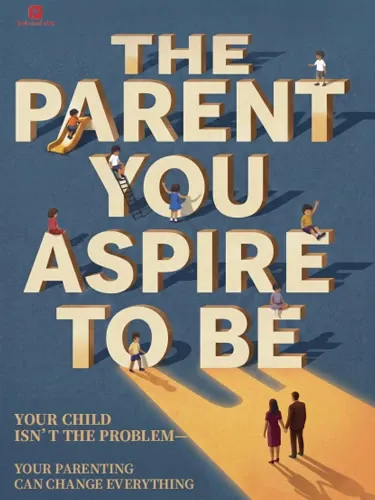
The Parent You Aspire to Be focuses on helping parents build a deeper and more meaningful relationship with their children.
The book encourages parents to look beyond surface-level behavior and understand the emotions behind their child’s actions.
A child’s frustration, anger, or resistance often communicates something deeper.
Instead of only asking:
“How do I stop this behavior?”
Parents can learn to ask:
“What is my child trying to tell me?”
The book helps parents:
- Respond with more awareness
- Build emotional trust
- Understand their child’s perspective
- Create a supportive family environment
For parents who want to raise emotionally secure children, this relationship-focused approach can be especially valuable.
The Whole-Brain Child by Daniel J. Siegel and Tina Payne Bryson
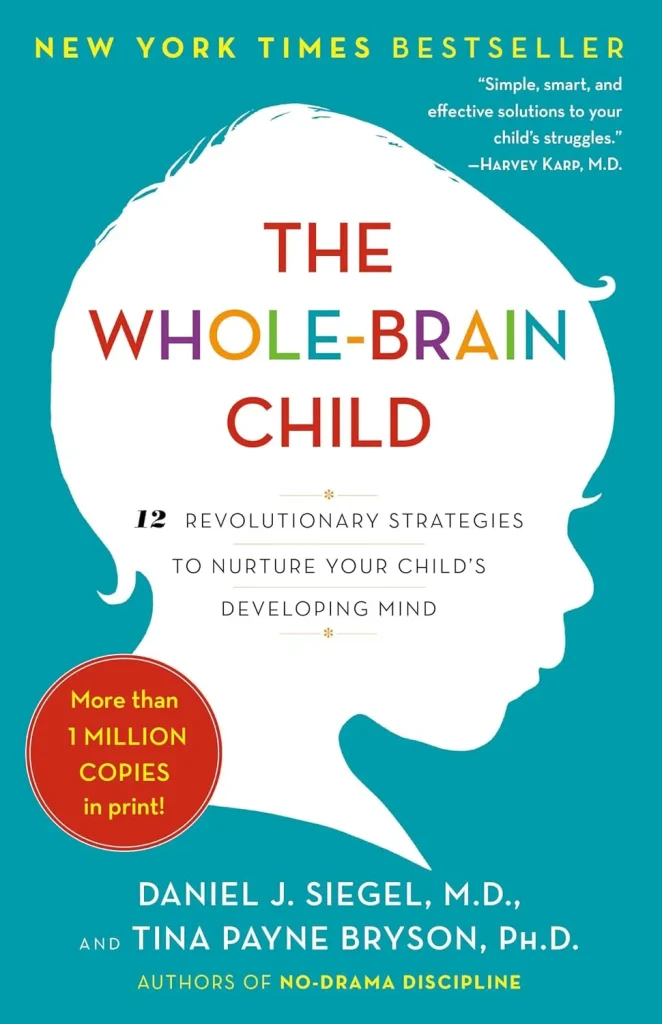
The Whole-Brain Child by Daniel J. Siegel and Tina Payne Bryson explains how children’s brains develop and how emotions influence behavior.
The book helps parents understand why children may struggle with:
- Emotional reactions
- Big feelings
- Stressful situations
- Impulse control
It provides practical strategies for helping children develop emotional awareness and resilience.
Rather than seeing emotional struggles as problems, the book shows parents how these moments can become opportunities for growth.
Raising Good Humans by Hunter Clarke-Fields
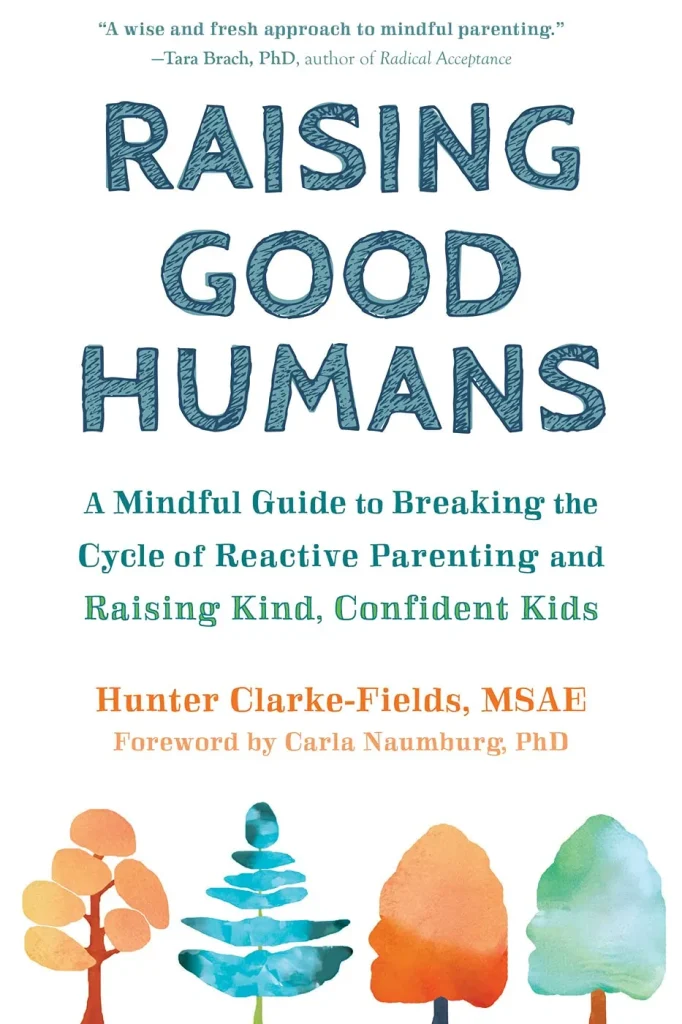
Raising Good Humans by Hunter Clarke-Fields focuses on mindful parenting and helping parents become more intentional in their interactions.
The book explores how parents can:
- Stay calm during challenging moments
- Reduce automatic reactions
- Create more peaceful family communication
- Model emotional awareness
Children learn emotional skills not only from what parents teach, but also from what parents demonstrate.
Why Emotional Intelligence Matters for Children
Emotional intelligence helps children understand:
- Their own feelings
- Other people’s emotions
- How to handle challenges
- How to build healthy relationships
These skills influence many areas of life, including friendships, confidence, and problem-solving.
How Parents Can Support Emotional Growth
Name Feelings Instead of Ignoring Them
Children often need help understanding what they feel.
Simple phrases like:
“I know you are disappointed.”
“You seem frustrated.”
can help children develop emotional awareness.
Teach Through Everyday Moments
Emotional learning does not only happen during serious conversations.
Daily interactions provide opportunities to practice:
- Patience
- Empathy
- Communication
- Problem-solving
Create a Safe Space for Emotions
Children need to know that all feelings are acceptable, even difficult ones.
Having emotions is normal.
Learning how to handle them is the skill.
Final Thoughts
Raising emotionally intelligent children is not about creating children who never feel upset.
It is about helping them understand emotions and develop healthy ways to express them.
Books like The Parent You Aspire to Be, The Whole-Brain Child, and Raising Good Humans can help parents build stronger connections and support their children’s emotional development.
The most powerful emotional lessons often begin with the relationship between parent and child.