Many people experience anxiety without fully understanding why it happens.
They may know they feel worried, stressed, or mentally exhausted, but they do not always understand the patterns behind those feelings.
Why do certain thoughts keep coming back?
Why does a small concern sometimes become a much bigger fear?
Why is it so difficult to stop analyzing situations?
Understanding anxiety is often the first step toward changing the way you respond to it.
Books about anxiety patterns can help readers explore the connection between thoughts, emotions, and behaviors while learning practical ways to develop healthier mental habits.
Here are some books that can help you better understand anxiety, worry, and overthinking patterns.
Most articles are read once and forgotten.
Some ideas are worth coming back to.
1. Break the Anxiety Circle by Miles Carter
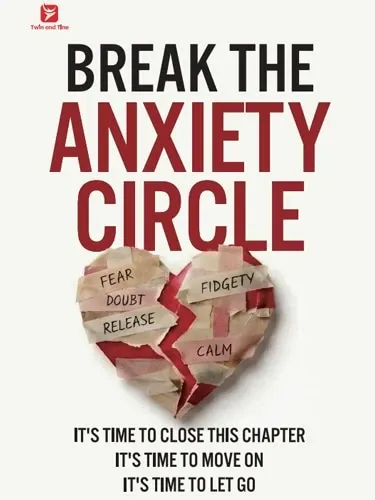
Best for understanding repeated anxiety patterns and overthinking cycles
Many people try to deal with anxiety by simply pushing negative thoughts away.
However, repeated worry often comes from deeper mental patterns.
Break the Anxiety Circle by Miles Carter focuses on helping readers understand why anxious thoughts repeat and how these cycles develop.
The book explores topics such as:
- How anxiety cycles begin
- Why certain worries feel impossible to stop
- How thoughts influence emotions
- How to create healthier responses to anxious thinking
Instead of treating anxiety as something that appears randomly, the book helps readers recognize the patterns behind their thoughts.
For anyone who feels trapped in overthinking or repeated worry, understanding the cycle can be an important step toward creating change.
2. The Anxiety and Phobia Workbook by Edmund J. Bourne
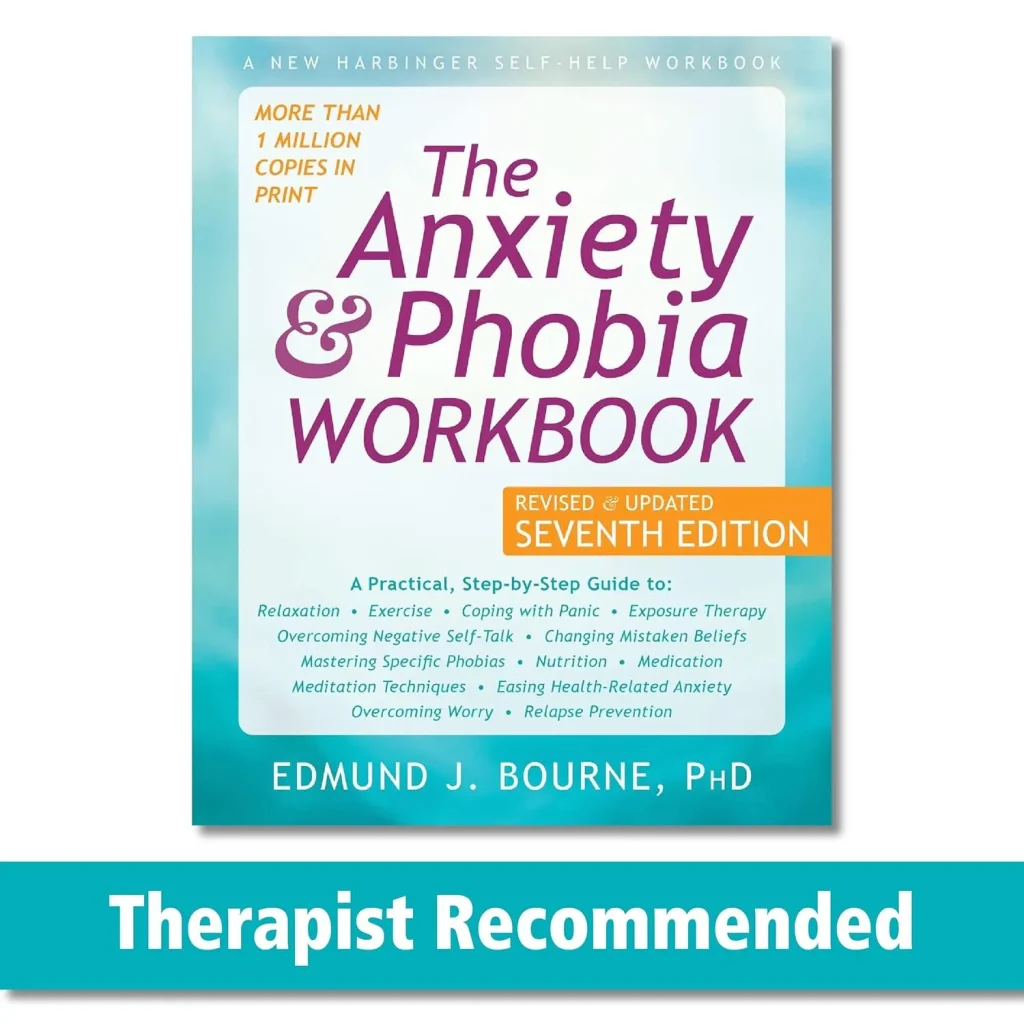
Best for practical anxiety management strategies
This book provides a structured approach for people who want practical tools for managing anxiety.
It covers areas such as:
- Understanding anxiety responses
- Relaxation techniques
- Cognitive strategies
- Building confidence in difficult situations
The workbook format makes it useful for readers who prefer exercises and step-by-step approaches.
3. The Happiness Trap by Russ Harris
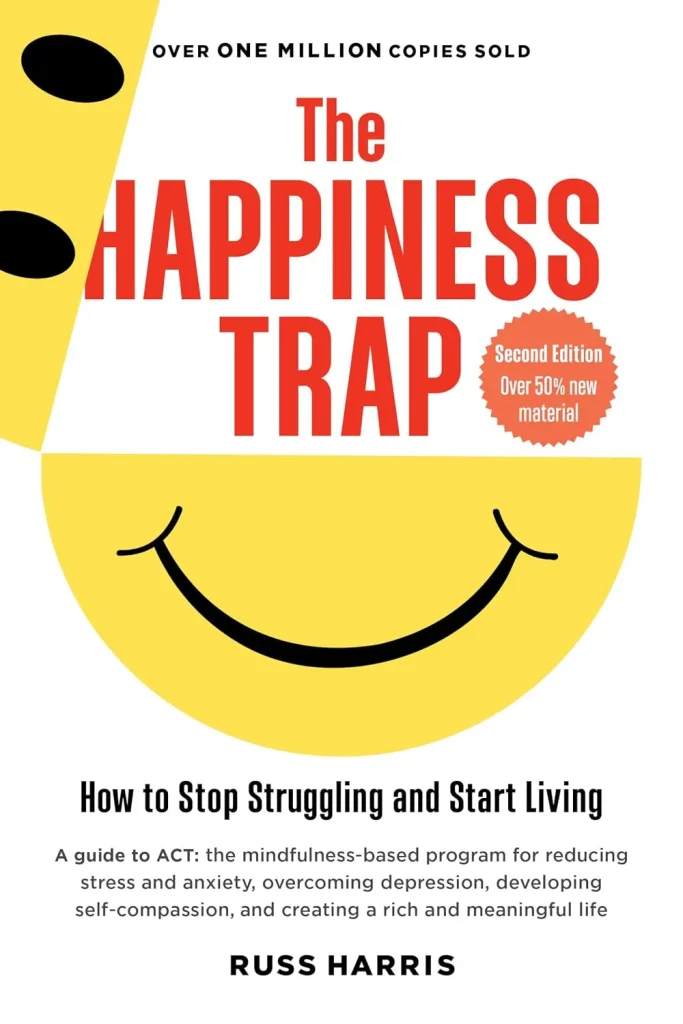
Best for changing your relationship with difficult thoughts
Many people believe they need to eliminate negative thoughts before they can feel better.
The Happiness Trap introduces ideas from Acceptance and Commitment Therapy (ACT), focusing on changing how people respond to thoughts and emotions.
The book explores:
- Accepting uncomfortable feelings
- Creating psychological flexibility
- Living according to personal values
It offers a different perspective on handling difficult emotions.
Why Understanding Anxiety Patterns Matters
Anxiety is not only about feeling worried.
It is often connected to repeated patterns involving:
- How you interpret situations
- How you respond to uncertainty
- How you talk to yourself
- How you handle emotional discomfort
Without understanding these patterns, people may continue repeating the same reactions.
Awareness creates the opportunity for change.
How Books Can Help You Understand Your Mind Better
Reading about anxiety patterns can help you:
- Recognize unhealthy thinking habits
- Understand emotional triggers
- Learn different coping approaches
- Develop greater self-awareness
Books cannot replace professional support when needed, but they can provide valuable knowledge and reflection.
Choosing the Right Book for Your Situation
Different books focus on different needs.
If you want to understand why anxiety cycles happen,
Break the Anxiety Circle by Miles Carter may be a helpful starting point.
If you prefer structured exercises,
The Anxiety and Phobia Workbook provides practical activities.
If you want to explore a different relationship with thoughts and emotions,
The Happiness Trap offers useful insights.
The best choice depends on what you hope to understand and improve.
Final Thoughts
Understanding anxiety begins with understanding your own thought patterns.
When you recognize why certain worries repeat and how your mind responds to uncertainty, you gain more awareness and control.
The right book can provide new perspectives and practical guidance for personal growth.
For readers who want to explore anxiety cycles, overthinking habits, and emotional patterns, Break the Anxiety Circle by Miles Carter offers valuable insights into understanding the mind and developing healthier ways of responding to worry.