Every relationship depends on communication.
But good communication is not always easy.
Many conflicts do not happen because people do not care about each other.
They happen because people struggle to express what they truly feel.
A conversation can quickly turn into an argument.
A simple request can sound like criticism.
A person may want to say:
“I need more support.”
But instead, they say:
“You never understand me.”
Over time, these communication patterns can create distance between people who actually want to feel closer.
Learning how to communicate better is not about finding perfect words.
It is about understanding emotions, expressing needs clearly, and creating conversations where both people feel respected.
The right books can help you develop stronger communication skills and build healthier relationships.
Here are three books that offer different approaches to improving communication.
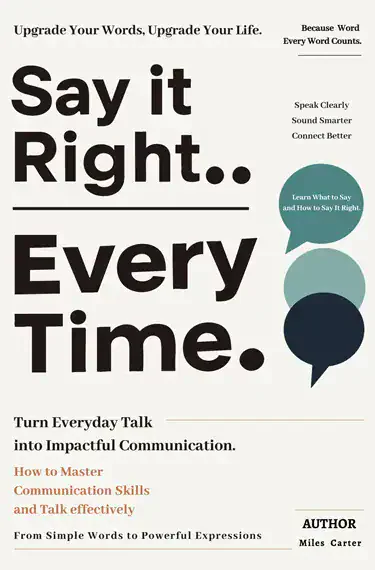
1. Say It Right Every Time
Best for: Expressing yourself clearly and avoiding misunderstandings
Many communication problems start with a gap between what we feel and what we say.
You may know something is bothering you, but struggle to explain why.
You may want to express your needs, but worry about creating conflict.
Say It Right Every Time focuses on helping readers communicate thoughts and feelings with more clarity and intention.
The book explores how to:
- Express emotions in a healthier way
- Choose words that create understanding
- Communicate needs without unnecessary conflict
- Improve everyday conversations
One of the biggest challenges in relationships is that people often wait until emotions become overwhelming before speaking.
By learning better communication habits, it becomes easier to have honest conversations before frustration builds.
This book is especially helpful for people who:
- Avoid difficult conversations
- Feel misunderstood by others
- Struggle to express their feelings
- Want deeper and healthier relationships
Better communication does not mean saying more.
It means helping others understand what is truly happening inside.
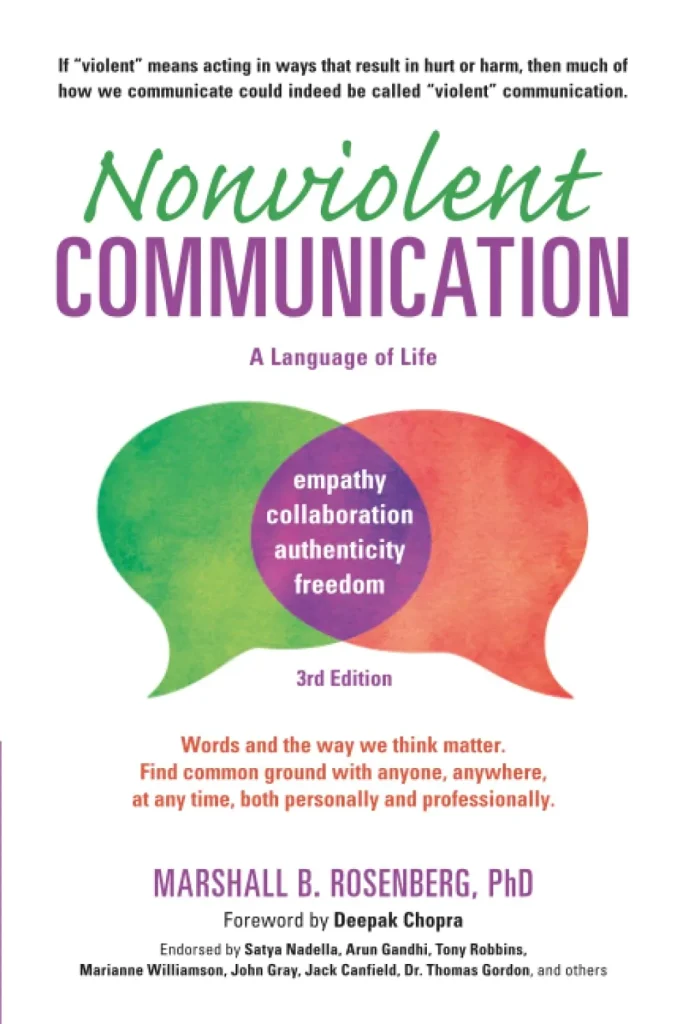
2. Nonviolent Communication
Best for: Expressing needs without creating conflict
Many relationship problems come from the way people communicate during emotional moments.
A person feels hurt.
They become defensive.
The other person feels attacked.
The conversation becomes about winning instead of understanding.
Nonviolent Communication by Marshall Rosenberg introduces a framework based on empathy and honest expression.
The book focuses on four important elements:
- Observing situations without judgment
- Identifying feelings
- Understanding needs
- Making clear requests
Instead of blaming others, this approach encourages people to explain what they experience and what they need.
This can be especially useful for couples, family members, and anyone who wants to handle disagreements more constructively.
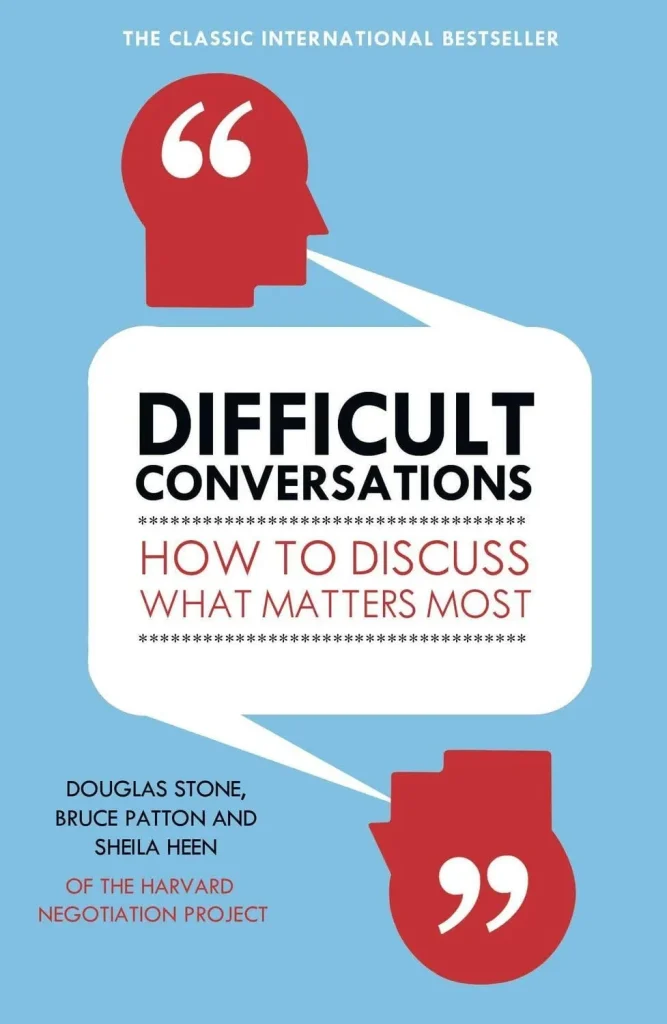
3. Difficult Conversations
Best for: Handling sensitive discussions with more confidence
Some conversations are difficult because they involve emotions, expectations, and misunderstandings.
People may avoid important topics because they fear:
- Starting an argument
- Hurting someone’s feelings
- Making the relationship worse
Difficult Conversations by Douglas Stone, Bruce Patton, and Sheila Heen explores how to approach challenging discussions more effectively.
The book helps readers understand:
- Why difficult conversations become emotional
- How assumptions affect communication
- How to listen without becoming defensive
- How to express concerns more productively
Instead of avoiding uncomfortable conversations, readers learn how to approach them with more awareness.
This skill can improve communication in romantic relationships, friendships, and professional settings.
Which Communication Book Should You Read First?
Each book focuses on a different communication challenge.
Choose Say It Right Every Time if you want to:
→ Express your thoughts and feelings more clearly
→ Improve everyday communication
→ Create more meaningful conversations
Choose Nonviolent Communication if you want to:
→ Reduce blame and defensiveness
→ Express your needs with empathy
→ Handle disagreements more peacefully
Choose Difficult Conversations if you want to:
→ Have challenging discussions with confidence
→ Navigate sensitive topics
→ Improve conflict resolution skills
There is no relationship without misunderstandings.
The difference between healthy and unhealthy relationships is often how people handle those moments.
Final Thoughts
Strong relationships are not built because two people always agree.
They are built because two people learn how to understand each other.
Good communication requires practice:
Listening before reacting.
Expressing instead of assuming.
Understanding instead of judging.
The right communication book can provide useful tools, but real change happens when those tools are applied in everyday conversations.
Learning to communicate better is not only about improving relationships with others.
It is also about creating a clearer understanding of yourself.