Some people know exactly what they want to say.
Others have thoughts, feelings, and ideas inside their minds but struggle to turn them into words.
Maybe you avoid difficult conversations because you are afraid of saying the wrong thing.
Maybe people often misunderstand your intentions.
Maybe you leave conversations thinking:
“I wish I had explained myself better.”
Struggling to express yourself does not mean you are a poor communicator.
Often, it means you need better tools for understanding your thoughts, emotions, and communication patterns.
The right books can help you learn how to organize your thoughts, express yourself with confidence, and create deeper connections with others.
Here are three books that explore different approaches to becoming a clearer communicator.
Say It Right Every Time
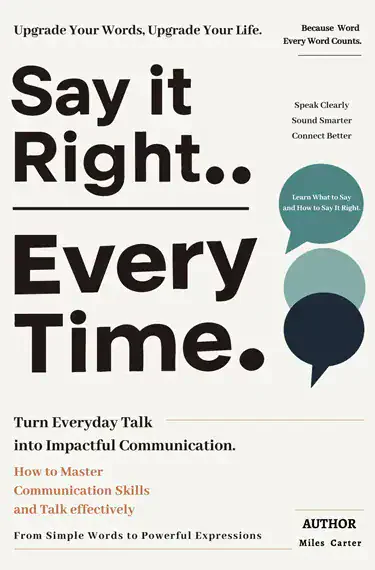
Best for: Learning how to express thoughts and feelings more clearly
Many communication problems are not caused by a lack of ideas.
They happen because those ideas are difficult to express.
Say It Right Every Time focuses on helping readers communicate with more clarity and intention.
The book explores how the words we choose can influence how others understand us.
It helps readers improve areas such as:
- Expressing thoughts more clearly
- Choosing the right words for different situations
- Avoiding unnecessary misunderstandings
- Communicating with more confidence
For people who often feel:
“I know what I mean, but I don’t know how to say it.”
this book provides practical guidance for turning thoughts into meaningful conversations.
Nonviolent Communication
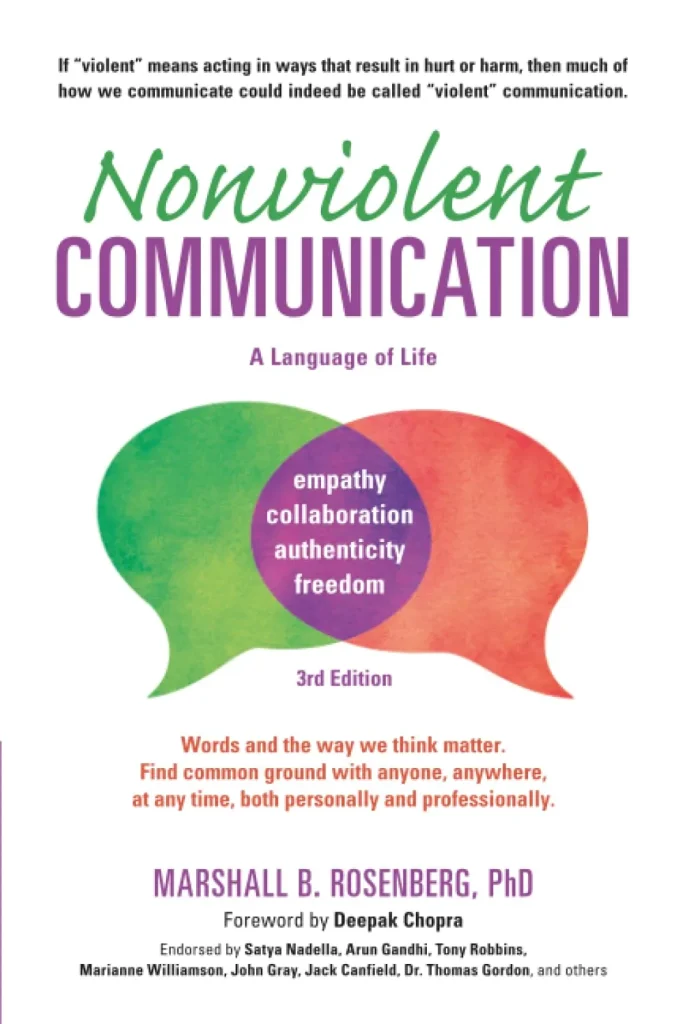
Best for: Expressing emotions and needs in healthier ways
Many people struggle to express themselves because emotions make conversations difficult.
They may hide their feelings.
Avoid conflict.
Or express frustration in ways they later regret.
Nonviolent Communication introduces a framework for expressing feelings and needs while maintaining respect and empathy.
The book focuses on:
- Identifying emotions
- Communicating personal needs
- Listening with understanding
- Reducing emotional conflict
For people who want to have more honest and peaceful conversations, this approach offers valuable insight.
Difficult Conversations
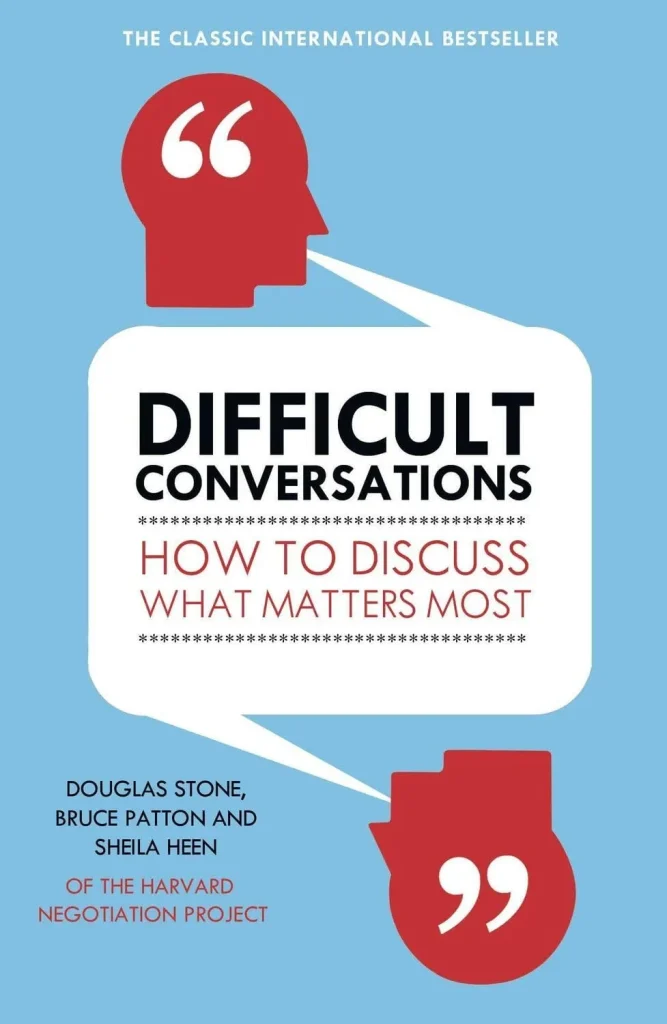
Best for: Saying what needs to be said during challenging moments
Some conversations are difficult because they involve emotions, disagreements, or important decisions.
Whether it is a relationship issue, workplace conflict, or personal boundary, knowing how to communicate during uncomfortable moments is an important skill.
Difficult Conversations explores how to approach sensitive discussions more effectively.
The book helps readers understand:
- Why certain conversations feel challenging
- How emotions influence communication
- How to express different opinions respectfully
- How to move through conflict productively
Which Communication Book Should You Choose?
Choose Say It Right Every Time if you want to:
→ Express your thoughts more clearly
→ Feel more confident in conversations
→ Reduce misunderstandings with others
Choose Nonviolent Communication if you want:
→ Better emotional expression
→ Healthier conversations
→ More empathy in relationships
Choose Difficult Conversations if you want:
→ Handle uncomfortable discussions better
→ Communicate during conflict
→ Express yourself in challenging situations
Final Thoughts
Learning to express yourself is not only about finding better words.
It is about understanding what you want to communicate and creating a connection with others.
Many people struggle with communication because they were never taught how to express thoughts, feelings, and needs clearly.
The right books can help you build this skill step by step.
For anyone who wants to become a clearer and more confident communicator, Say It Right Every Time offers practical guidance on expressing yourself and creating more meaningful conversations.