The Decision You Keep Reopening
Last Tuesday, a woman named Rachel sent an email to her manager about a project she had been working on for two weeks. The message was clear, polite, and nothing about it was unusual. Ten minutes later, she reread it and started wondering whether the second paragraph sounded defensive. By lunchtime, she had checked the sent email four times and was already imagining how her manager might have interpreted it.
The email was not really the problem. Rachel simply did not trust her first judgment. The same thing happened when she chose what to say in meetings, made personal decisions, or tried something unfamiliar. She could usually come up with a reasonable answer, but then another voice in her head would ask whether she had missed something.
Self-doubt often works this way. It does not always look like a dramatic lack of confidence. Sometimes it is the constant need to check, rethink, compare, and ask for reassurance after you have already made a perfectly reasonable decision.

When Thinking Becomes a Way of Avoiding Trust
Self-doubt can be useful when it encourages reflection, but it becomes draining when every decision has to survive another round of questioning. You may ask friends what they would do, search for more information, replay conversations, or compare your choice with someone else’s.
That behavior can create temporary relief, but it also teaches your brain that your own judgment cannot be trusted without outside confirmation. The more often you seek another opinion, the harder it can become to make a choice and simply live with it.
A useful book on self-doubt should therefore do more than tell you to believe in yourself. It should help explain what keeps the doubt alive in the first place.
1. Break the Anxiety Circle by Miles Carter
Break the Anxiety Circle is especially relevant for readers whose self-doubt is closely tied to overthinking and anxiety. The book looks at the way one uncertain thought can turn into a much larger mental cycle: you question a decision, imagine what could go wrong, look for reassurance, feel temporary relief, and then start questioning yourself again.
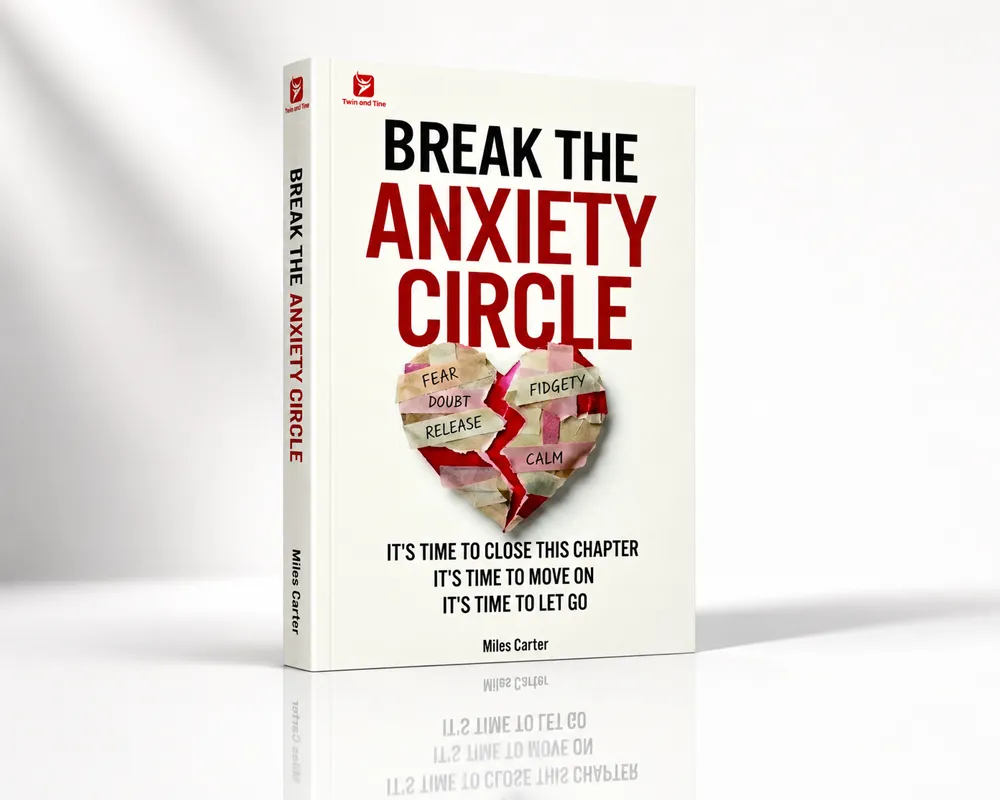
That cycle can show up in surprisingly ordinary situations. A conversation gets replayed because you are worried you sounded foolish. A mistake becomes evidence that you are not capable. Someone does not respond the way you expected, and suddenly you are wondering whether you did something wrong.
The book connects self-doubt with several patterns that often reinforce each other:
- Overthinking: Rechecking decisions long after you have enough information to act.
- People pleasing: Adjusting your choices because you are afraid other people will disapprove.
- Self-worth: Treating a mistake or setback as evidence about your value as a person.
- Regret: Revisiting the past in search of a version of the decision that would have worked out better.
- Emotional patterns: Recognizing why certain situations trigger such strong reactions.
One of the more useful parts of the book is its focus on the cycle rather than the individual thought. Instead of asking, “How do I stop doubting this one decision?” you begin to notice the larger habit of repeatedly looking for certainty before allowing yourself to move forward.
That perspective can be particularly helpful for people who already know that they are overthinking but have not figured out why the same doubts keep returning. Break the Anxiety Circle gives them a way to work with the pattern rather than fighting each new thought separately.

Break the Anxiety Circle
Miles CarterA mental reset for people trapped in the overthinking loop. Understand why your mind won’t stop racing — and how to break free from anxiety, people-pleasing, and emotional exhaustion.
2. The Confidence Gap by Russ Harris
The Confidence Gap takes a different approach by questioning the idea that confidence needs to come before action. For people who keep waiting until they feel completely ready, certain, or comfortable, that can be an important distinction.
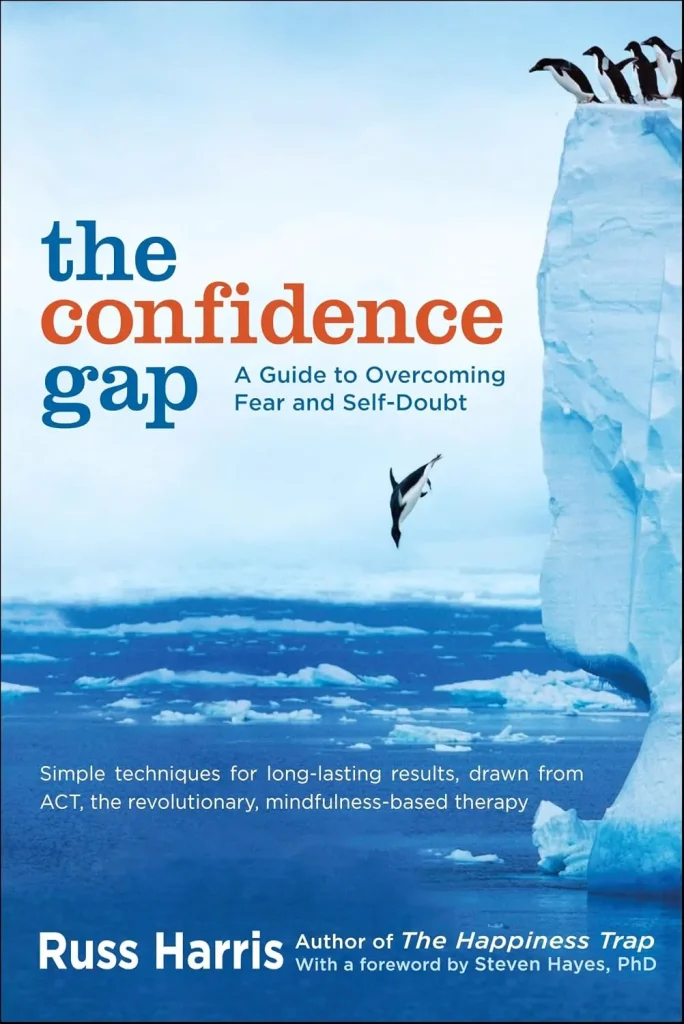
The book focuses on moving forward even when uncomfortable thoughts and self-doubt are still present. Instead of making confidence the requirement for action, it encourages readers to develop the ability to act according to their values while uncertainty is still there.
That can be particularly useful if self-doubt has started affecting everyday choices, from speaking up to trying something new.
3. The Gifts of Imperfection by Brené Brown
The Gifts of Imperfection approaches self-doubt through the ideas of self-acceptance, shame, and the pressure to appear perfect. It is a useful choice for readers whose inner criticism becomes especially strong when they feel they are falling short of their own expectations.
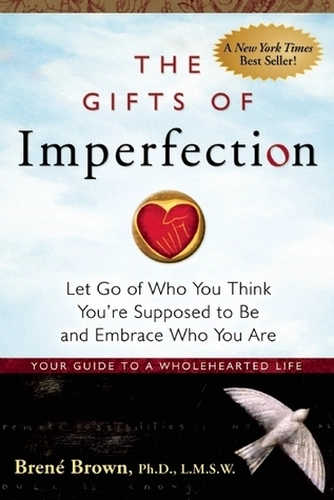
The book encourages a different relationship with imperfection. Rather than treating flaws and mistakes as evidence that something is wrong with you, it explores how accepting your imperfect self can create more room for authenticity and growth.
This perspective can be especially relevant for people whose self-doubt is closely linked to perfectionism.
You Do Not Need to Trust Every Thought You Have
Self-doubt becomes much easier to manage when you stop treating every doubtful thought as a warning that requires investigation. Some thoughts deserve attention; others are simply familiar reactions that appear because you are uncertain.
The goal is not to become someone who never questions a decision. It is to become someone who can question a decision once, make a reasonable judgment, and continue without reopening the case ten more times.
For readers searching for the best books to stop self doubt, these three books offer different ways into the problem. Break the Anxiety Circle is particularly useful when self-doubt is tangled up with overthinking, anxiety, approval-seeking, and repetitive mental loops; The Confidence Gap focuses on taking action despite uncertainty; and The Gifts of Imperfection explores the pressure to be flawless and the self-criticism that can come with it.
If you found this helpful, these books go deeper into the same themes.



Break the Anxiety Circle
$19.90

From Debt to Wealth
$19.90

