I was twenty-two when I got my first real paycheck. It felt like more money than I had ever seen. A week later, it was gone. I had no idea where it went. I bought things I did not need. I ate out constantly. I told myself I would save next month. Next month came, and I did the same thing.
It took me years to figure out what I was doing wrong. Not because I was bad with money. Because no one had ever taught me how to think about it. I read a lot of books trying to fix this. Some made me feel worse. They assumed I already had money and just needed to manage it better. I did not have money to manage. I had confusion and a vague sense of anxiety.
These three books are the ones that actually helped. They are written for people who are figuring things out from the beginning, not for people who already have a 401(k).
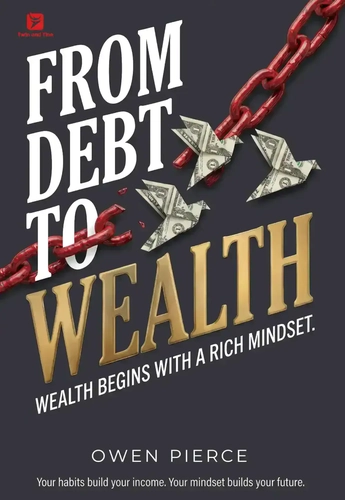
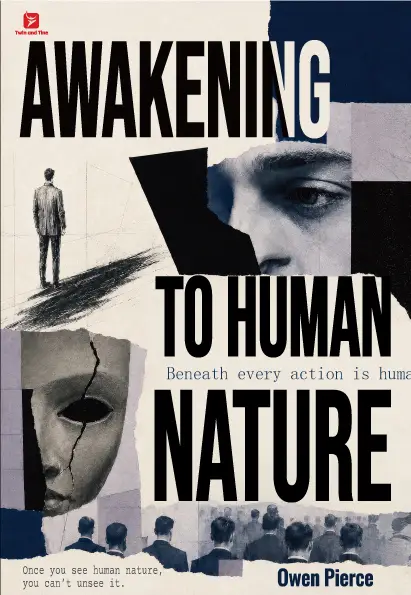
From Debt to Wealth by Owen Pierce
I spent years thinking I just lacked willpower. I would set a budget, stick to it for a week, then blow it. I would tell myself I would start saving next month, then next month would come and I would fail again. I thought the problem was me.
Owen Pierce’s book was the first one that told me something different. The problem was not my willpower. It was the rules I was playing by. I had been trying to manage money like someone who already had it, not someone who was still figuring out the basics.
This book was a complete reset. Not a budget. Not a spreadsheet. A rewrite of how I thought about money at a basic level. I learned why my income went up but my expenses kept growing to match it. I learned why I bought things I did not need to feel better about things I could not fix. I learned what a baseline actually is, and how to stop the bleed before worrying about anything else.
What I appreciated most is that the book does not assume you have savings. It assumes you are stuck. If you have credit card debt, if you are living paycheck to paycheck, if you avoid looking at your bank account because it makes you feel sick—this book starts there. It does not tell you to save 20% of your income. It tells you how to stop the cycle first. Then you can worry about everything else.
If you are tired of wondering where your money went and you need a real path out, this book delivers exactly that.
From Debt to Wealth
Owen PierceA money framework for people stuck in the paycheck-to-paycheck cycle. Understand why your income never feels like enough — and how to break out.
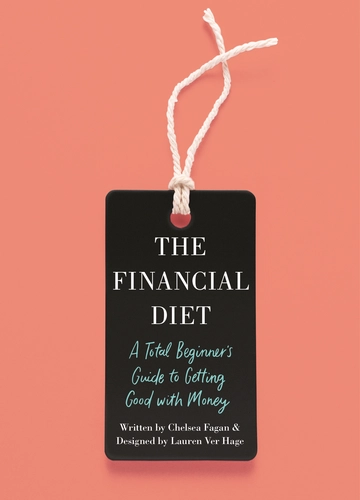
The Financial Diet by Chelsea Fagan
After reading Pierce, I still had a different problem: I did not know what I was supposed to be doing with money once I had any. I had never been taught what a budget actually was. I did not understand credit cards. I had no idea how to figure out what I could afford to spend on rent.
Chelsea Fagan’s book showed up at exactly the right time. It is not a traditional finance book. It reads more like a conversation with an older friend who has been where you are and wants to save you some of the headaches.
The book covers everything that happens when you start managing your own money for the first time. How to actually budget without feeling trapped. How to handle credit cards without getting into trouble. How to figure out what you can afford to spend on rent. How to talk about money with friends and partners. It even covers the small things that no other finance book thinks to mention, like what to cook when you are broke and how to navigate splitting bills without it being awkward.
What I liked most is that Fagan never lectures. She does not tell you to just stop buying coffee. She assumes you have reasons for spending the way you do, and she works with you to figure out a better approach. It is warm, practical, and deeply honest about how hard this stuff actually is.
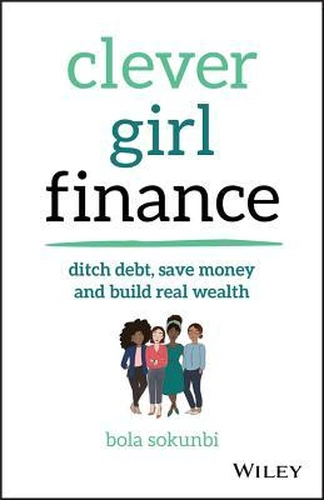
Clever Girl Finance by Bola Sokunbi
A lot of personal finance content is written by men for men. The examples, the tone, the framing. It is not exclusionary on purpose. It just assumes a default reader who is not me.
Bola Sokunbi’s book was the first one that felt like it was written with me in mind. She writes from her own experience: she was drowning in debt, working multiple jobs, and feeling like she would never get ahead. She built her way out step by step, and the book walks you through exactly how she did it.
The book covers the foundations. Budgeting, saving, paying down debt, building credit, getting started with investing. But the tone is what sets it apart. Sokunbi is encouraging without being cheesy. She believes you can do this, and she makes you believe it too. She does not shame you for past mistakes. She assumes you are doing your best and shows you how to do a little better.
There is a whole section on investing that made me feel like I could actually do it. Not because she made it sound simple, but because she acknowledged that it was scary and walked me through it anyway. She also covers the parts of personal finance that are not about numbers: how to advocate for yourself at work, how to set boundaries around money, how to stop comparing your financial situation to everyone else’s on social media.
I do not know if I would have stuck with any of this without her book. It made the whole process feel possible.
These three books met me at different stages. Pierce met me when I was stuck and confused, when I needed someone to tell me the problem was not me. Fagan met me when I needed practical advice for the daily realities of being young and not wealthy. Sokunbi met me when I needed someone who looked like me and talked like me to say: you can do this.
If you already know you have a problem and want a concrete path out, Pierce’s book is the most focused on exactly that path. If you are still figuring out the most basic financial concepts, Fagan’s book walks through budgeting, credit cards, and rent in a gentle way. If you need encouragement and a clear roadmap, Sokunbi’s book will make you feel like this is actually possible.
Pick the one that fits where you are right now. All three will help you move forward, but the first step should land where you need it most.