2026 is different.
The logic of inflation has shifted. The definition of work has changed. The way money moves has transformed. The strategies that worked in 2016—save more, dollar-cost average, wait for the market to recover—are no longer enough.
If you are handling your 2026 money with a 2016 mindset, you are not managing your finances. You are waiting for a change that is not coming.
These five books are the most worth reading in 2026. Not classic re-reads. Books you actually need right now.
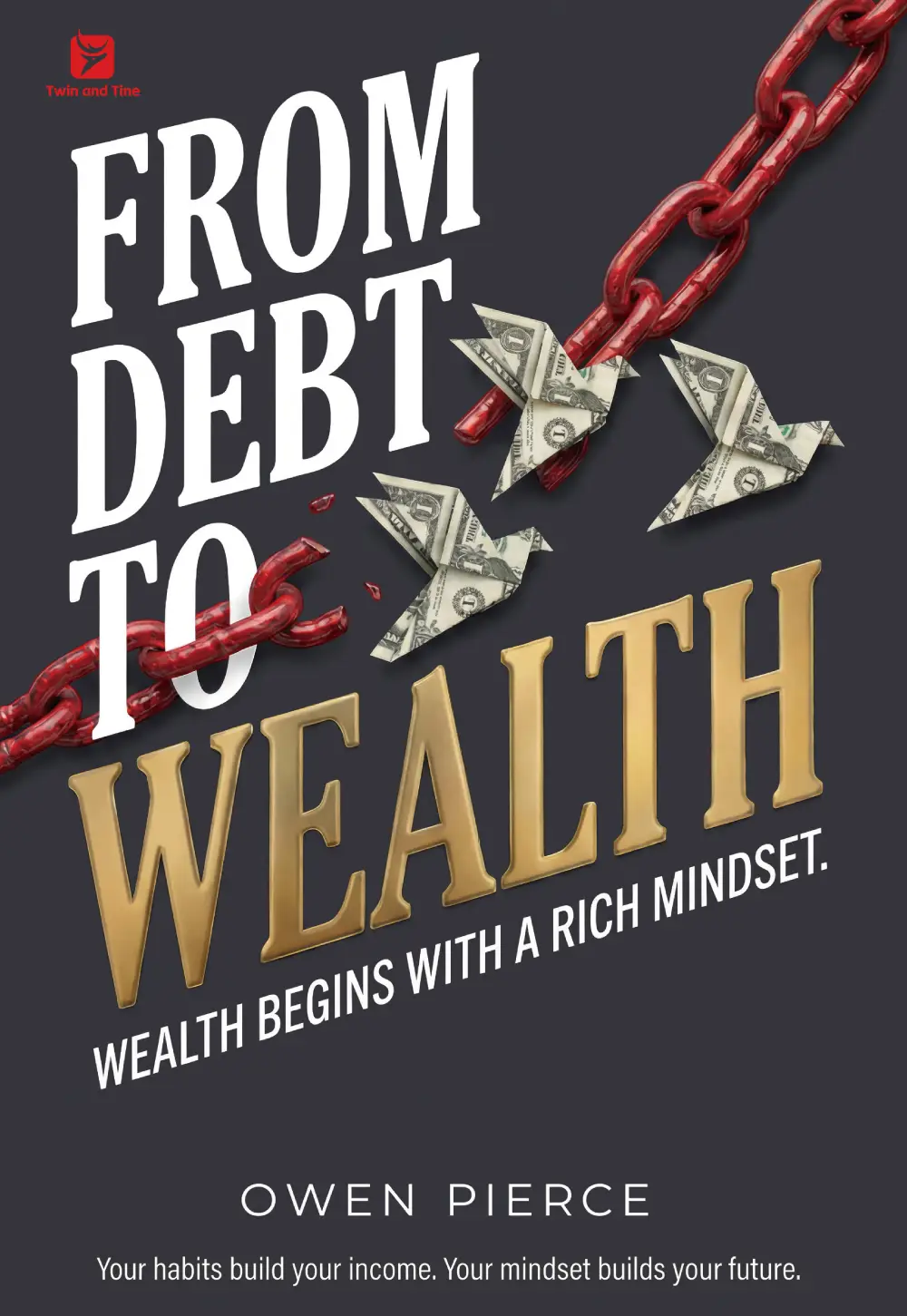
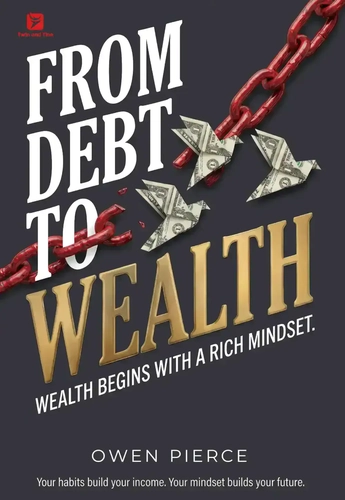
1. From Debt to Wealth by Owen Pierce
Your financial problem is not a lack of money—it is a lack of the right framework.
Most people believe wealth is a reward for hard work. Work more hours. Earn a bigger paycheck. Buy things that signal success. And end up deeper in debt.
Pierce turns this inside out: wealth is not compensation for effort. It is compensation for cognition. It does not come from working more hours, but from making money work for you. It grows when you invest in yourself, leverage resources, embrace discomfort, and stay patient.
The book explains why a salary is a starting point, not a destination. Why luxury is often a liability, not an asset. Why the poor seek comfort while the wealthy embrace discomfort. Why the fastest path to financial freedom is not a bigger paycheck—it is a better system.
Why read this book in 2026: Most people’s financial anxiety in 2026 is not about money. It is about a framework that no longer fits. This book gives you a new one.
Best for: Anyone who earns more but never feels richer.
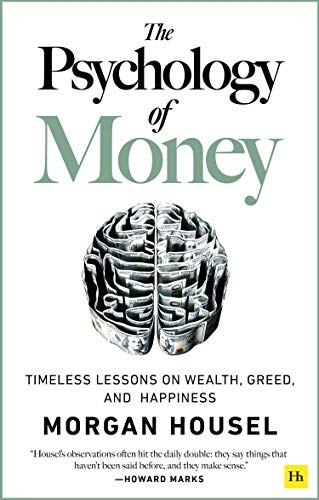
2. The Psychology of Money by Morgan Housel
You know what to do. Why can’t you do it?
You already know enough about personal finance: save more, invest consistently, spend less. The problem is not knowing. The problem is doing.
This book is not about what to do. It explains why you cannot do it. Why you compare yourself to others. Why you take risks you should not. Why saving feels impossible. Why you think short-term when money rewards long-term thinking.
The single most useful insight: wealth is not built on big moves. It is built on small, consistent choices made over long periods of time.
Why read this book in 2026: What 2026 demands most is not getting carried away by emotions. This book gives you the behavioral framework to stay on track.
Best for: Anyone who knows what to do but cannot seem to actually do it.
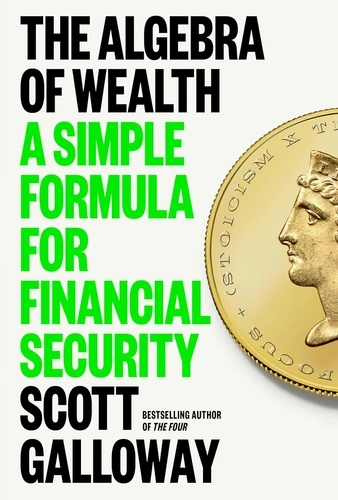
3. The Algebra of Wealth by Scott Galloway
What is the math behind building wealth in a chaotic world?
Galloway is a professor and entrepreneur who writes about the economy with unusual clarity. This book is about the math behind wealth—not complex formulas, but simple principles: earn more than you spend, invest the difference, and do it consistently.
He explains why most people struggle with money: they spend too much, save too little, and invest poorly. His argument is that the solution is not complicated—it is just uncomfortable.
Why read this book in 2026: Galloway does not look at market trends. He looks at structure. If you are confused about where the economy is heading, this book gives you clarity.
Best for: Anyone who wants a clear framework rather than scattered advice.
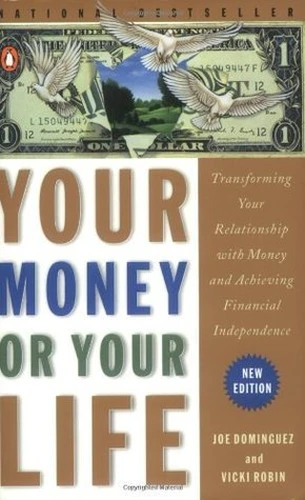
4. Your Money or Your Life by Vicki Robin and Joe Dominguez
What is money actually for?
This book asks a question most finance books ignore. The answer is direct: money is your life energy. Every dollar you spend is a piece of your time, your effort, your life.
Once you start seeing money this way, everything changes. You stop spending on things that do not matter. You start prioritizing what actually adds value to your life.
Why read this book in 2026: When work has changed, the meaning of money needs to be redefined. This is not just about spending less—it is about knowing what is worth spending on.
Best for: Anyone who is skeptical of the “earn more” path.
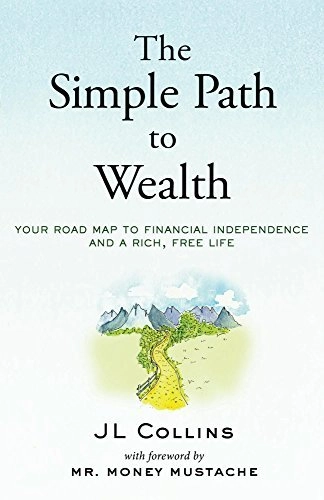
5. The Simple Path to Wealth by JL Collins
Investing advice so simple anyone can follow it.
Collins wrote this book for his daughter. He wanted her to understand how to build wealth without spending her life watching the stock market. His argument is straightforward: you do not need to be an expert. You need to understand a few things and do them consistently.
The focus is on low-cost index funds. He explains why most people fail at investing—they try to time the market, chase returns, and let emotions drive decisions. The solution is to automate the process and never look at your portfolio.
Why read this book in 2026: When markets are volatile, the simplest strategy is often the best strategy.
Best for: Anyone who wants simple, effective investing advice without spending their life studying charts.
These five books each answer the same question from a different angle: how to handle money in 2026. You do not need to read all of them. Pick the one that matches where you are stuck right now.
| Best for | |
|---|---|
| From Debt to Wealth | Anyone who earns more but never feels richer |
| The Psychology of Money | Anyone who knows what to do but cannot do it |
| The Algebra of Wealth | Anyone who wants a clear framework, not scattered advice |
| Your Money or Your Life | Anyone skeptical of the “earn more” path |
| The Simple Path to Wealth | Anyone who wants simple, effective investing advice |
Frequently Asked Questions
If I can only read one, which should it be?
If you feel like something is off but cannot name it, read From Debt to Wealth. It addresses the foundation—your thinking framework.
What is the most underrated thing about managing money in 2026?
Not strategy. Not returns. Your own behavior. Most people are undone by their own reactions, not by the market.
Will these books teach me how to get rich quickly?
No. Quick money is not the point—it does not last. If you want to solve the root problem—feeling in control of your money—there are no shortcuts.