Finding a Journal That Fits Your Emotional Needs
After a difficult conversation, you might replay everything you said and wonder whether you should have responded differently. A disappointing experience can stay on your mind for days, while a seemingly minor comment may bring up feelings you thought you had already moved past. Sometimes, the hardest part is not knowing exactly why something affected you so deeply.
Guided journaling offers a way to slow down and explore these experiences. Some books focus on gratitude and noticing positive moments, while others use personal questions, creative prompts, or structured exercises to help you understand your thoughts. The best choice depends on what you want to work through and how much guidance you prefer.
The following five journals offer different approaches to reflection. Some are designed to make journaling a simple daily habit, while others encourage more personal exploration.
1. A Year of Zen: A 52-Week Guided Journal
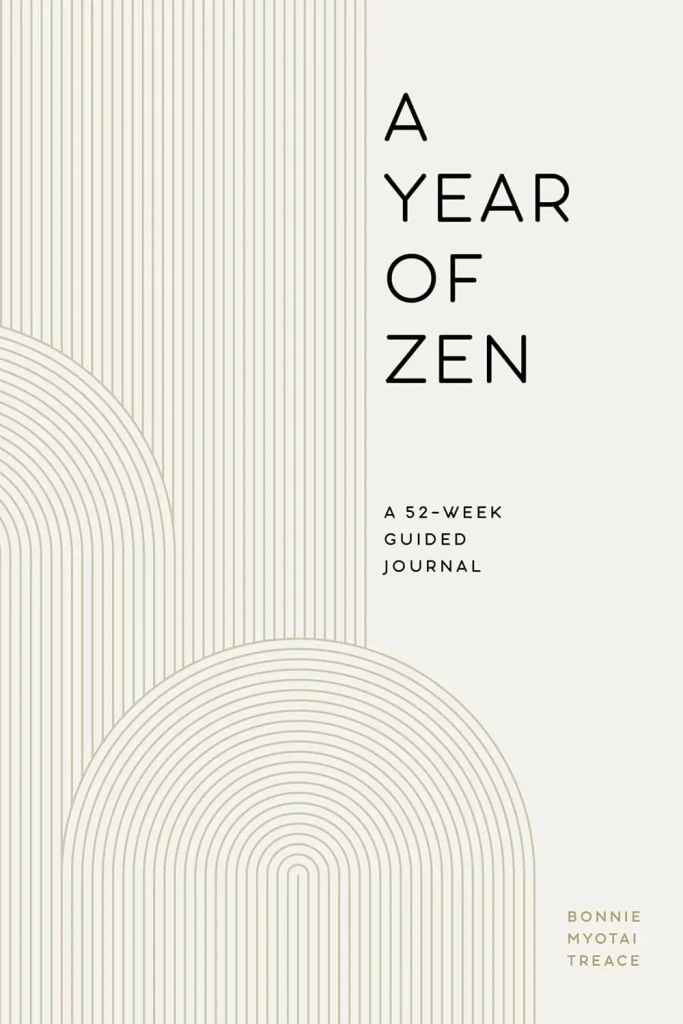
Best for beginners who prefer weekly reflection
This journal uses weekly prompts inspired by Zen principles to encourage mindfulness and thoughtful observation. Rather than requiring a lengthy entry every day, it gives readers a slower pace for considering their experiences and reactions.
It may suit someone who wants to build a journaling habit without turning it into another daily responsibility. The weekly format also leaves room to think about a prompt before writing a response.
Pros
- Weekly prompts offer a manageable starting point.
- The undated format allows flexibility.
- Encourages reflection without requiring long daily sessions.
Cons
- Readers who want to write extensively may find the available space limited.
- Its mindfulness-oriented approach may not address a specific emotional difficulty in depth.
2. 777 Little Moments in My Life: Heal Your Heart, Mend the Relationship and Elevate Your Thinking by Grace Willow

Best for reflecting on emotions, relationships, and personal experiences
Emotional healing can involve more than one difficult feeling. A past relationship, a decision you regret, an old insecurity, or a memory that keeps returning may all influence how you see yourself today.
777 Little Moments in My Life takes a broad approach to personal reflection. Its themes include emotional healing, relationships, self-acceptance, personal choices, and the lessons that can emerge from ordinary experiences. Instead of focusing on one emotional challenge alone, it invites readers to consider how different parts of their lives connect.
This broader scope may appeal to people who want to explore their feelings while also thinking about the experiences that shaped them. It is a reflective journal rather than a specialized therapeutic workbook, so it offers a different kind of experience from books built around a specific psychological method.
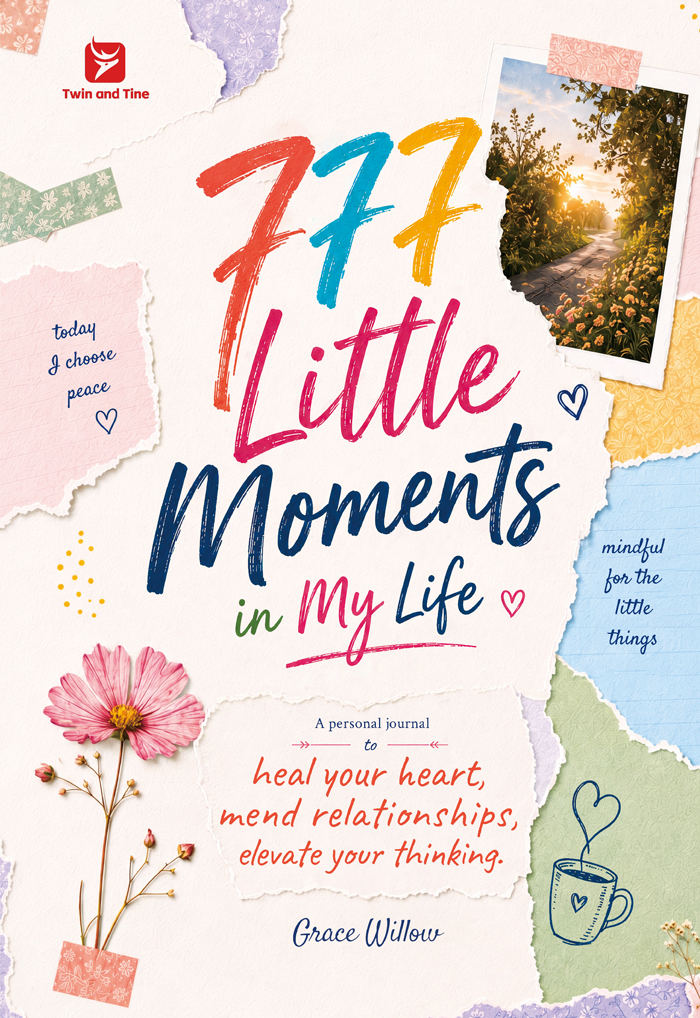
777 Little Moments in My Life
Grace Willow777 prompts to unpack old wounds, release buried emotions, and understand yourself more deeply.
Pros
- Covers emotional reflection, relationships, and personal growth.
- Provides a broad starting point for exploring different life experiences.
- May suit readers who want to reflect on more than one area of their lives.
Cons
- It is not a step-by-step program for treating a specific mental health concern.
- Readers who prefer short, narrowly focused daily exercises may want a more specialized journal.
3. The 5-Minute Gratitude Journal: Give Thanks, Practice Positivity, Find Joy
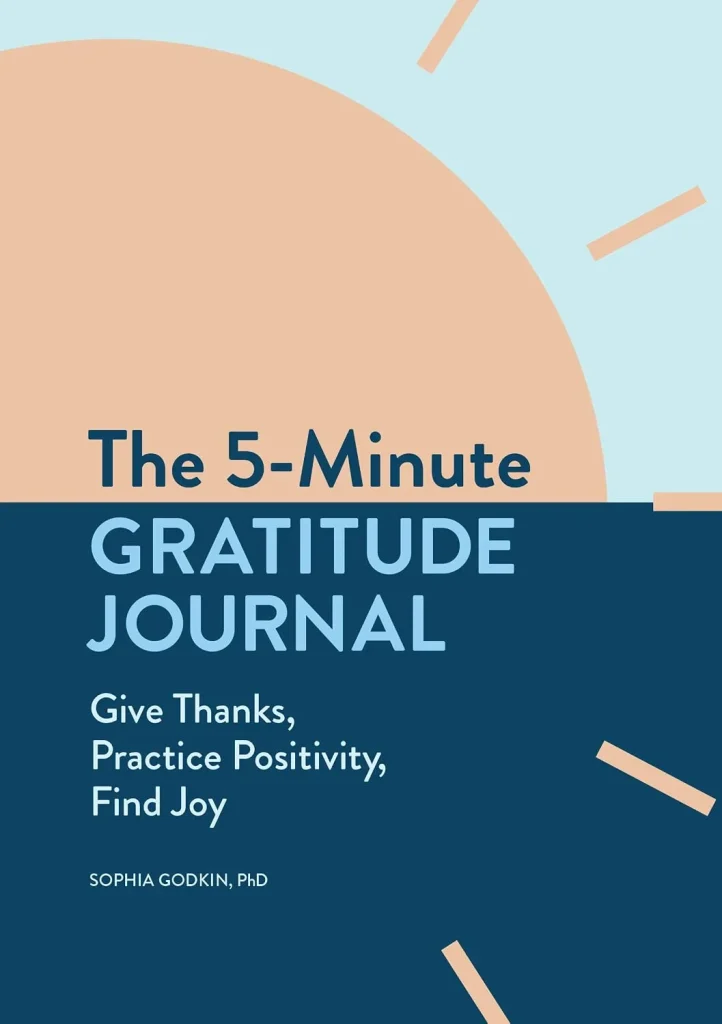
Best for noticing positive moments in everyday life
Gratitude journaling encourages readers to pay attention to things that might otherwise go unnoticed: a supportive conversation, a quiet morning, or a small accomplishment after a difficult day. This journal is designed for short entries, making it suitable for people who want to build a consistent practice without spending much time writing.
Its emphasis is on noticing positive experiences rather than exploring every difficult feeling. That distinction matters because gratitude journaling may complement emotional reflection, but it is not necessarily the best fit for someone who wants to examine complicated memories in depth.
Pros
- Requires only a few minutes for each entry.
- Encourages attention to positive everyday experiences.
- Offers a straightforward way to establish a journaling routine.
Cons
- Limited writing space may not suit longer reflections.
- Its gratitude focus may feel too narrow for readers processing difficult experiences.
4. Let That Sh*t Go by Monica Sweeney
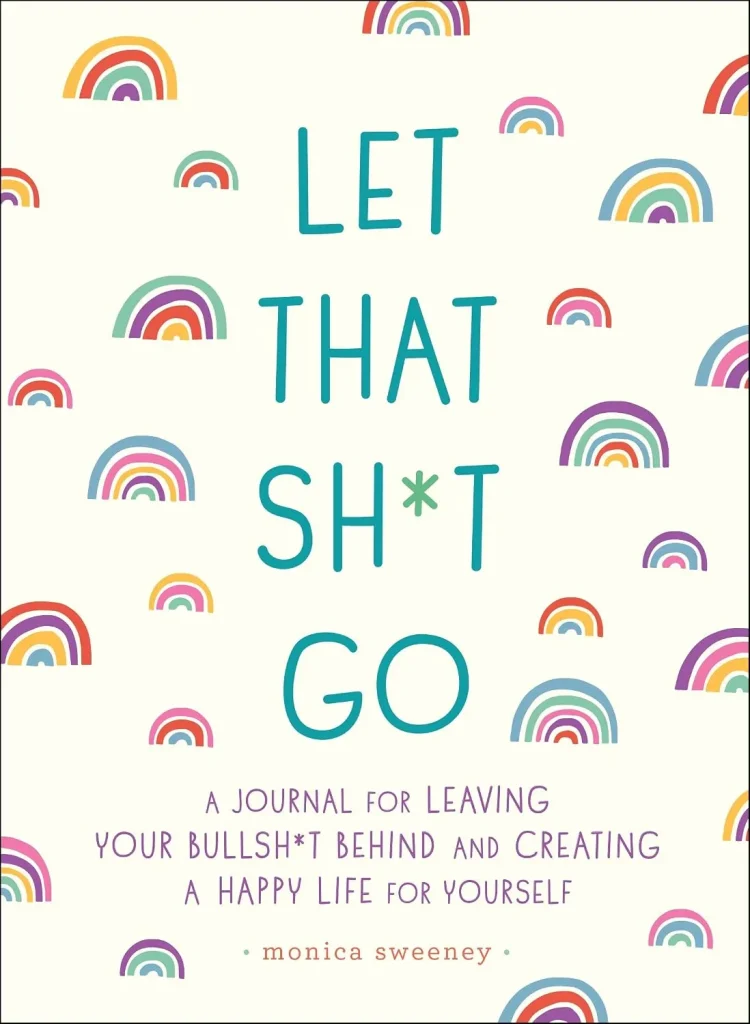
Best for readers who prefer humor and an informal tone
This journal uses humor, prompts, and motivational passages to encourage readers to examine thoughts and habits they want to move beyond. Its lighthearted style may feel more approachable than a formal workbook, especially for people who are new to journaling.
The tone is an important part of its appeal, but it is also a matter of preference. Readers who want a more serious or structured approach to emotional reflection may prefer another option.
Pros
- Uses humor to make journaling feel less formal.
- Encourages readers to examine recurring thoughts and habits.
- Offers a more playful alternative to traditional self-help writing.
Cons
- The casual tone may not suit everyone.
- It is not designed as a specialized resource for serious emotional distress.
5. Burn After Writing by Sharon Jones

Best for candid self-reflection
Burn After Writing uses personal questions to encourage readers to explore their memories, current lives, private thoughts, and future hopes. Its direct prompts can help people move beyond writing a simple record of the day and begin considering what their experiences mean to them.
The book’s candid style may appeal to readers who want to answer questions they would not normally discuss with other people. Some prompts can feel personal, so it is worth considering whether this direct approach fits your comfort level.
Pros
- Uses questions to help readers get started.
- Encourages reflection on the past, present, and future.
- Offers a compact, informal format.
Cons
- Some prompts may feel too personal or edgy.
- Readers who want a gentle, therapeutic style may prefer a different approach.
Comparing the Five Journals
| Journal | Best suited to | Main approach |
|---|---|---|
| A Year of Zen | Beginners | Weekly mindfulness prompts |
| 777 Little Moments in My Life | Broad emotional reflection | Memories, relationships, and personal growth |
| The 5-Minute Gratitude Journal | A short daily habit | Gratitude and positive experiences |
| Let That Sh*t Go | Informal reflection | Humor and personal prompts |
| Burn After Writing | Candid self-exploration | Direct questions about life and feelings |
How to Choose a Journal for Emotional Healing
Start by thinking about what you want from the writing process. If you need a simple daily habit, a gratitude journal may be enough. If you want to explore personal questions more directly, a journal with open-ended prompts may feel more useful. And if your feelings are connected to memories, relationships, and life decisions, a book with a wider reflective scope may offer more room to explore those connections.
For readers who want to look beyond one emotional concern, 777 Little Moments in My Life is worth considering because it brings together emotional healing, relationships, self-acceptance, and personal growth. Its focus on the lessons hidden in everyday experiences makes it a flexible option for people who want to understand themselves more deeply without following a narrowly defined program. As with any journal, the best results depend on choosing a format that feels comfortable and returning to it at your own pace.

