Why Childhood Experiences Can Follow Us Into Adulthood
An adult who finds it difficult to say no may have learned early on that keeping other people happy was the safest choice. Someone who takes criticism personally may have spent years feeling that mistakes made them less worthy of approval. These patterns do not always come from childhood, but earlier relationships and experiences can influence how people respond to conflict, rejection, and vulnerability later in life.

Inner-child journaling gives you a way to examine those connections. The aim is not to blame your younger self or assign every current difficulty to your upbringing. It is to understand what you learned, what you needed at the time, and whether those old beliefs still belong in your life today.
Not every journal approaches this process in the same way. Some offer exercises specifically designed around childhood experiences, while others provide a broader space for reflecting on memories, relationships, and personal growth. Here are five options with different strengths.
1. The Inner Child Journal: A 90 Day Guided Journal to Heal and Reparent Your Inner Child by Rachel Havekost
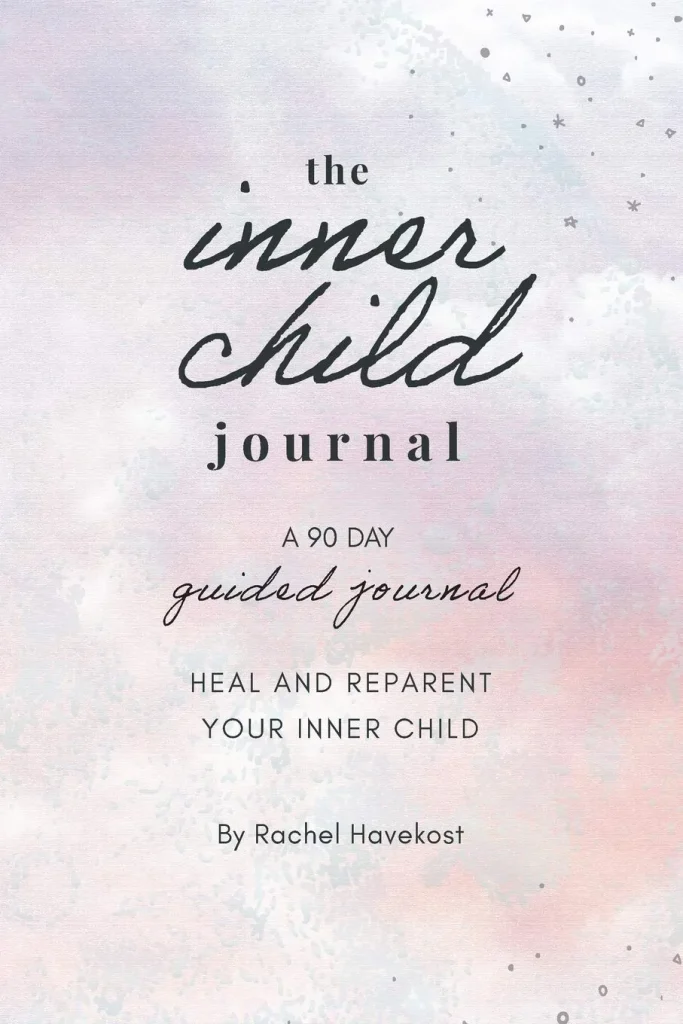
Best for a dedicated inner-child practice
Rachel Havekost’s journal is designed specifically around reconnecting with the inner child and developing a more supportive relationship with yourself. Its guided prompts and structured practices give readers a starting point for exploring childhood experiences, emotional needs, and the ways these may influence their current lives.
The 90-day framework may appeal to readers who want a defined routine rather than a book they open only when a difficult memory comes up. It also makes the purpose of the journal clear from the outset: inner-child work is the main focus, not just one topic among many.
What stands out
- A clearly defined focus on inner-child reflection.
- Structured prompts and practices for regular use.
- A suitable option for readers who want to make this work a consistent habit.
Potential drawback
Its specialized focus may feel restrictive if you also want to explore adult relationships, major life decisions, and broader personal development. Readers should also approach emotionally difficult exercises at a manageable pace.
2. 777 Little Moments in My Life: Heal Your Heart, Mend the Relationship and Elevate Your Thinking by Grace Willow

Best for connecting personal history with present-day growth
Not everyone looking into inner-child healing wants a book devoted entirely to childhood. Some readers want to reflect on their upbringing while also understanding their adult relationships, recurring regrets, insecurities, and changing sense of self.
777 Little Moments in My Life by Grace Willow takes this broader approach. Its themes include emotional healing, relationship repair, self-acceptance, personal choices, and the lessons that can emerge from everyday experiences. This gives readers room to consider how earlier memories fit into the larger story of their lives.
For example, someone reflecting on a childhood experience might also want to think about how it affects their boundaries in a current relationship. Another reader may want to examine old insecurities alongside the decisions they make today. The book’s wider scope leaves room for these connections without claiming to be a specialized inner-child therapy workbook.
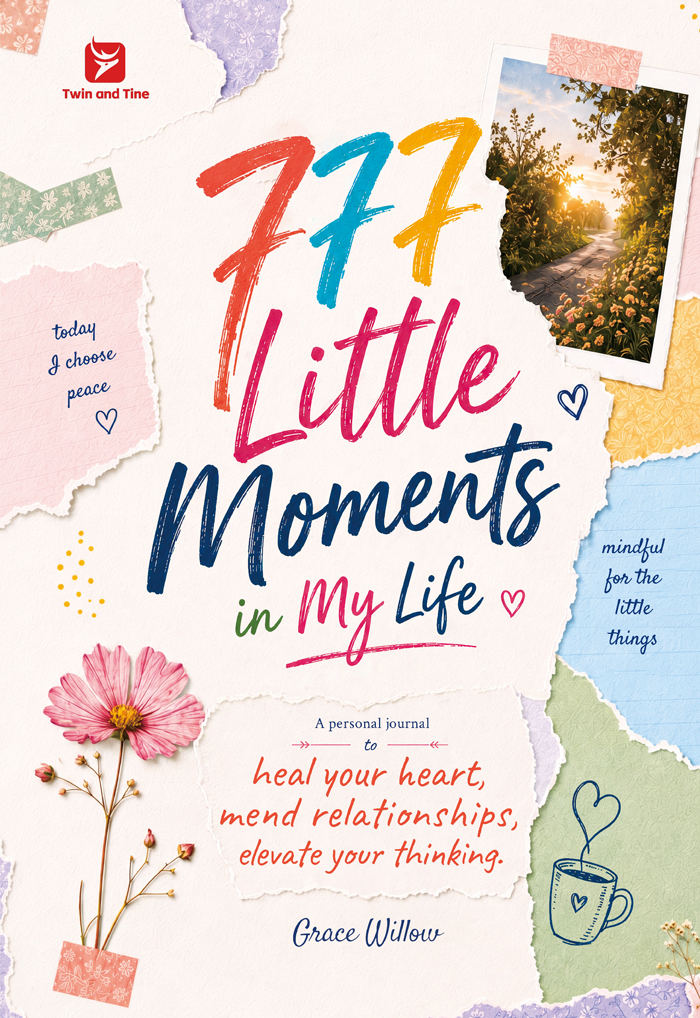
777 Little Moments in My Life
Grace Willow777 prompts to unpack old wounds, release buried emotions, and understand yourself more deeply.
What stands out
- Brings personal memories, relationships, and emotional growth into the same reflective space.
- Suits readers whose self-reflection extends beyond childhood alone.
- Encourages a wider view of personal experiences and the lessons they carry.
Potential drawback
It is not designed specifically around inner-child exercises. If your main goal is to follow a structured sequence of childhood-focused prompts, a dedicated journal such as Rachel Havekost’s may be a closer match.
3. Your Inner Child: A Guided Journal to Heal Your Past and Recover Your Joy by Kelly Bramblett
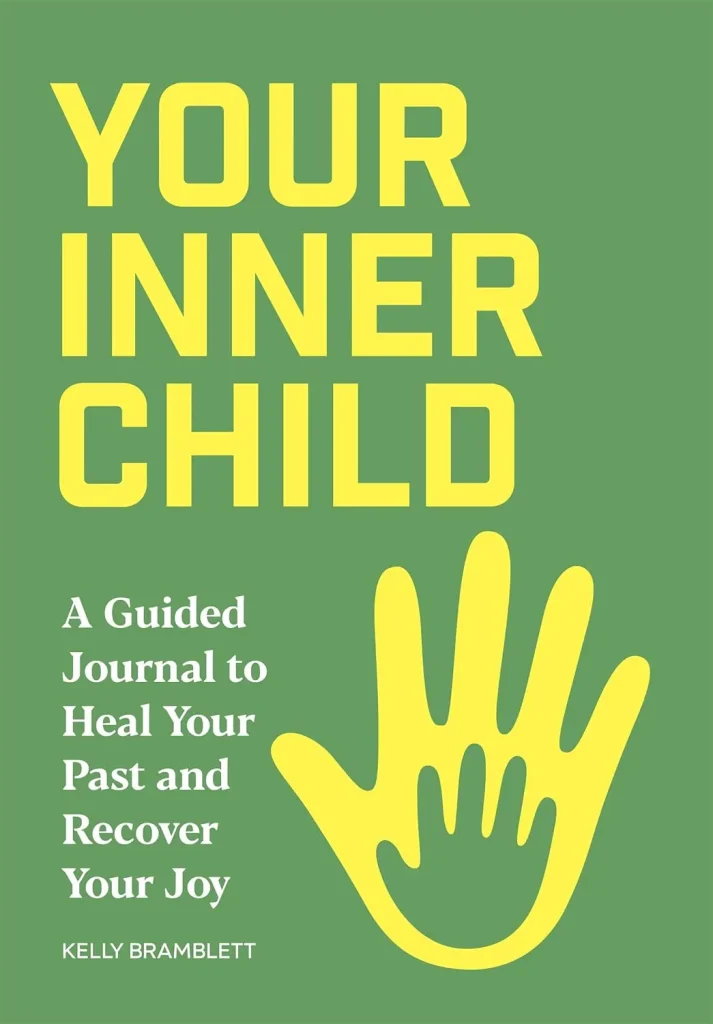
Best for prompts and guided practices
Kelly Bramblett’s journal centers on childhood memories and their relationship to adult emotions and behavior. It uses prompts, affirmations, and reflective exercises to help readers explore their earlier experiences, with additional practices such as meditation, visualization, and breathwork.
This format may suit people who find it difficult to know where to begin when thinking about childhood. Rather than relying entirely on free writing, the book provides several ways to approach reflection.
What stands out
- Keeps childhood reflection at the center of the experience.
- Offers different types of guided exercises.
- May help readers who feel stuck when faced with a blank page.
Potential drawback
Its narrow focus may not suit people looking for a journal that covers a wider range of adult experiences. The effectiveness of any exercise also depends on the individual; no single journaling method works for everyone.
4. The Adverse Childhood Experiences Guided Journal by Donna Jackson Nakazawa
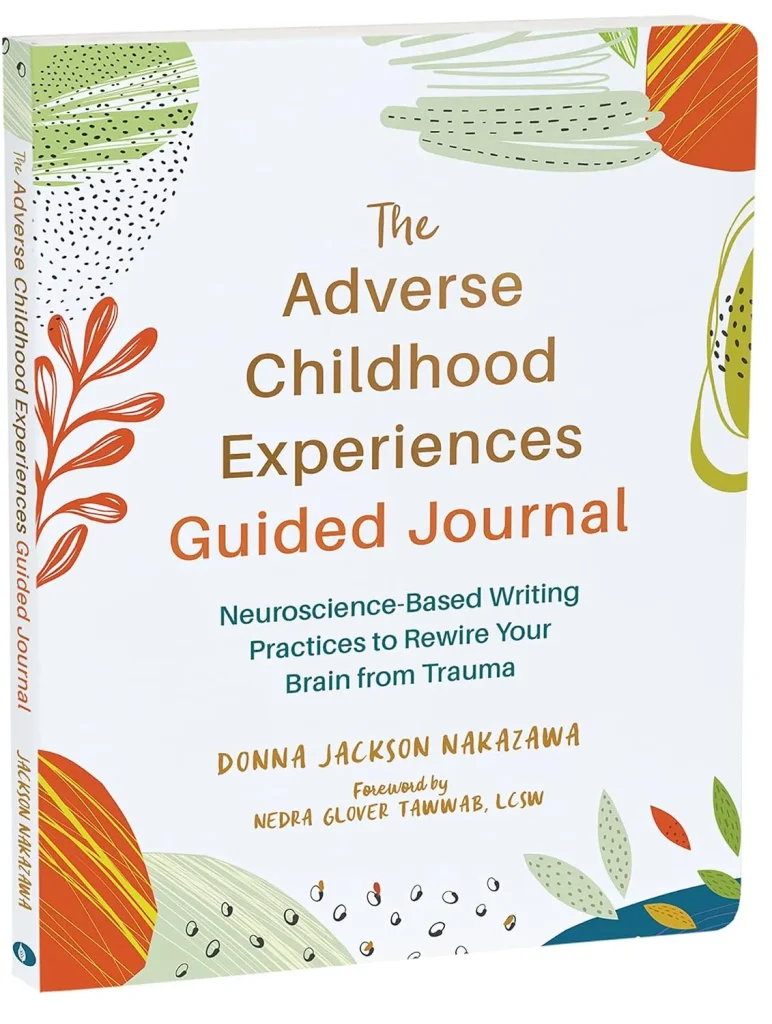
Best for a more specialized approach to early adversity
Some readers are not simply revisiting childhood memories; they are trying to understand how difficult early experiences may have influenced their health, relationships, or emotional responses. Donna Jackson Nakazawa’s journal takes a more specialized approach, focusing on adverse childhood experiences and their possible effects later in life.
Published by New Harbinger Publications, it uses guided writing practices informed by research on childhood adversity. Its focus distinguishes it from general self-discovery journals and makes it more relevant to readers seeking a resource centered on this specific subject.
What stands out
- Addresses adverse childhood experiences directly.
- Offers a more specialized framework than general journaling.
- May suit readers who want to explore the possible lasting effects of early adversity.
Potential drawback
The subject matter can be emotionally demanding. If writing brings up overwhelming memories or distress, it may be better to work with a qualified mental health professional rather than attempting to process everything alone.
5. Healing Your Inner Child: A Guided Journal to Break the Cycle and Begin Again by The Happiness Planner
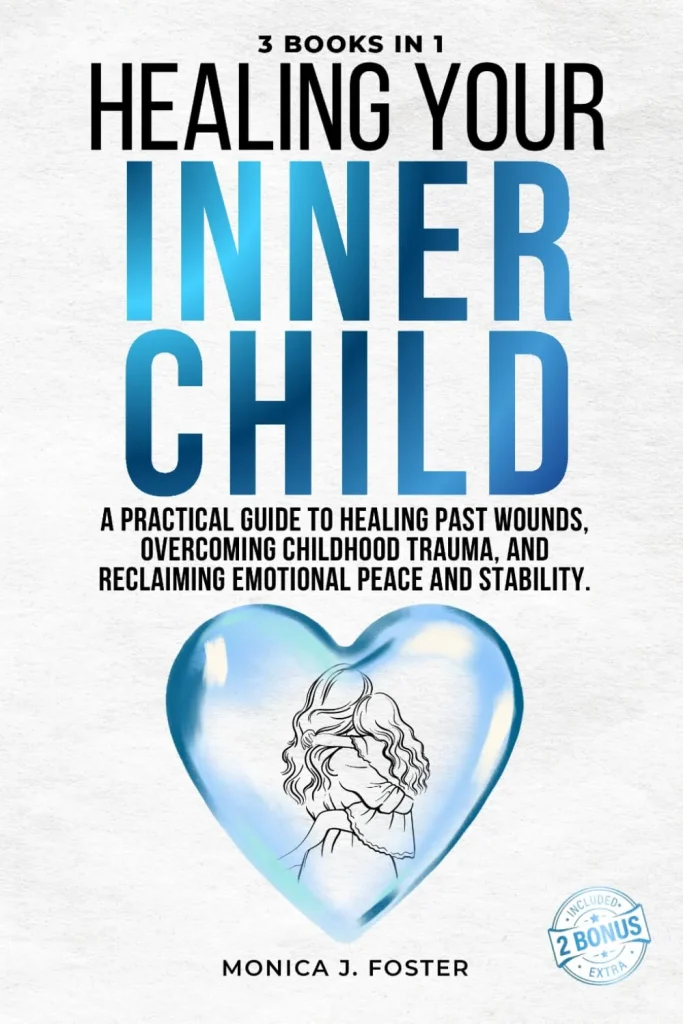
Best for short, focused reflection prompts
This journal from The Happiness Planner offers 30 guided questions centered on childhood wounds, emotional patterns, suppressed feelings, and self-compassion. Its defined set of prompts may appeal to readers who want a compact resource rather than a longer program.
The limited number of questions can also make the process feel less daunting. Instead of committing to months of exercises, readers can explore the prompts at their own pace and decide which questions deserve more time.
What stands out
- A defined set of 30 reflection questions.
- A clear focus on inner-child themes.
- A compact format for readers who prefer a shorter journaling resource.
Potential drawback
Readers who want extensive writing space or a longer structured program may find the format limited. It is worth reviewing the available pages to see whether the prompts offer the depth you are looking for.
Which Journal Fits Your Needs?
| Journal | Main focus | Consider it if you want… |
|---|---|---|
| The Inner Child Journal | Dedicated inner-child work | A structured 90-day practice |
| 777 Little Moments in My Life | Broad personal reflection | To connect your past with relationships and present-day growth |
| Your Inner Child | Guided childhood exploration | Prompts, affirmations, and different reflection exercises |
| The Adverse Childhood Experiences Guided Journal | Early adversity | A more specialized writing framework |
| Healing Your Inner Child by The Happiness Planner | Short-form reflection | A compact set of focused questions |
A Final Thought on Inner-Child Journaling
The most suitable journal depends on what you hope to understand. If you specifically want to work through childhood experiences using dedicated exercises, choose a book built around that purpose. If you are also thinking about how your past affects relationships, emotional reactions, and personal choices today, 777 Little Moments in My Life may be worth considering. Its strength is the broader connection between emotional healing, self-acceptance, relationships, and everyday lessons. It offers a way to reflect on your personal history as part of a larger journey of growth, rather than treating childhood as the only piece of the story.

