You know you should be doing something with your money. But every time you open a finance book, you get lost in jargon. Save 20% of your income. Max out your retirement accounts. Invest in index funds. None of it applies when you are still figuring out how to pay off a credit card.
Most finance books assume you already have money to manage. They skip the part where you are still learning the basics. The three books below do not make that assumption. They start at the beginning.
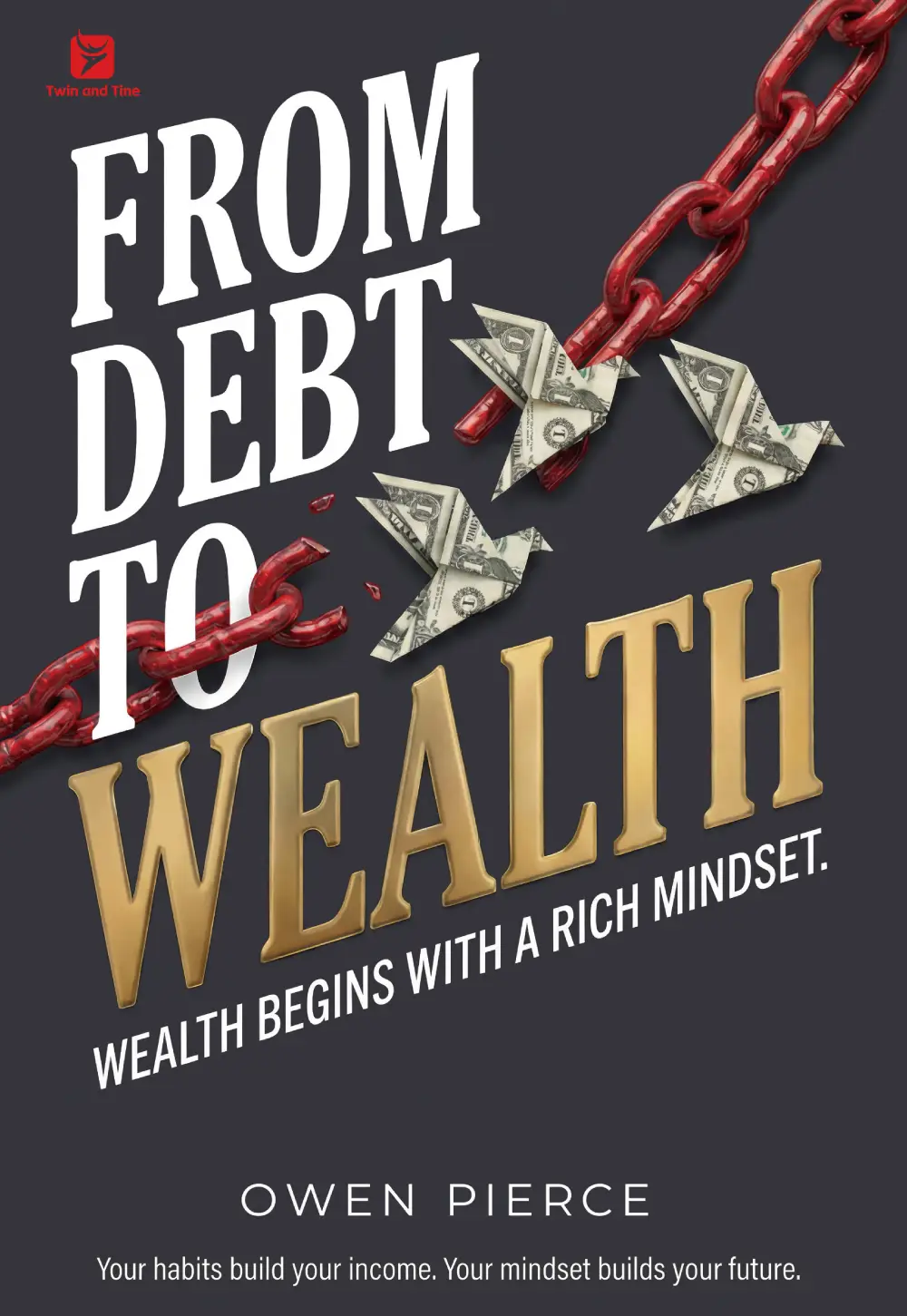
From Debt to Wealth
Owen PierceA money framework for people stuck in the paycheck-to-paycheck cycle. Understand why your income never feels like enough — and how to break out.
From Debt to Wealth by Owen Pierce
Book description: You work hard. Your income goes up. But somehow, you never get ahead. The cycle is not about willpower—it is about habits you were never taught to break. This book walks you through a complete reset: how to break the paycheck-to-paycheck cycle, how to pay down debt without feeling deprived, and how to build savings when you have never been able to keep them. It assumes you are stuck—and gives you a way out.
Why you should read it: Most finance books assume you have already taken the first step. They assume you are not bleeding money every month. Pierce assumes you are bleeding. He starts with a question most books avoid: why does your income never seem to be enough? If you are tired of wondering where your money went, this is where you start.
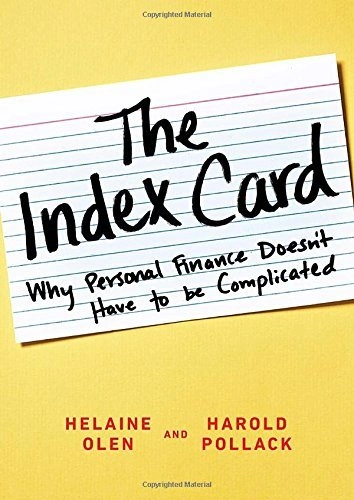
The Index Card by Helaine Olen and Harold Pollack
Book description: A finance professor wrote down everything you need to know about money on a single index card. That card went viral. This book expands on it. Ten rules that cover saving, investing, debt, and home-buying. Simple enough to fit on one card. Practical enough to actually work.
Why you should read it: Most finance books are too long. This one is short on purpose. Pollack, a University of Chicago professor, realized that good financial advice should fit on a note card—because if it does not, people will not remember it. The rules are straightforward: save 20% of your income. Pay off credit cards every month. Never buy individual stocks. Max out your retirement accounts. Nothing revolutionary. But everything is clear, no-nonsense, and backed by research. If you are overwhelmed by complicated advice, this book is a breath of fresh air.
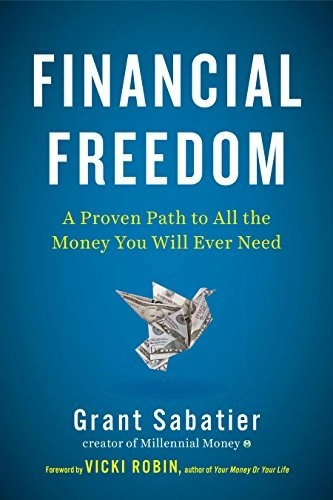
Financial Freedom by Grant Sabatier
Book description: Sabatier was 24 years old with $2.26 in his bank account. Five years later, he was worth over $1 million. This book is the story of how he did it—and a step-by-step guide for anyone who wants to do the same. He covers side hustles, saving aggressively, investing smartly, and rethinking what wealth actually means.
Why you should read it: Most personal finance books assume you want to retire at 65. Sabatier argues you can do it much faster. The book is not about getting rich quick. It is about getting rich on your own timeline. He gives you specific strategies for increasing your income, reducing your expenses, and investing the difference. What sets this book apart is the mindset shift: wealth is not about how much you earn. It is about how much you keep, and how quickly you can make it grow. If you are young and impatient with slow-and-steady advice, this book will give you a different path.
These three books cover different starting points. If you are in debt and living paycheck to paycheck, start with Pierce. He gets you out of the hole. If you are overwhelmed by complicated advice and want the basics distilled, read Olen and Pollack. If you are ready to build wealth faster and want a roadmap, pick up Sabatier.