You know the feeling.
Paycheck comes in. Bills go out. You tell yourself this month will be different. Then life happens. A car repair. A dinner out. An expense you didn’t plan for. And you are right back where you started.
You are not bad with money. You earn decent money. You try to save. But somehow, financial freedom still feels impossible. The problem is not your income. It is your relationship with money.
The three books below each address a different layer of this problem. One rewires how you think about wealth. One exposes the psychology behind your money habits. One breaks down the practical steps to escape the paycheck cycle.
From Debt to Wealth by Owen Pierce
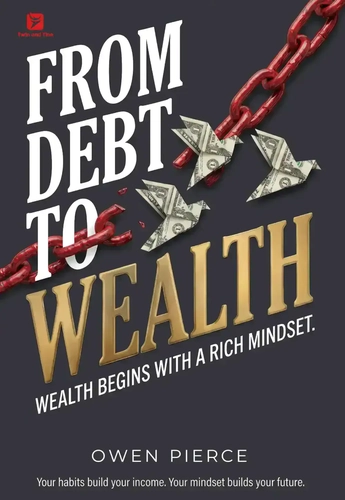
Why do you work harder but never feel wealthier?
Most people believe wealth is a reward for hard work. Work more hours. Earn a bigger paycheck. Buy things that signal success. And end up deeper in debt.
Pierce’s book flips this assumption. Wealth is not compensation for effort. It is compensation for cognition. It comes from making money work for you, not trading time for income. It grows when you invest in yourself, leverage resources, and build real assets instead of flashy liabilities.
The book explains why a salary is a starting point, not a destination. Why luxury often drains wealth instead of building it. Why the poor seek comfort while the rich embrace discomfort. Why financial freedom is more valuable than any material possession.
The poor work for money. The rich make money work for them.
What makes this book essential is the shift in perspective. It does not tell you to earn more. It tells you to think differently about what you already earn. It rewires your entire relationship with money.
For anyone who keeps earning more and feeling poorer.
The Psychology of Money by Morgan Housel
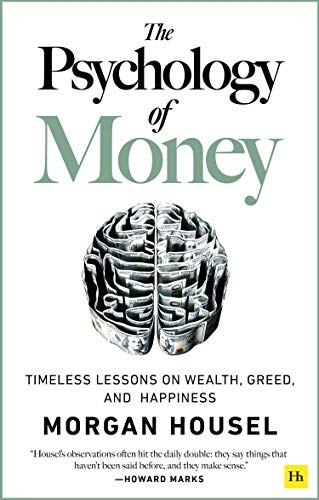
Why do smart people make bad money decisions?
Here is something surprising. Managing money is not about intelligence. It is about behavior. You can be a genius with numbers and still make terrible financial choices. You can have no formal training and build lasting wealth.
Housel’s book is built around a simple truth: doing well with money has less to do with what you know and more to do with how you behave. He explains why people make irrational decisions about money, why we compare ourselves to others, why we take unnecessary risks, and why we struggle to save.
One of the most powerful insights is about compounding. Wealth is not about making big moves. It is about making small, consistent choices over long periods of time. The people who get rich are not the ones who take the biggest risks. They are the ones who stay patient.
Wealth is not what you see. It is what you do not see.
For anyone who knows what to do with money but cannot seem to actually do it.
Rich Dad Poor Dad by Robert Kiyosaki
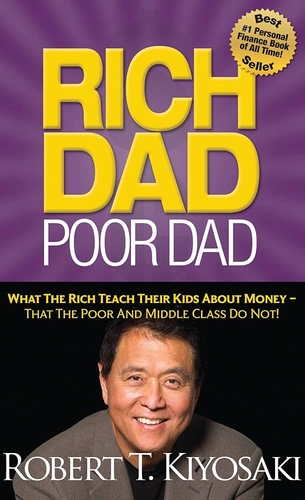
How do you break free from the paycheck cycle?
This book has been around for decades, and for good reason. It introduces one of the most fundamental distinctions in personal finance: the difference between assets and liabilities.
Kiyosaki explains that the poor and middle class work for money. The rich have money work for them. The difference is not income level. It is what you do with what you earn. Assets put money in your pocket. Liabilities take money out. And most people spend their lives buying liabilities they mistake for assets.
What makes this book valuable is the practical framework. It teaches you to focus on building income-generating assets instead of chasing bigger paychecks. It gives you a clear distinction between financial habits that build wealth and habits that keep you stuck.
The poor and middle class buy liabilities. The rich buy assets.
For anyone who wants a clear framework for escaping the 9-to-5 cycle.
These three books each approach money from a different angle. Pierce rewires how you think about wealth. Housel explains the psychology behind your money habits. Kiyosaki gives you a practical framework for building assets.
If you are tired of earning more and feeling poorer, start with the one that matches where you are stuck:
- Need to rethink what wealth actually means? Start with Pierce.
- Need to understand why you make bad money decisions? Start with Housel.
- Need a clear framework for building assets? Start with Kiyosaki.
Money is not the goal. Freedom is. And freedom starts with how you think about what you already have.
