You open your banking app, decide you need to be more responsible, then three days later you buy something because “you deserve it.”
You know the rules. Save more. Spend less. Invest early. You have heard them hundreds of times. You have repeated them to yourself. You have made plans based on them.
And then you broke them.
This is not because you lack discipline. It is because your brain is not designed to follow financial advice. It is designed to survive, to seek rewards, and to avoid discomfort. And that design is often the reason you make decisions that hurt your long-term goals.
The three books below explain why. Each one reveals a different layer of why smart people make bad financial decisions.
Quick Comparison
| Book | What It Explains |
|---|---|
| From Debt to Wealth | The habits keeping you financially stuck |
| Predictably Irrational | The hidden biases behind your choices |
| Misbehaving | How your environment shapes your decisions |
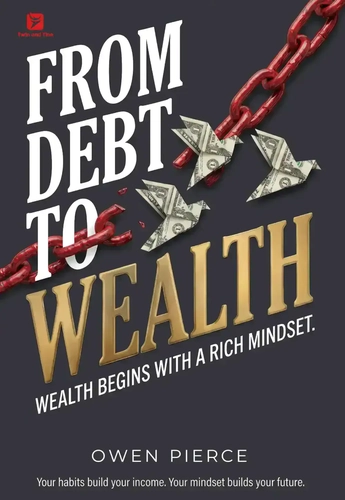
1. From Debt to Wealth by Owen Pierce
The layer: Your personal money patterns.
You have tried to change your money habits before. You made a budget. You promised yourself you would do better. Then something happened—stress, a bad day, an unexpected expense—and you were right back where you started.
Pierce argues that many money problems are not caused by a lack of discipline. They come from patterns you built to get through life—patterns that may have helped you survive before but now keep you stuck financially. You work harder, you earn more, but your expenses grow right along with it. You buy things to feel better and end up deeper in debt.
The problem is not just what you do with money. It is the emotional patterns behind why you do it. This book does not give you a budget template. It gives you a reset. How to break the paycheck-to-paycheck cycle. How to eliminate bad debt without feeling deprived. How to build savings when you have never been able to keep them.
Start here if: you feel like you are running in place and cannot figure out why. If you keep repeating the same financial mistakes despite knowing better, this book shows you the patterns underneath.
2. Predictably Irrational by Dan Ariely
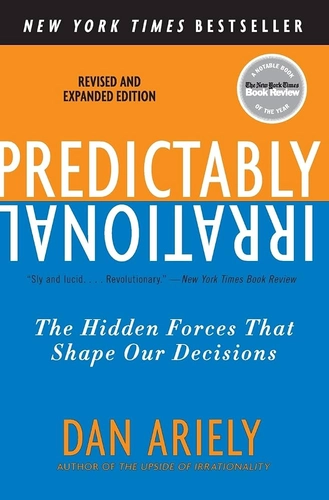
The layer: Your brain’s hidden biases.
You have probably done something that did not make sense financially. You overpaid for something because it was on sale. You spent more than you planned because the payment felt small. You avoided a decision because there were too many options.
Ariely, a behavioral economist, ran experiments that reveal the hidden forces behind financial choices. Why fear makes you avoid decisions. Why immediate rewards feel more valuable than future ones. Why your brain takes emotional shortcuts instead of doing the math.
What makes this book essential is the awareness it gives you. You start noticing when your own brain is working against you. You stop trusting your immediate reactions. You start asking: why do I actually want this? The answer is often not what you expect.
Start here if: you know the rules but keep making decisions that do not make sense. If you have ever wondered why you do things you know are not in your best interest, this book explains why.
3. Misbehaving by Richard Thaler
The layer: The environment around your decisions.
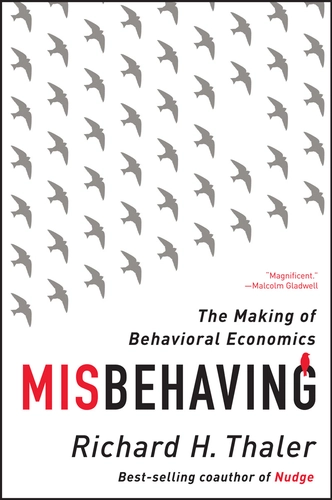
You know you should save for the future. But your brain gives more weight to what feels good today. Thaler explains why this happens—and why the problem is not simply a lack of discipline.
Your banking app has default options. Credit cards offer rewards for spending. Subscription services make it hard to cancel. These are not accidents. They are design choices that influence your behavior without you noticing. Thaler, a pioneer in behavioral economics, spent his career studying how people actually make decisions—not how they should.
He shows why we struggle to resist short-term temptations even when we know the long-term cost. Why the same choice feels different depending on how it is presented. Why we make decisions we later regret, and then we do it again.
Start here if: you have ever made a decision that did not make sense and wondered why. If you want to understand why your environment pushes you toward certain choices, this book answers that question.
These three books reveal different layers of why you make bad financial decisions. Pierce shows you the patterns that keep you stuck. Ariely shows you the shortcuts your brain takes. Thaler shows you how your environment pushes you in directions you did not choose.
Start with the problem closest to your life right now.
Stuck in a cycle? Start with Pierce.
Tempted by short-term rewards? Read Ariely.
Want to understand the psychology behind decisions? Pick up Thaler.
The goal is not to become perfect with money. It is to understand the forces influencing your decisions so you can make better ones.
