A simple request to put away a game turns into a long argument. Your child says no, challenges every instruction, and keeps pushing even after you have explained the rule several times. By the end of the exchange, you may be more focused on getting the last word than solving the original problem.
Defiant behavior can be exhausting, especially when the same disagreements happen every day. But responding more effectively does not mean giving in to every demand or becoming stricter with every refusal. Helpful parenting books can show you how to set limits, understand what may be driving resistance, and respond in ways that protect the relationship while keeping expectations clear.
If your child regularly pushes back against rules or insists on doing things their own way, these books for strong-willed children offer another perspective on building cooperation and setting limits.
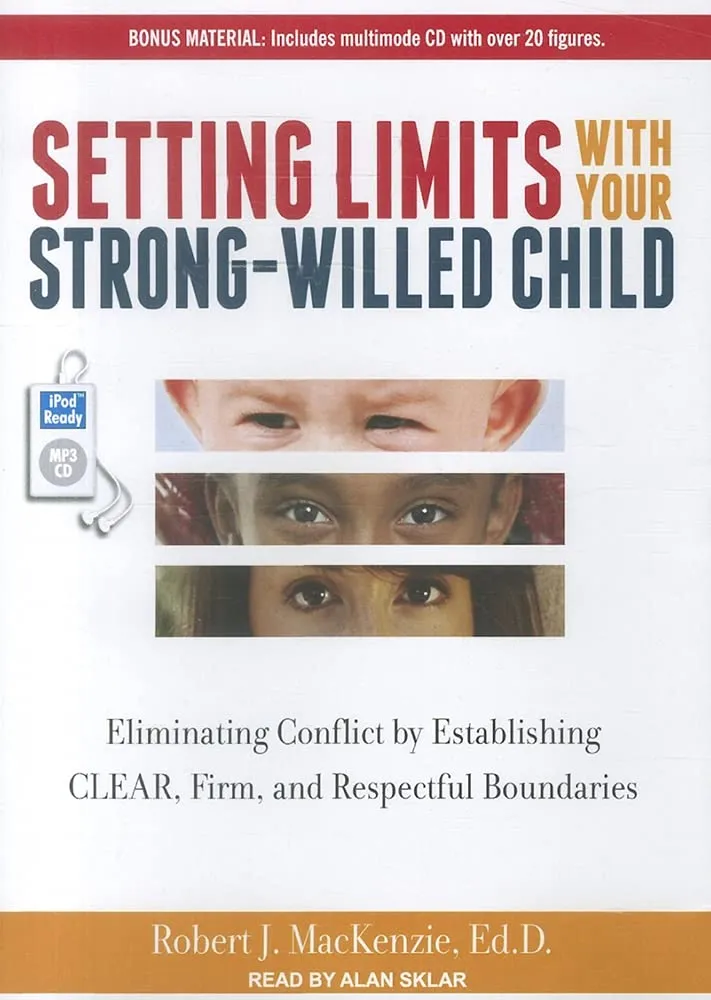
1. Setting Limits with Your Strong-Willed Child by Robert J. MacKenzie
Some children push against rules repeatedly, even when the expectations seem straightforward. Parents may respond by explaining more, negotiating longer, or increasing consequences, only to find themselves caught in the same argument the next day.
Setting Limits with Your Strong-Willed Child focuses on establishing clear, consistent boundaries that children can understand. Robert J. MacKenzie discusses how parents can avoid turning everyday instructions into power struggles and follow through without relying on constant threats or lengthy lectures. The book is particularly relevant for families that need a more predictable approach to rules, responsibilities, and consequences.
2. The Parent You Aspire to Be by Miles Carter

When a child refuses to cooperate, a parent’s first reaction may be frustration: repeating the instruction more loudly, threatening a consequence, or demanding an immediate apology. These responses can sometimes intensify resistance, especially when both parent and child are already upset.
The Parent You Aspire to Be by Miles Carter focuses on understanding children’s behavior, managing parental emotions, and improving parent-child communication. It explores common challenges such as refusing instructions, procrastinating, using rude language, lying, and struggling with everyday responsibilities. Rather than relying only on punishment, the book emphasizes recognizing ineffective responses, choosing more constructive language, and using practical steps to guide behavior.
For parents who feel caught between being too permissive and becoming overly controlling, the book offers a framework for combining firmness with kindness. Its emphasis on emotional regulation is also useful when a child’s defiance triggers anger or leaves a parent feeling powerless.
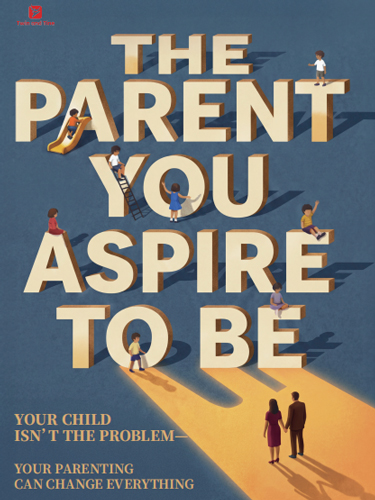
The Parent You Aspire to Be
Miles CarterPractical guidance for tantrums, backtalk, lying, screen addiction, emotional outbursts, and everyday parenting struggles.
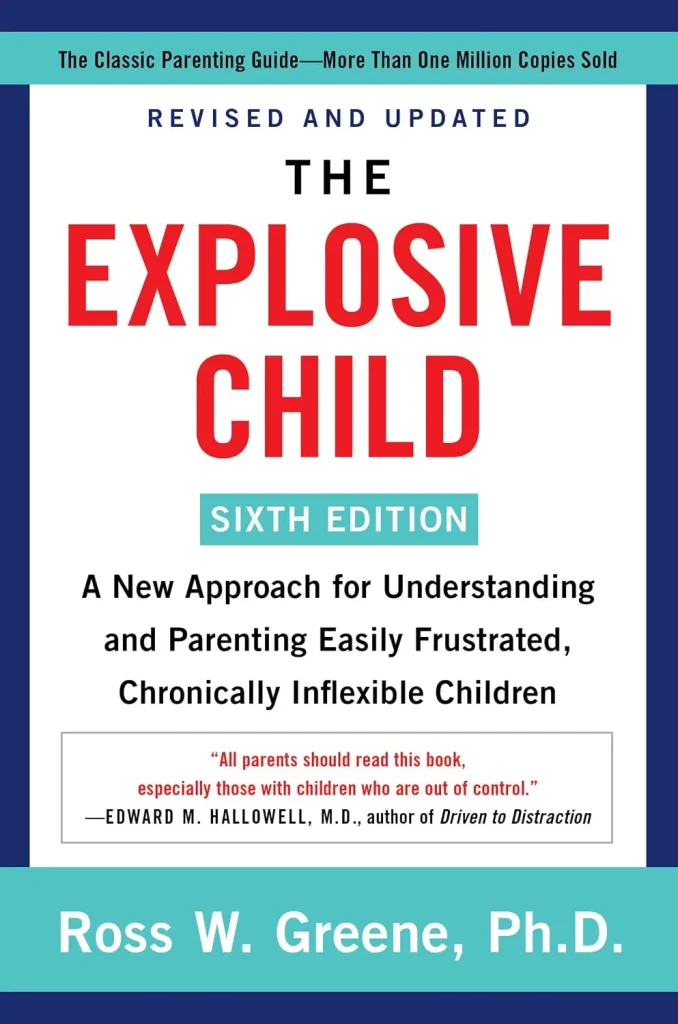
3. The Explosive Child by Ross W. Greene
For some families, ordinary requests can lead to intense reactions that seem disproportionate to the situation. A change in plans, an unfinished task, or a limit on screen time may trigger an argument that neither parent nor child knows how to resolve.
The Explosive Child presents Ross W. Greene’s Collaborative and Proactive Solutions approach. The book encourages parents to identify the situations that repeatedly lead to difficulties, consider the skills a child may be struggling with, and work together to find solutions before problems escalate. It offers an alternative to treating every refusal as deliberate misbehavior and may be particularly helpful when conflict is frequent and intense.
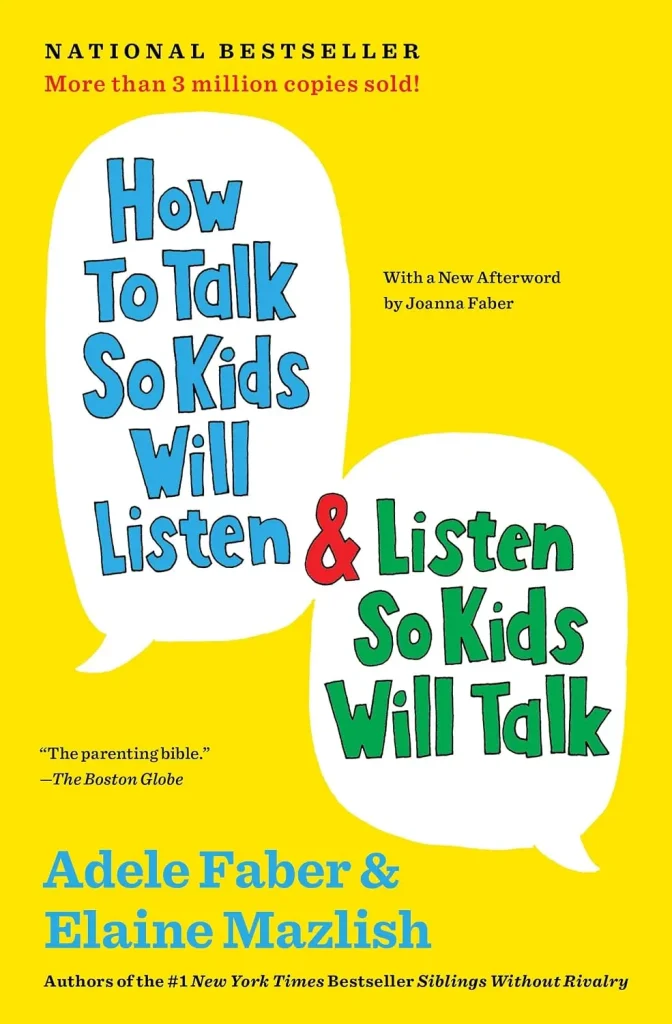
4. How to Talk So Kids Will Listen & Listen So Kids Will Talk by Adele Faber and Elaine Mazlish
Sometimes the way an instruction is delivered affects how a child responds. Repeated commands, criticism, and long explanations can make children defensive, even when the original expectation is reasonable.
This book offers practical communication techniques for acknowledging feelings, describing problems without attacking a child’s character, and inviting cooperation. It helps parents move away from conversations dominated by commands and arguments toward clearer exchanges that give children a chance to participate in solving problems. These skills can be especially useful when defiance is tied to feeling misunderstood or having little say in everyday decisions.
5. No-Drama Discipline by Daniel J. Siegel and Tina Payne Bryson
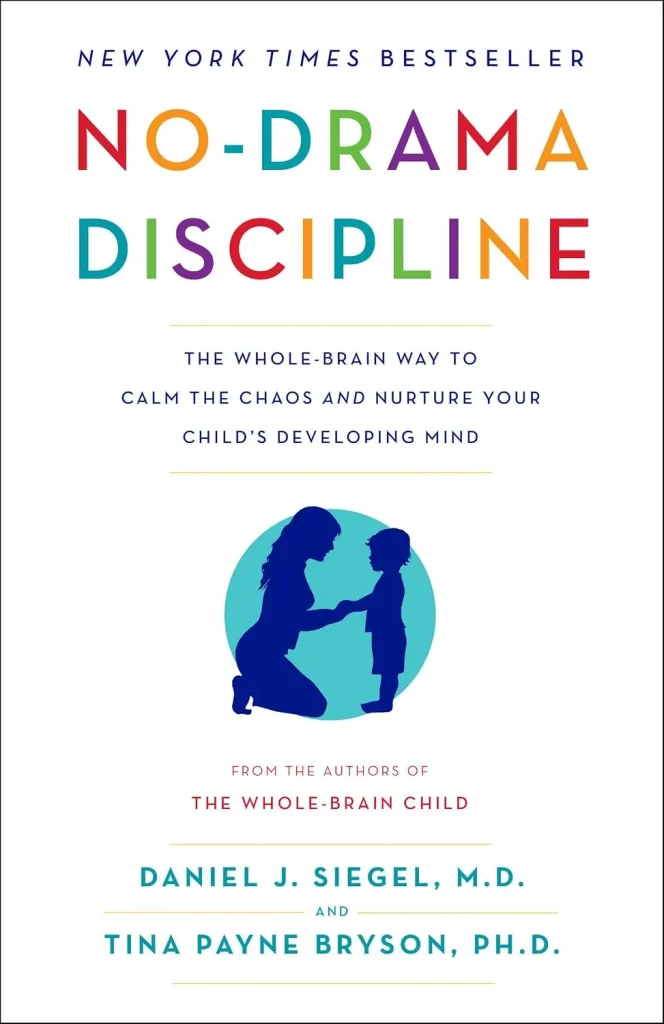
When a child is upset, immediate punishment may not teach the lesson a parent hopes to communicate. A child who is overwhelmed may struggle to listen, reflect, or explain what happened, while a parent’s anger can make the moment even harder to manage.
No-Drama Discipline explores how parents can respond to misbehavior while considering children’s emotional development. The authors explain the importance of connecting with a child before moving into correction and teaching. The book offers a way to think about discipline as an opportunity to develop understanding and skills, rather than simply stopping unwanted behavior.
Responding to Defiance Without Turning Every Moment Into a Battle
You do not need to resolve every disagreement through a long conversation. In many situations, a calm and predictable response is more useful than repeated explanations.
- Give clear instructions. Say what needs to happen in specific terms instead of making vague demands such as “behave yourself.”
- Keep limits consistent. If a rule changes every time an argument gets louder, children may learn to keep arguing rather than follow the expectation.
- Acknowledge feelings without removing the boundary. You can recognize that your child is angry about ending screen time while still requiring the device to be put away.
- Offer reasonable choices. Let your child choose between two acceptable options when possible, such as completing homework before or after a short break.
- Return to the problem after emotions settle. A calmer conversation can help you understand what made the situation difficult and plan for next time.
The most useful book depends on what happens in your home. If daily life is dominated by repeated arguments over rules, Setting Limits with Your Strong-Willed Child may be a practical starting point. If communication breaks down quickly, How to Talk So Kids Will Listen & Listen So Kids Will Talk offers useful language. For parents who want to improve their own reactions while guiding behavior, The Parent You Aspire to Be addresses both sides of that challenge.
Progress may begin with one ordinary moment: giving an instruction without turning it into a lecture, holding a boundary without shouting, or helping your child recover from frustration before discussing what happened. Those small changes can gradually make family disagreements easier to manage.
Did this article help you see things differently? Our books turn helpful ideas into practical tools you can return to anytime.



Break the Anxiety Circle
$19.90

From Debt to Wealth
$19.90


