One in three American adults cannot cover a $400 emergency expense in cash. That figure comes from the Federal Reserve’s 2026 Survey of Household Economics. It is up from previous years. Wages have not kept pace with the cost of living, and millions of families now have no margin for error.
At the same time, most personal finance advice is written for people who already have money. Save 20% of your income. Max out your retirement accounts. Invest in index funds. All useful advice. All completely useless when rent and groceries take almost everything you make.
The books below are different. They are written for people who have to make every dollar count. Not from a place of shame. From a place of reality.
5 Personal Finance Books To Read If You Have Low Income
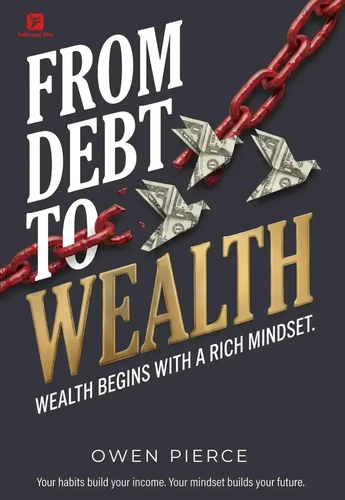
From Debt to Wealth by Owen Pierce
Main focus: Breaking the debt and paycheck-to-paycheck cycle from the ground up
Target audience: Anyone with low income who is stuck in debt and needs a practical path out
Book Overview:
The most common mistake in personal finance advice is treating debt and low income as separate problems. They are not. Debt makes low income harder. Low income makes debt harder to escape. You cannot solve one without addressing the other.
Pierce starts with a question most finance books avoid: why does your income never seem to be enough? The answer is not that you are bad with money. It is that you have been playing by rules that were never designed to make you wealthy. You work harder, you earn a little more, but your expenses grow right along with it. You buy things to feel better and end up deeper in the hole. The cycle is not about willpower. It is about habits you were never taught to break.
What sets this book apart is that it does not require you to have extra money. It does not tell you to save 20% of your income. It walks you through how to stop the paycheck-to-paycheck cycle with what you already have. How to pay down debt without feeling deprived. How to build savings when you have never been able to keep them. It also covers investing and wealth-building in plain language—no jargon, no complicated formulas. Just the real rules used by financially free people: invest in yourself first, use leverage carefully, focus on assets that produce income, and stay patient.
Who Should Read This?
Anyone who is tired of wondering where their money went and needs a real, step-by-step path out. If you are living paycheck to paycheck or carrying debt with no clear plan, this is where you start. Nothing else works until you break the cycle.
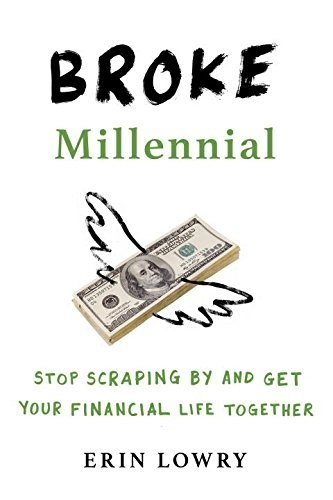
Broke Millennial by Erin Lowry
Main focus: Navigating low income and the awkward money conversations that come with it
Target audience: Young adults and anyone who feels embarrassed or overwhelmed by their financial situation
Book Overview:
Lowry writes for people who are managing low income and all the awkwardness that comes with it. How do you tell a friend you cannot afford to go out to dinner? How do you ask your parents for help without feeling like a failure? How do you handle money in a relationship when you are the one who has less? Most finance books ignore these questions. Lowry answers them directly, without judgment.
The book is built around real, uncomfortable scenarios. The tone is light and funny, but the advice is concrete. Lowry covers everything from opening a bank account to negotiating your salary to talking about money with friends and family. She does not assume you have a 401(k) or a side hustle. She assumes you are figuring things out as you go. And she meets you there.
What stands out is Lowry’s ability to normalize the struggle. She gives you permission to talk about money even when you do not have much of it. For someone who feels alone in their financial stress, this book is a relief.
Who Should Read This?
Anyone who has ever felt embarrassed about their money situation. If you avoid checking your bank account or dread conversations about money, this book will help you feel less alone and more capable.
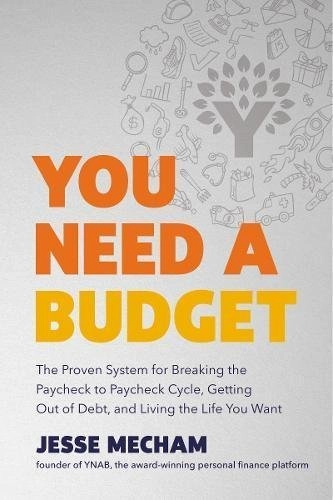
You Need a Budget by Jesse Mecham
Main focus: A practical budgeting system that works with any income level
Target audience: Anyone who feels like they have no control over their money and needs a simple system to follow
Book Overview:
Most budgeting advice tells you to track what you spend and then try to spend less next month. This does not work when your income is tight. By the time you see where the money went, it is already gone. Mecham flips the model.
The approach is simple: give every dollar a job before you spend it. You look at the money you have right now and assign it to specific categories. Rent. Groceries. Utilities. Debt payments. Whatever is left, you assign it somewhere else. Nothing is left unaccounted for. You are not reacting to your spending. You are directing it.
This method is particularly useful for low-income readers because it works with small amounts. You do not need a large income to budget. You just need to know where every dollar is going before it leaves your account. Mecham also emphasizes flexibility. If you overspend in one category, you move money from another. The system bends with you rather than breaking you.
Who Should Read This?
Anyone who feels like their money disappears every month with nothing to show for it. If you have tried budgeting before and failed, this book offers a different approach that actually works.
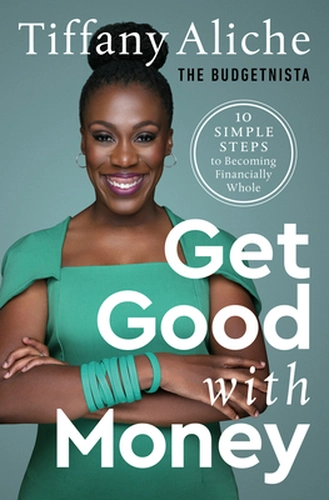
Get Good with Money by Tiffany Aliche
Main focus: Financial wholeness, from budgeting to investing, starting from a place of scarcity
Target audience: Beginners who want a clear, step-by-step plan and need a compassionate guide
Book Overview:
Aliche is a former preschool teacher who was drowning in debt and built her way out. She writes from experience, not theory. And she writes for people who are starting from a place of scarcity.
The book is structured around ten building blocks of financial health. Budgeting, saving, paying down debt, building credit, investing, and more. But the format is not what sets it apart. The tone is. Aliche writes like a friend who has been where you are and wants to help you get out. She does not shame you for past mistakes. She assumes you are doing your best and shows you how to do a little better.
There is a whole section on credit scores, which can feel intimidating and predatory. Aliche walks you through how credit actually works, how to improve your score, and how to avoid the traps that keep people stuck. Another section covers investing for people who are scared of investing. Another covers how to talk to your family about money without starting a war.
Who Should Read This?
Anyone who feels like they are alone in their financial struggle and needs a compassionate guide. If you want someone on your team, Aliche is that person.
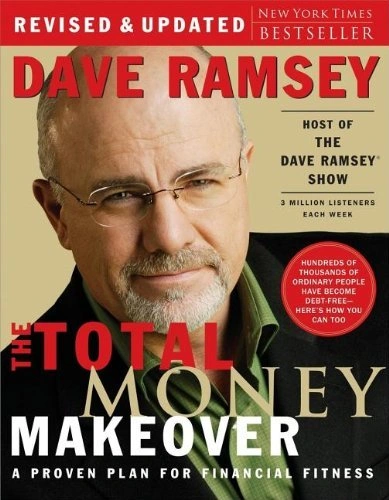
The Total Money Makeover by Dave Ramsey
Main focus: Getting out of debt with a strict, no-nonsense system
Target audience: Anyone who is overwhelmed by debt and needs clear, actionable rules
Book Overview:
Ramsey is the most well-known voice in the debt-free space. His approach is strict, simple, and built for people who are struggling.
The centerpiece is the “debt snowball.” You list all your debts from smallest to largest. You pay minimums on everything except the smallest one. You throw every extra dollar at that one until it is gone. Then you move to the next. The wins start small, but they build momentum. Ramsey also pushes a strict budget and a $1,000 starter emergency fund. The goal is not to get rich overnight. The goal is to get your head above water.
What makes Ramsey particularly useful for low-income readers is the low barrier to entry. You do not need savings to start. You do not need to invest. You just need a list of debts and a commitment to paying them off one at a time. The system is repetitive and requires discipline, but it works.
Who Should Read This?
Anyone who needs a clear, no-nonsense structure to follow. If you are drowning in debt and do not know where to start, Ramsey gives you a plan you can execute today.
There are many books that can support a financial journey, but the most useful ones for your own path should be considered in terms of context, content, and relevance to where you are right now. The best finance books for low income readers explain how to improve your finances and also help you understand why money feels stressful, where certain habits come from, and which systems can make financial decisions easier to manage. Whether the next step is breaking the paycheck cycle, navigating awkward money conversations, building a budget, paying down debt, or planning for the future, the right book can turn money worries into a clearer path forward.
