You probably know someone like this—or maybe it’s you. A 2025 Federal Reserve report found that more than half of American adults say they feel anxious about managing their day-to-day finances. Not because they earn too little, but because they were never taught how. The same report found that nearly a third of people earning over $100,000 said they could not cover a $400 emergency expense.
This tells you something important: financial stress has less to do with how much you make and everything to do with your money habits. Most finance books teach you how to manage money. They do not teach you how to change your habits around money. The three books below solve exactly that problem.
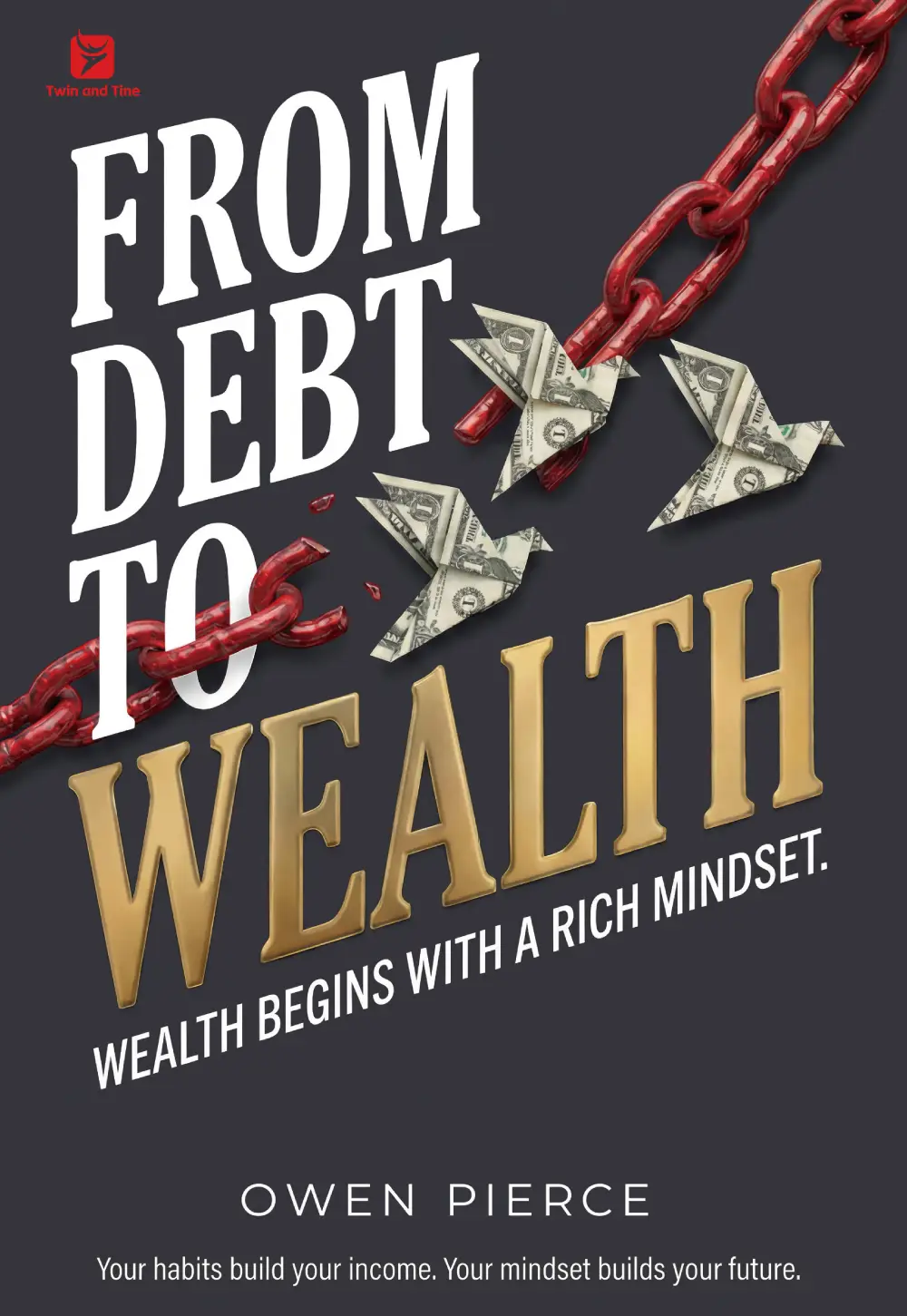
From Debt to Wealth
Owen PierceA money framework for people stuck in the paycheck-to-paycheck cycle. Understand why your income never feels like enough — and how to break out.
From Debt to Wealth by Owen Pierce
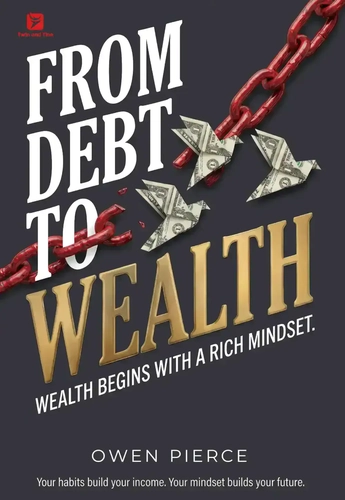
I spent years thinking I just lacked willpower. I would set a budget, stick to it for a week, then blow it. I would tell myself I would start saving next month, and next month would come and I would fail again. I thought the problem was me.
Pierce’s book was the first one that told me something different. The problem was not my willpower. It was the rules I was playing by. I had been trying to manage money like someone who already had it, not someone who was still figuring out the basics.
The book starts with a question most finance books avoid: why does your income never seem to be enough? The answer is not that you are bad with money. It is that you have been running on a treadmill that keeps speeding up. You work harder, you earn a little more, but your expenses grow right along with it. You buy things to feel better and end up deeper in the hole.
What makes this book different is that it does not assume you have extra money to manage. It assumes you are stuck—and gives you a way out. Pierce walks you through a complete reset: how to break the paycheck-to-paycheck cycle without feeling deprived, how to eliminate bad debt in a way that actually sticks, and how to build savings when you have never been able to keep them.
The book is practical, not inspirational. It gives you a system that works even when motivation runs out. If you are tired of the cycle and need a real path forward, this is where you start.
The Joy of Money by Carrie Joy
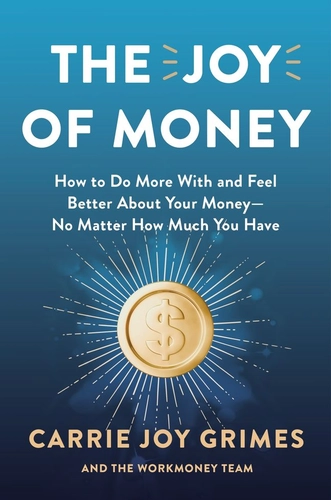
Most personal finance books tell you what to do. They do not tell you how to make it stick. Carrie Joy’s book solves that problem.
Joy pairs practical financial steps with behavioral insights that make new habits stick. She does not promise quick fixes. She offers something better: clear explanations, real-life stories, and tools you can put to use today.
What I found most useful is the way she breaks down habit formation. Most of us try to change everything at once. We make a budget, we cut all spending, we swear off coffee shops forever. It works for a week, then we crash. Joy shows you how to start small. One habit at a time. One change that actually fits your life.
She also addresses something most finance books ignore: the emotional side of money. Why do you spend when you are stressed? Why do you avoid looking at your bank account? Why do you make the same mistakes over and over? Joy does not just tell you to stop. She helps you understand why you do it, so you can actually change it.
The book is full of real-life stories from people who have been where you are. It feels less like a lecture and more like a conversation with someone who gets it. If you have tried to change your money habits and failed, this book will show you a different way.
The Money Habit by Mike Michalowicz
Michalowicz is the author of Profit First, a book that transformed how small business owners think about money. In The Money Habit, he applies the same principles to personal finance.
The book focuses on one thing: creating a system that makes good financial decisions automatic. Michalowicz argues that willpower is overrated. You cannot rely on motivation to save money or avoid debt. You need a system that works even when you are not thinking about it.
He proposes specific techniques for behavioral modification and structured automation. How to set up your accounts so the right things happen without you having to decide. How to create friction for bad habits and remove friction for good ones. How to make saving feel effortless.
What I appreciate about this book is the honesty. Michalowicz does not pretend that building good money habits is easy. He acknowledges that it takes work. But he also shows you how to make the work sustainable. You do not have to be perfect. You just have to set up a system that keeps you moving in the right direction.
The book is brisk and behavior-driven. It does not waste time on theory. It gives you a framework you can implement immediately. If you are tired of relying on willpower that never lasts, this book will show you how to build a system that does.
These three books approach the same problem from different angles. Pierce gives you a practical reset for breaking the cycle. Joy helps you understand the psychology of your habits and change them one at a time. Michalowicz shows you how to build a system that runs on autopilot.
Pick the one that matches your biggest struggle right now. If you need a complete reset, start with Pierce. If you understand what to do but cannot make it stick, read Joy. If you want to build a system that works without constant effort, pick up Michalowicz.
The only wrong choice is doing nothing. The data is clear: financial stress is not going away on its own. But you can change your habits, one step at a time, starting today.