You do not need a psychology degree to understand why people think, feel, and behave the way they do.
Most psychology books are written for students or professionals. They use jargon. They assume you care about the history of the field. They make you feel like you should have started learning this years ago.
But most people who pick up a psychology book are not trying to become psychologists. They are trying to understand something more practical: why their colleague reacted that way, why they keep repeating the same patterns, why certain conversations always go wrong.
Here are three books that skip the textbook tone and go straight to what you actually need to know. They are written for people who want psychology to be useful, not academic.
Quick Comparison
| Book | Best For | Focus |
|---|---|---|
| How to Read Someone’s Mind | Understanding people in daily life | Social patterns & communication |
| Thinking, Fast and Slow | Understanding how your own mind works | Cognitive biases & decision-making |
| The Laws of Human Nature | Understanding human behavior over time | Human nature & history |
1. How to Read Someone’s Mind by Miles Carter
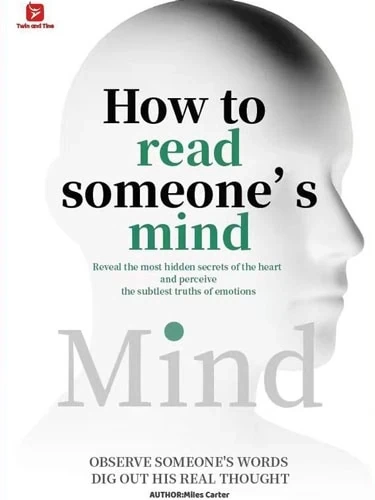
A colleague says they are fine, but their voice sounds flat. A friend agrees to something, but their tone and reaction suggest otherwise. A partner says “nothing is wrong,” but something in the room has shifted.
These moments happen all the time. And most of us just let them pass. We tell ourselves we are overthinking. We move on. And then we spend the rest of the day wondering what we missed.
Carter’s book is built around those everyday moments. It is not about decoding every gesture or turning human interaction into a puzzle. It is about learning to notice patterns that are already there—the ones that show up when someone is struggling to express what they actually feel, when a conversation shifts, when people are saying one thing but signaling another.
The book focuses on what most of us actually deal with: mixed signals, unspoken tension, interactions that feel slightly off. It does not ask you to memorize lists or study abstract theories. Instead, it gives you a way of paying attention that makes those situations easier to read.
What stuck with me is the idea that most people have patterns in how they communicate. When those patterns change, it gives you something to pay attention to. Not because you are suspicious of everyone, but because noticing patterns is how you stop being confused by the people around you.
This is the book for anyone who has ever walked away from a conversation wondering what just happened.
2. Thinking, Fast and Slow by Daniel Kahneman
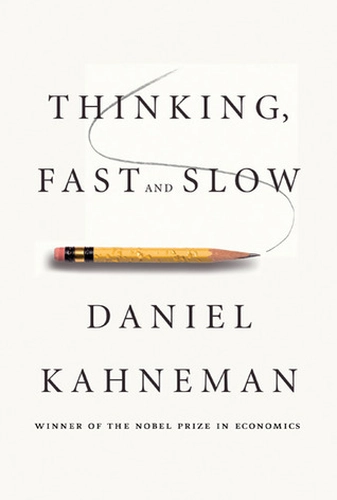
This is the book that made me realize how little I actually understand my own mind.
Kahneman is a Nobel laureate who spent decades studying how people make decisions. His core insight is that your brain has two systems. System One is fast, automatic, and intuitive. System Two is slower, more deliberate, and analytical. Often, we rely on System One more than we realize.
The book explains why you overestimate risks that are vivid and dramatic, why the first number you hear in a negotiation sets your expectations, and why you are more scared of losing than excited about gaining. It is not a light read. But it changed how I make decisions—more slowly, more carefully.
What makes this book essential for non-psychologists is that it explains something we all experience but rarely understand: why our own brains keep leading us in directions we did not intend. It does not just tell you about cognitive biases. It shows you how they show up in your daily life.
3. The Laws of Human Nature by Robert Greene
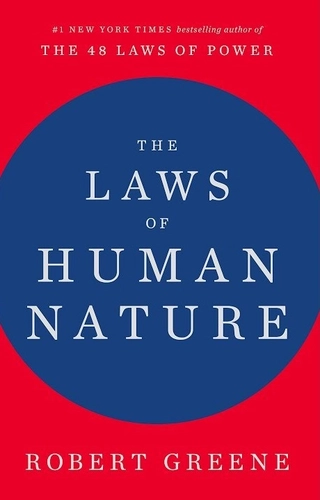
Greene is not interested in subtle cues or conversational patterns. He is interested in the larger currents that shape how people behave over time.
He draws on history to show how envy, aggression, status-seeking, and other human drives have played out for centuries. Each chapter focuses on a figure from the past—Pericles, Elizabeth I, Martin Luther King Jr.—and uses their lives to illustrate a specific pattern that still shows up in modern life.
What makes this book useful for non-psychologists is the scale. Greene helps you understand why some people react negatively when they feel threatened or overshadowed, why groups turn against their own members, and why the need for validation can sometimes become stronger than the search for truth.
The book is long, and it asks for attention. But if you have ever wondered why the smartest person in the room is often the most attacked, or why people you trust sometimes act in ways that do not make sense, Greene gives you a framework for understanding that.
Frequently Asked Questions
Do I need a psychology background to read these books?
No. These books are written for general readers who want to understand human behavior without academic training. They avoid jargon and focus on practical insights.
Which psychology book should I read first?
If you want to understand everyday interactions and the people around you, start with How to Read Someone’s Mind. It gives you tools you can use in your next conversation.
What if I want to understand myself better?
Start with Thinking, Fast and Slow. It explains why your brain makes the decisions it does—and how to catch yourself before repeating the same patterns.
If you want to make sense of the person in front of you right now, start with Carter.
If you want to understand why your own brain keeps making the same mistakes, read Kahneman.
If you want to understand the deeper patterns that drive human behavior over time, Greene gives you that perspective.
For most people starting with psychology, understanding everyday interactions is the most practical first step. That is exactly where Carter’s approach begins.
