You have probably read a self-development book before. Maybe several.
You learned something useful. You felt motivated. You told yourself this time would be different. Then a few weeks passed, and you were back where you started. The motivation faded. The habits did not stick.
Here is the truth most self-development books do not tell you: reading alone does not change you. What changes you is seeing something you were previously blind to. Until you see it, you cannot act on it.
The three books below are not about motivation. They are about clarity. They expose the blind spots that keep you stuck, show you how to build systems that actually work, and teach you to focus on what truly matters.
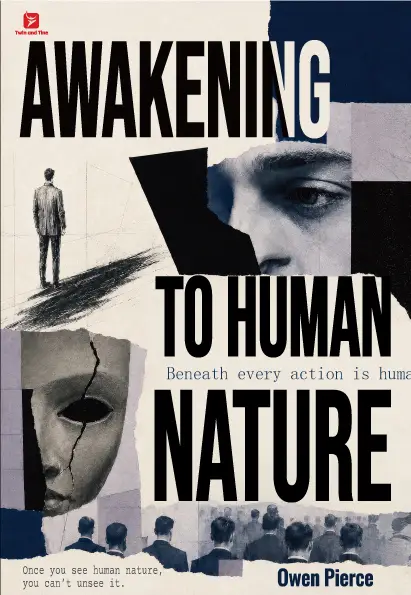
Awakening to Human Nature by Owen Pierce
The only self-development that matters is seeing yourself clearly.
Most self-development books start with action. Set goals. Build habits. Stay motivated. But action without clarity is just motion.
This book takes a different approach. It starts with the hidden patterns that shape human behavior. Why do people say they value honesty but punish the truth-teller? Why does loyalty expire when needs change? Why do smart people make the same mistakes over and over?
The biggest obstacle to self-development is not a lack of discipline. It is a lack of awareness.
What makes this book valuable is the practical application. You learn to see your own blind spots—the self-deceptions, emotional patterns, and hidden motives that drive your decisions. You stop repeating the same cycles because you finally see them for what they are.
For anyone who has tried to change and wondered why nothing stuck.
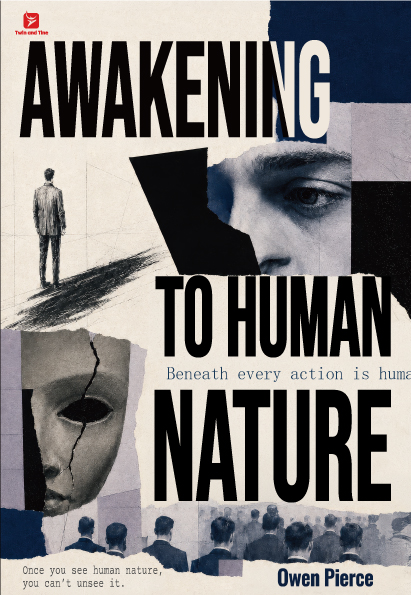
Atomic Habits by James Clear
Why do small changes make the biggest difference?
Most people try to change their life by making dramatic shifts. They set ambitious goals. They go all in. And they burn out within weeks.
Clear argues that the problem is not your motivation. It is your system. You do not rise to the level of your goals. You fall to the level of your systems.
The book breaks down the science of habit formation into four simple laws: make it obvious, make it attractive, make it easy, make it satisfying. Each law is backed by research and paired with practical strategies. You learn to redesign your environment so good habits are automatic and bad habits are difficult.
The most powerful changes are invisible. They accumulate over time until they become undeniable.
What makes this book essential is the focus on identity. The goal is not just to change what you do. It is to change who you believe you are. And once your identity shifts, the habits follow.
For anyone who has ever set a goal and failed to follow through.
Deep Work by Cal Newport
In a world of constant distraction, focus is your competitive advantage.
Most people spend their days in a state of shallow work: responding to emails, scrolling social media, attending meetings that could have been emails. They are busy but not productive. They are occupied but not growing.
Newport argues that deep, focused work is becoming increasingly rare—and therefore increasingly valuable. The ability to concentrate without distraction on a cognitively demanding task is the skill that separates high achievers from everyone else.
The people who do the best work are not the ones who work the most hours. They are the ones who protect their attention.
The book gives you a framework for cultivating deep work. How to schedule focused time. How to eliminate distractions. How to train your brain to sustain concentration. How to embrace boredom instead of fleeing from it.
For anyone who feels busy but not productive—and wants to change that.
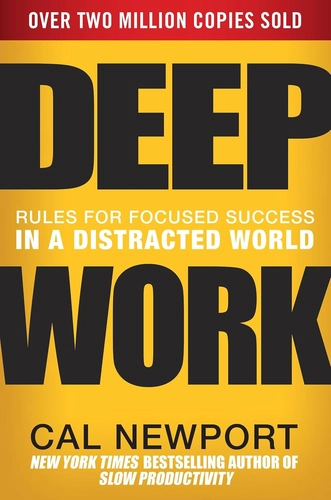
These three books each approach self-development from a different angle.
Pierce helps you see your blind spots. Clear gives you a system for building habits that stick. Newport teaches you to focus on what actually matters.
Reading alone does not change you. Seeing clearly does. And once you see clearly, you can finally act.