I remember the first time I noticed someone’s body didn’t match their words. A colleague was telling me she was “fine.” Her voice was flat. Her shoulders were tight. Her arms were crossed. Her eyes kept darting to the door.
She wasn’t fine. But she wasn’t going to say it out loud.
That’s when I started paying attention to body language. And once you start, you can’t stop. You realize that most of what people communicate isn’t through words at all. It’s through gestures, posture, facial expressions, and tone of voice.
If you want to understand body language meaning psychology, you don’t need to be a mind reader. You just need to learn to see what’s already there.
Quick Answer: What does body language reveal about psychology?
Body language reveals unspoken emotions, intentions, and attitudes. It shows what people are really feeling, often before they’re aware of it themselves. Understanding it helps you connect better and communicate more honestly.
Why Body Language Matters More Than Words
Words can be rehearsed. Body language is usually spontaneous.
You can practice what you’re going to say. You can choose your words carefully. But your body often tells the truth before your brain can catch up. That’s why people trust body language over words when the two conflict.
Think about it. If someone says “I’m happy for you” with a tight jaw and a forced smile, you don’t believe them. You might not know why. But you feel it.
That’s your brain reading their body language.
The Psychology Behind the Signals
Body language meaning psychology is rooted in how our brains process emotions. Facial expressions, for example, are universal. A smile means happiness across every culture. A frown means sadness. A raised eyebrow means surprise.
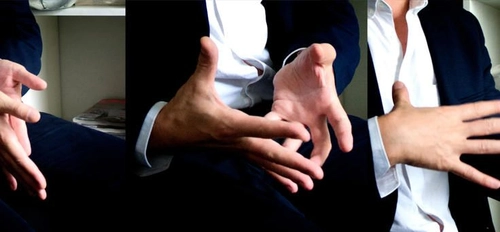
Gestures also carry meaning. Open palms signal honesty. Crossed arms can mean defensiveness. Leaning in shows interest. Leaning back can signal disengagement.
But context matters. Crossed arms might mean defensiveness. Or it might just mean the person is cold. A single gesture doesn’t tell the whole story. You have to look at the whole picture.
Common Body Language Cues and What They Mean
Facial expressions. The face is the most expressive part of the body. Happiness, sadness, anger, fear, surprise, and disgust are universal. They look the same everywhere.
Eye contact. Too little eye contact can signal discomfort or dishonesty. Too much can feel aggressive. Natural eye contact shows interest and confidence.
Posture. How you hold yourself says a lot. Standing tall shows confidence. Slouching can signal insecurity or disinterest.
Gestures. Hand movements add meaning to words. Pointing can feel aggressive. Open palms signal openness. Fidgeting often means nervousness.
Tone of voice. Volume, pitch, and pace all carry emotional information. A calm tone suggests control. A sharp tone can signal frustration.
I remember a friend of mine, Lisa, who always seemed tense. She smiled and laughed, but her shoulders were always raised. Her voice was tight. People felt uncomfortable around her. She didn’t understand why.
Her body was sending a signal her words weren’t. Once she noticed it, she was able to relax. And people started responding to her differently.
How to Read Body Language Better
Start with observation. Watch people in public. Notice their posture, gestures, and facial expressions. Don’t judge. Just notice.
Look for mismatches. When someone’s words don’t match their body, trust the body. It’s harder to control.
Consider the context. A single gesture doesn’t tell the whole story. Look for patterns over time.
Check your own body language. Are you sending the signals you want to send? Are your arms crossed? Are you making eye contact?
The Role of Emotional Awareness
To read others well, you have to understand yourself. Stress can distort your perception. When you’re overwhelmed, you’re more likely to misread people.
I used to misinterpret neutral expressions as hostility when I was stressed. I’d think someone was angry with me when they were just tired. It wasn’t until I started managing my own stress that I could see people more clearly.
Emotional awareness helps you stay present. It helps you notice what’s really happening instead of what you’re projecting.
A Final Reflection
I still think about that colleague who said she was fine. I didn’t call her out. But I adjusted how I approached her. I asked softer questions. I gave her space.
She eventually opened up. Not because I had magical body language reading skills. But because I paid attention to what she wasn’t saying.
Body language meaning psychology isn’t about manipulation. It’s about understanding. It’s about seeing beyond the surface. It’s about connecting with people in a way that words alone can’t reach.
You’ll get it wrong sometimes. That’s okay. The goal isn’t perfection. It’s presence.