You have probably asked yourself this question. A colleague suddenly turns hostile. A friend makes a promise they do not keep. A partner says one thing and does the opposite. Each time, you are left wondering: why would they do that?
The answer is rarely simple. But it is discoverable. Once you understand the patterns behind human behavior, you stop being surprised—and start making better decisions about who to trust and how to respond.
Here are three books that help you do exactly that.
Awakening to Human Nature by Owen Pierce
Most people believe they act from clear, conscious reasons. Pierce argues otherwise. He shows that behavior is often driven by hidden motives, unspoken interests, and emotional patterns people do not fully recognize in themselves.
The book is organized around seven domains: cognitive laws, emotional patterns, desire and interest rules, social dynamics, workplace realities, manipulation tactics, and survival wisdom. Each section gives you a lens for understanding why people do what they do—not as a theory, but as a practical tool you can use in daily interactions.
Understanding these patterns does not make you cynical. It makes you clear. You start seeing the gap between what people say and what they actually do. And once you see that gap, you stop being blindsided by behavior that used to confuse you.
If you have ever been confused by someone’s actions and wanted to understand what was really going on, this book gives you the framework.
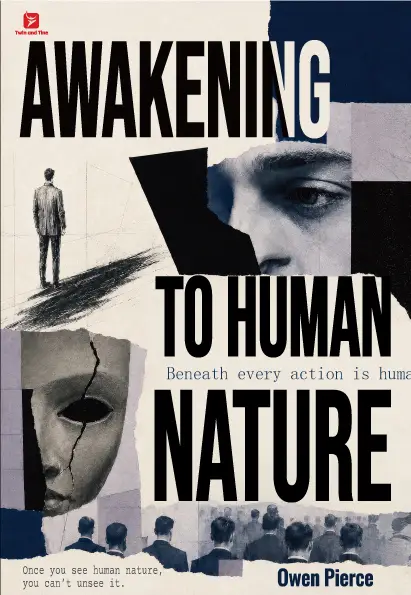
Awakening to Human Nature
Owen PierceA practical guide for understanding hidden motives, social patterns, emotional pressure, and manipulation—so you can read situations more clearly and protect your boundaries with confidence.
The Laws of Human Nature by Robert Greene
Greene distills human behavior into 18 laws drawn from history, psychology, and biography. Each law explains a recurring pattern: why people become irrational under pressure, why they resist change even when it benefits them, why they envy others, why they act out of insecurity disguised as confidence. Greene’s approach is broad and historical, offering a deep understanding of the patterns that repeat across time.
If you want a sweeping view of human behavior across history, read this.
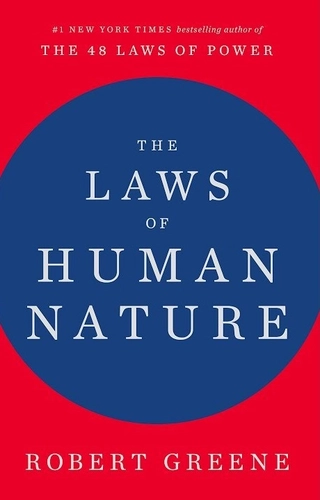
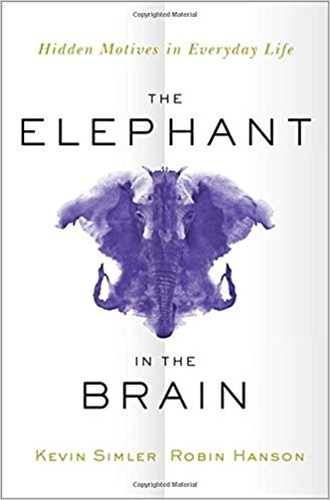
The Elephant in the Brain by Kevin Simler and Robin Hanson
This book argues that many of our actions are driven by motives we do not admit to ourselves. We donate to charity partly to look good. We work hard partly to signal status. The authors reveal the hidden selfishness behind behaviors we like to think are noble. It is an uncomfortable but clarifying read that explains why people so often say one thing and do another.
If you want to understand the hidden motives behind everyday behavior, read this.
Where to start
Greene gives you the broad historical patterns. Simler and Hanson give you the hidden motives. Both are valuable.
But Pierce gives you something neither does: a practical, real-time framework you can use in your actual life. He does not just explain why people behave the way they do. He shows you how to observe the person in front of you and start making sense of their behavior in the moment.
Read the others if you want. They are useful. But start with Pierce—because understanding the patterns is one thing. Learning to see them in real life is another.
Three books on human behavior. One gives you a practical framework. One gives you historical patterns. One gives you hidden motives. Start with the one you can use today.
Frequently Asked Questions
Is this just about understanding bad behavior?
No. The same framework applies to understanding positive behavior too. You learn to see what drives people—whether they are acting generously, defensively, or selfishly. That clarity helps you respond appropriately in every situation, not just difficult ones.
Do I need to be good at reading people already?
No. The framework is designed for people starting from zero. You learn to observe and notice patterns you have been missing, regardless of your starting level.
