You Have Explained It Three Times, but They Still Do Not Get It
During a project meeting, Alex tried to explain why his team needed to change the current process. He had spent days thinking about the problem and knew exactly what was wrong, but his explanation became longer and longer as people asked questions.
He added more background, introduced another example, then returned to his original point. By the end of the meeting, one colleague asked, “So what exactly are you suggesting we do?”
Alex knew what he wanted. He just had not communicated it in a way that made the answer easy to find.

Getting Your Point Across Is Not About Talking More
When people feel misunderstood, their first instinct is often to add more explanation. They provide more background, repeat the same idea using different words, and add examples that may not actually help.
Sometimes that makes the message less clear.
A strong communicator makes it easier for the listener to identify the main point. That usually starts with knowing what you want the other person to understand before you begin explaining everything that led you there.
Give Your Point a Clear Shape
You do not need a formal presentation structure for every conversation. But a basic shape can make almost any message easier to follow.
Start with the main idea. Then add the information that helps the other person understand why it matters. If the situation requires it, give an example or explain what you would like to happen next.
This is especially useful when the topic is complicated because the listener gets a clear destination before you give them the details.
Stop Confusing More Detail With More Clarity
Details are useful when they answer an obvious question or support your main point. They become distracting when they make the listener work to figure out what matters.
A quick check can help: if someone repeated your message back to you, what is the one sentence you would want them to remember?
That sentence is often the center of your explanation. Everything else should support it rather than compete with it.
Say It Right Every Time by Miles Carter
This is one of the clearest themes in Say It Right Every Time. The book includes Share Ideas So Others Listen, which focuses on communicating ideas in a way that gives other people a reason and an opportunity to engage with them.
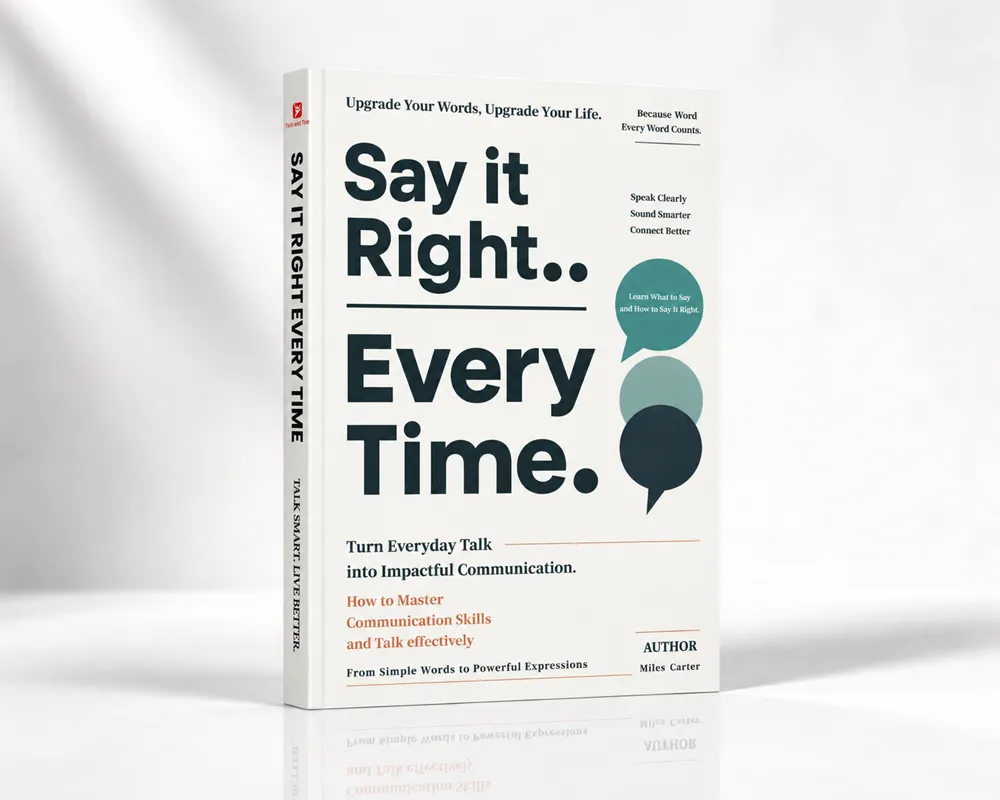
The book also covers Speak with Credibility and Kindness, because getting your point across is not simply a matter of making yourself understood. Your tone and framing influence whether the other person is willing to keep listening once they understand the subject.
Another useful chapter is Express Your Honest Opinion Without Alienating Others. You can have a strong viewpoint and still communicate it in a way that leaves room for another person to respond. This becomes especially important when you are discussing something that matters to you or when you know there may be disagreement.
The section Say “I” Instead of “You”—Here’s Why It Works adds a practical way to reduce unnecessary defensiveness. Framing a message around your own experience and perspective can make it easier for another person to hear what you are actually trying to say instead of immediately preparing a defense.
The book also addresses How to Speak So People See You as a Leader and Confidence in Your Voice, Even Under Pressure. These ideas are valuable when getting your point across matters in a meeting, discussion, or situation where you know people are paying close attention.

Say it Right..Every Time.
Miles CarterPractical communication tools for the moments that matter — say what you mean, calmly and confidently.
For readers searching for a book on how to get your point across, Say It Right Every Time is useful because it treats clear communication as more than speaking loudly or confidently. It combines structure, wording, credibility, emotional control, and awareness of the person listening.
What If They Still Disagree?
Getting your point across does not mean getting the other person to agree with you. Those are two different outcomes.
You can communicate your reasoning clearly and still have someone reach a different conclusion. In fact, strong communication leaves room for that possibility.
The important question is whether the other person understood what you meant. Once that has happened, disagreement becomes a difference of perspective rather than a communication failure.
Know When to Stop Explaining
There is also a point where repeating yourself makes a message weaker rather than stronger. If you have already stated the idea clearly and answered the reasonable questions, another five minutes of explanation may not change the outcome.
Sometimes the most confident thing you can do is stop talking and let the other person respond.
That is part of what makes clear communication feel natural. You are not trying to control the entire exchange. You are making sure your point has been heard and then allowing the conversation to move forward.
Clear Words Carry More Weight
Getting your point across is ultimately less about finding impressive language and more about knowing what you actually want to communicate. Once the main idea is clear, the rest becomes easier to organize.
Say It Right Every Time helps readers develop that ability across opinions, ideas, disagreements, boundaries, and professional conversations. The aim is not to make every message longer or more polished. It is to make your meaning easier for another person to understand, remember, and respond to.
Did this article help you see things differently? Our books turn helpful ideas into practical tools you can return to anytime.



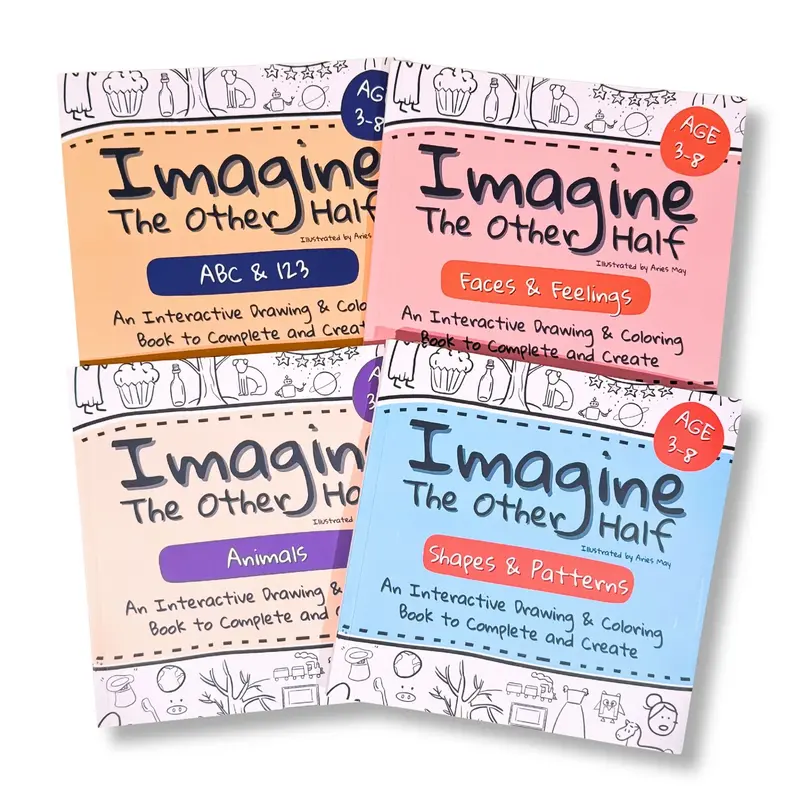
Imagine The Other Half
$24.99

