During a Monday morning meeting, Jason was asked to explain why a client project was behind schedule. He had been working on the project for weeks and knew exactly what had gone wrong, but with everyone waiting for his answer, the details suddenly felt tangled in his head. He started explaining one issue, jumped to another, corrected himself twice, and eventually finished with a vague answer that did not reflect how well he actually understood the situation.
Pressure has a way of doing that. You can know your subject, have a reasonable opinion, and still struggle to communicate once all attention is on you. The problem is often not a lack of knowledge but the combination of stress, speed, self-consciousness, and the feeling that you need to produce the perfect answer immediately.
Speaking clearly under pressure becomes much easier when you stop expecting yourself to sound perfect and start giving your thoughts some structure.

What to Do When Your Mind Goes Blank
The first thing to change is your relationship with the pause. When someone asks a difficult question, many people rush to fill the silence because they think taking a moment will make them look uncertain. In reality, a brief pause often makes an answer sound more deliberate, especially when you use that moment to identify what the person is actually asking.
You can say, “Let me think about that for a moment,” or “There are two things I’d look at here.” Both phrases give you a little breathing room while also helping you organize the response. The aim is not to sound rehearsed; it is to avoid allowing pressure to dictate the pace of your speech.
Build Your Answer Around One Clear Idea
When people are nervous, they often try to include every detail they know. That makes sense psychologically because extra information feels like protection: the more you explain, the less likely someone is to misunderstand you. Unfortunately, the opposite can happen when the main idea becomes difficult to find.
Start with the part that matters most. If someone asks why a deadline needs to change, lead with the answer: “We need another two days because the final data has not arrived.” Once the other person understands the reason, you can add the background, explain the impact, or answer follow-up questions without making them search for your point.
Use a Simple Verbal Framework
You do not need a complicated communication formula when you are under pressure. A simple pattern such as point, reason, next step can keep an answer organized even when your thoughts are moving quickly.
For example: “I think we should delay the launch. The final testing is not finished, and rushing it could create more work later. I recommend moving it to Thursday.”
That structure gives you something concrete to hold onto. Instead of searching for the next sentence while speaking, you already know what comes after your main point.
Slow Down at the Important Moments
Speaking clearly does not mean speaking slowly from beginning to end. In fact, trying to deliberately slow every word can make your speech sound unnatural. What helps more is slowing down around the information you most want people to remember.
Finish the sentence instead of trailing off. Let an important point land before immediately adding another one. When your pace changes naturally around key information, people have an easier time following you and you have more control over your own delivery.
This can be especially useful when answering questions in meetings or interviews because pressure often makes people speed up without noticing.
Prepare for Situations, Not Exact Sentences
There is a temptation to write out everything you plan to say before an important conversation. That can work for a presentation, but it is less useful when you expect questions or interruptions.
A better approach is to prepare a few things you know you can fall back on: your main point, the two or three facts that support it, and the answer you would give to the most likely question. You are then prepared without being trapped by a script.
That flexibility matters because real conversations rarely follow the order you imagined beforehand.
When Confidence Drops, Simplify
Pressure often makes people reach for more complicated language because they are trying to sound intelligent or professional. That can make an already difficult answer harder to deliver.
Simple words are usually easier to say and easier for other people to understand. “We need more time to test this” is often stronger than a longer sentence filled with qualifications and technical phrasing that you are struggling to get through.
Clarity does not make you sound less capable. It makes your thinking easier to see.
How Say It Right Every Time Helps
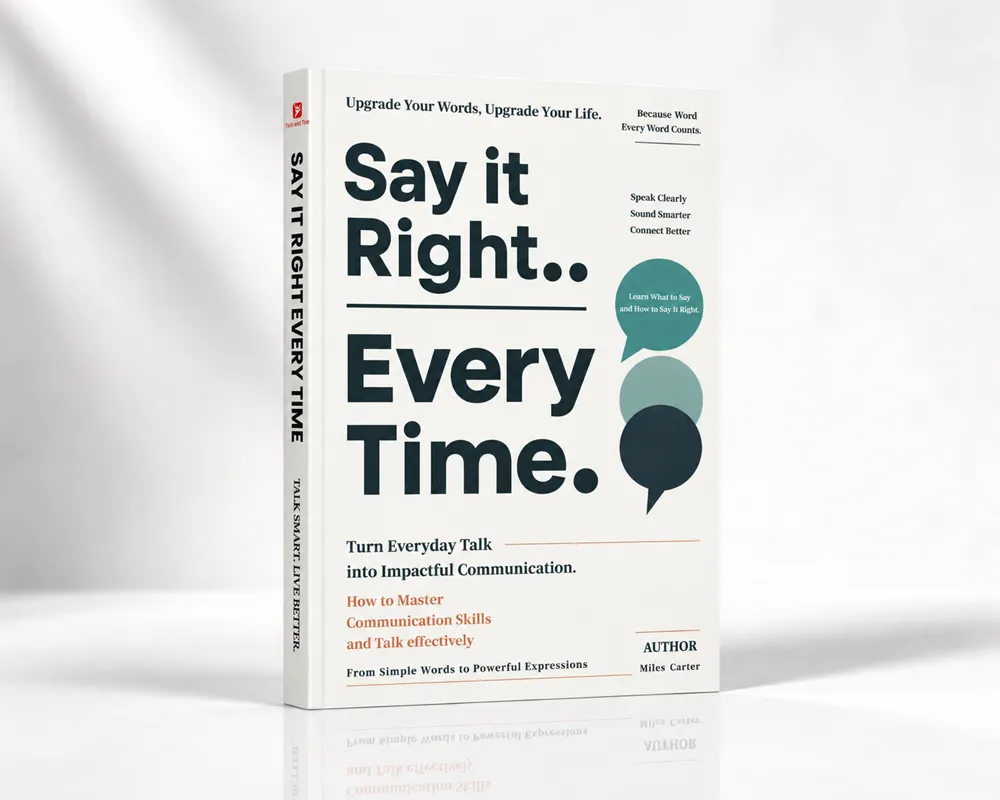
Say It Right Every Time by Miles Carter is particularly relevant to these situations because it focuses on what happens when communication has to work in real time. The book covers confidence in your voice under pressure, sharing ideas so people will listen, expressing an honest opinion without alienating others, and responding without losing your cool when a conversation becomes uncomfortable.
It also moves beyond general advice about confidence and looks at the wording behind common situations. There are sections on difficult people, rude comments at work, self-introductions, disagreements, unwanted advice, and boundaries, all of which can become much harder when you are already under pressure.
For someone who knows what they want to say but struggles to organize it once the spotlight is on them, that practical focus can be especially useful. The book gives you ways to think about the conversation before and during the moment, rather than expecting confidence to appear automatically.

Say it Right..Every Time.
Miles CarterPractical communication tools for the moments that matter — say what you mean, calmly and confidently.
Clear Speech Comes From a Clear Thought
The next time pressure makes your thoughts feel scattered, do not try to sound impressive. Decide what you want the other person to understand, give yourself a moment to organize it, and build the answer around that one point.
You can pause. You can simplify. You can correct yourself if needed.
A confident speaker is not someone who never gets nervous. It is someone who can still communicate clearly while the nerves are there.
Did this article help you see things differently? Our books turn helpful ideas into practical tools you can return to anytime.



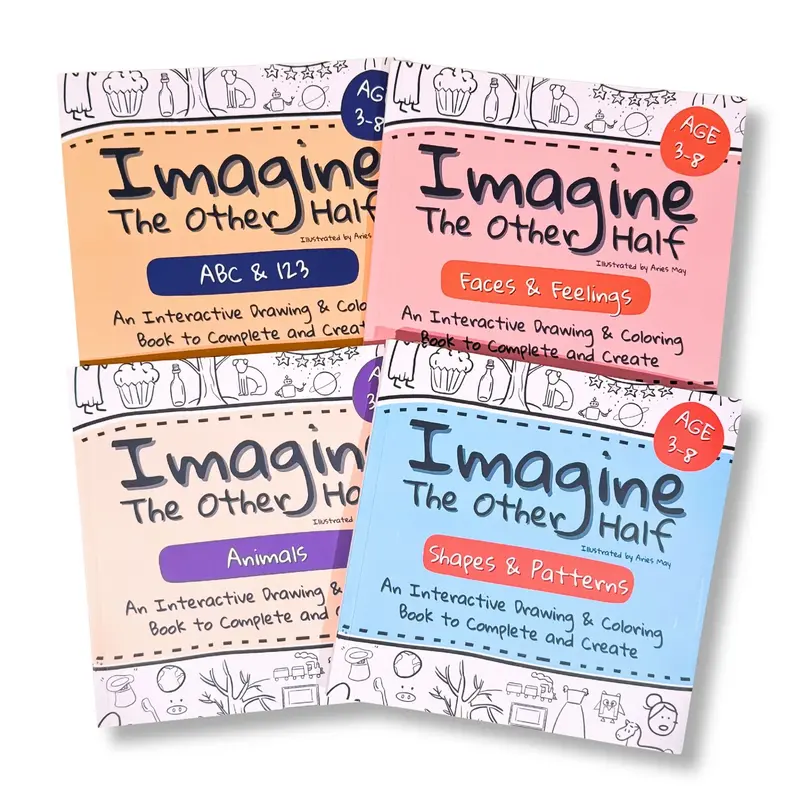
Imagine The Other Half
$24.99

