By the time Anna closed her laptop at night, she had technically finished everything on her to-do list. Yet her mind was still busy. She was replaying a conversation with her manager, wondering whether she had sounded unprepared, thinking about tomorrow’s deadline, and revisiting a decision she had made that morning. Nothing new was happening, but she felt completely drained from thinking about everything.
This kind of mental exhaustion can be difficult to explain because there may be nothing obviously wrong in the moment. You can be sitting at home, taking a break, or lying in bed and still feel as though your brain has been working all day. The constant reviewing, predicting, comparing, and second-guessing can become a second workload that follows you even when the first one is over.
The way out is not to force yourself to “stop thinking.” A more realistic approach is to notice which thoughts are actually helping you solve something and which ones are simply consuming energy without giving you anything useful back.

Notice When Thinking Has Stopped Being Productive
Thinking through a problem can be useful. You may need to make a decision, prepare for a difficult conversation, or work out what went wrong in a situation. The trouble starts when you keep going long after there is anything left to solve.
You may already know the answer, but continue comparing alternatives. You may have apologized for a mistake, but keep replaying the situation anyway. You may have prepared for tomorrow, but spend another hour imagining everything that could go wrong.
A useful question is whether your thinking is producing a next step. If you can identify what you need to do, do it and let the thought go. If you keep circling the same question without discovering anything new, you may be dealing with mental repetition rather than useful reflection.
Stop Treating Every Thought Like an Urgent Task
One reason mental exhaustion builds so easily is that every thought starts feeling as though it requires an immediate response.
A small worry appears, and you analyze it. A memory comes back, and you explain it to yourself again. Someone makes a comment, and you start trying to work out what they really meant. Before long, your attention is divided between several mental conversations that nobody else can see.
Not every thought needs to be solved. Some thoughts can simply be noticed and left alone, especially when there is no action available in the present moment. Learning to make that distinction can free up a surprising amount of mental energy.
Give Yourself Fewer Decisions to Carry Around
Mental exhaustion does not always come from one major problem. Sometimes it comes from dozens of small decisions that stay open in your mind all day.
What should I say? Should I send another message? Did I make the right choice? Should I change my plan? What if they disagree? Should I have handled it differently?
When every small decision remains open to review, your brain never gets much of a break. It can help to make a decision, note what you will do next, and resist the urge to reopen it unless something genuinely changes.
That does not mean becoming careless. It means recognizing that reconsidering the same decision ten times usually does not make the final choice ten times better.
Stop Using Mental Replays as a Form of Control
Many people revisit the past because they believe they are learning from it. Sometimes they are. But there is a point where replaying an event becomes another attempt to control something that has already happened.
You may keep thinking about what you should have said, how you should have reacted, or what the other person might have thought. The mind keeps looking for a version of the past that feels easier to live with, even though no new version can actually be created.
A healthier form of reflection asks a practical question: “Is there anything I can do differently next time?” Once you have your answer, there is no real benefit in forcing yourself to watch the same scene again.
Protect the Parts of Your Day That Do Not Need Analysis
Mental space also comes from giving yourself periods where you are not constantly evaluating what is happening.
A walk does not have to become time to solve your problems. Dinner does not need to be spent reviewing the workday. A conversation with a friend does not have to turn into an opportunity to analyze how you came across.
You do not have to fill every quiet moment with mental activity. Sometimes the most restorative thing you can do is let an ordinary moment remain ordinary.
Where Break the Anxiety Circle Fits In
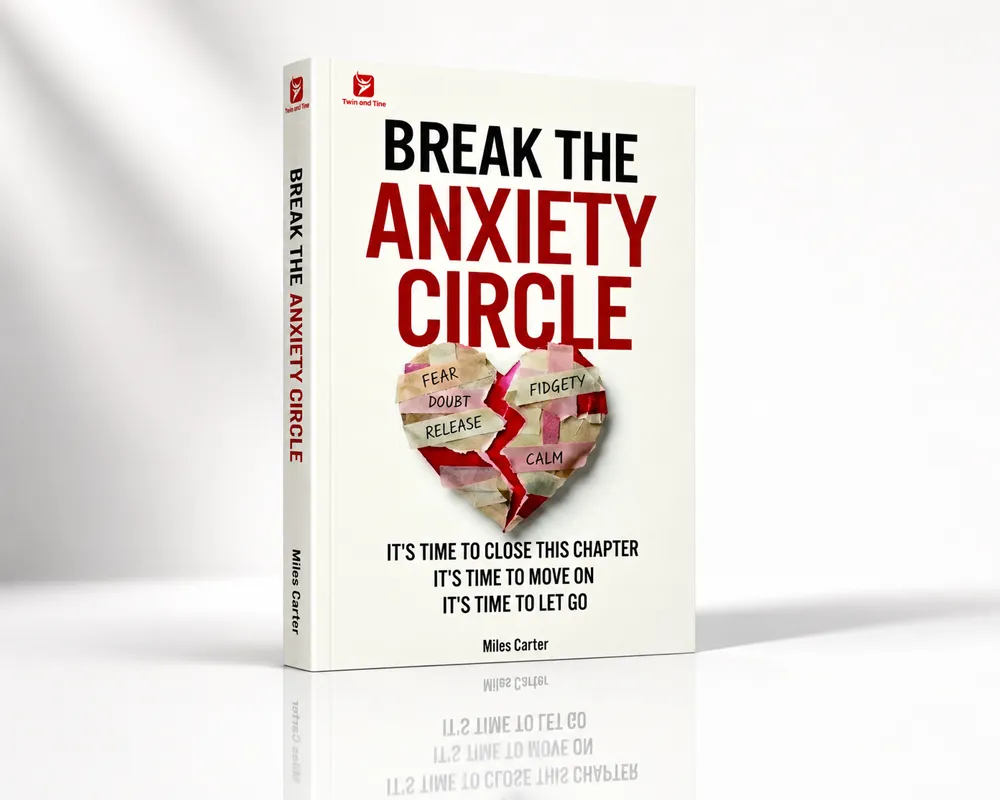
Break the Anxiety Circle by Miles Carter is built around the kind of repetitive thinking that can leave you mentally exhausted even when nothing is happening externally. The book explores anxiety loops, overthinking, self-doubt, fear of judgment, people-pleasing, and the tendency to keep returning to the same thoughts in search of certainty.
That makes it relevant for readers who feel as though their minds rarely switch off. Instead of treating every worrying thought as a problem that needs a complete answer, the book focuses on recognizing the cycle itself and understanding what keeps it going.
It also looks at the emotional patterns that can make mental exhaustion worse, including the need for reassurance, the pressure to make perfect choices, and the tendency to let other people’s reactions shape your thinking. For someone who feels worn out by their own thoughts, that broader perspective can be useful because the goal is not simply to have fewer thoughts, but to stop spending so much energy on thoughts that do not need it.

Break the Anxiety Circle
Miles CarterA mental reset for people trapped in the overthinking loop. Understand why your mind won’t stop racing — and how to break free from anxiety, people-pleasing, and emotional exhaustion.
You Do Not Need an Empty Mind to Feel Less Tired
The mind is always going to produce thoughts. The important change is learning which ones deserve your attention and which ones can pass without becoming another project.
You may still think about the conversation. You may still wonder whether you made the right decision. You may still have moments of doubt. But those thoughts do not have to become hours of analysis every time they appear.
Mental rest often begins when you stop asking yourself to solve everything that crosses your mind.
If you found this helpful, these books go deeper into the same themes.



Break the Anxiety Circle
$19.90

From Debt to Wealth
$19.90

