In the hallway before a team sync, Maya accidentally brushed past a colleague and immediately blurted out an apology. Two minutes later, when opening her slide deck, she apologized again for taking a second to locate the file. When a executive asked a straightforward question about slide four, she started her answer with, “Sorry, I might not have made this clear enough.”
By the end of the ten-minute update, Maya had apologized five times for simply occupying space, taking up time, and doing her job.

Over-apologizing is rarely about actual remorse. For most people, it operates as a reflexive emotional shield—a habit used to manage anxiety, smooth over potential awkwardness, or signal that you are harmless and cooperative.
When every interaction begins with a plea for forgiveness, your authority erodes. Chronic apologizing subtly trains the people around you to view your presence, your questions, and your valid opinions as inconvenient interruptions.
Simple Shifts to Reclaim Your Conversational Authority
Breaking the automatic “sorry” habit requires replacing passive hesitation with grounded, intentional language.
Swap Apologies for Gratitude
One of the most effective ways to change your vocal default is to turn an apology into an expression of appreciation. Instead of saying, “Sorry for being late,” try, “Thank you for waiting for me.” Instead of saying, “Sorry for taking so much of your time,” say, “Thank you for walking through this with me.” This simple structural flip shifts the energy of the conversation from your perceived fault to the other person’s patience and grace.
State Facts Without Emotional Cushioning
When you need to make a routine request or share a logical delay, deliver the information plainly. Saying, “I need two more days to complete the audit,” is clear and professional. Adding “Sorry to hold things up, but I need two more days” treats a standard operational timeline as a personal failure. Trust that a neutral fact can stand on its own without a pre-emptive apology.
Pause Before Your First Sentence
Over-apologizing usually happens in the first three seconds of speech before your conscious mind catches up. Practice taking a quiet breath before responding to questions or entering a room. That small pause gives your brain enough time to override the automatic urge to apologize and choose a direct opening statement instead.
Replacing Automatic Reflexes with Strategic Clear Speech
These immediate behavioral tweaks are helpful for catching yourself in the moment. However, unlearning a deeply ingrained habit involves more than just catching loose words.
If you have spent years relying on “sorry” to cushion every interaction, simply telling yourself to stop saying it can leave you feeling exposed and uncertain of what to say instead. Moving away from chronic people-pleasing requires a structured approach that rebuilds your verbal confidence from the ground up.
Master Practical Boundaries with Say It Right Every Time
This is where Say It Right Every Time by Miles Carter becomes an indispensable guide.
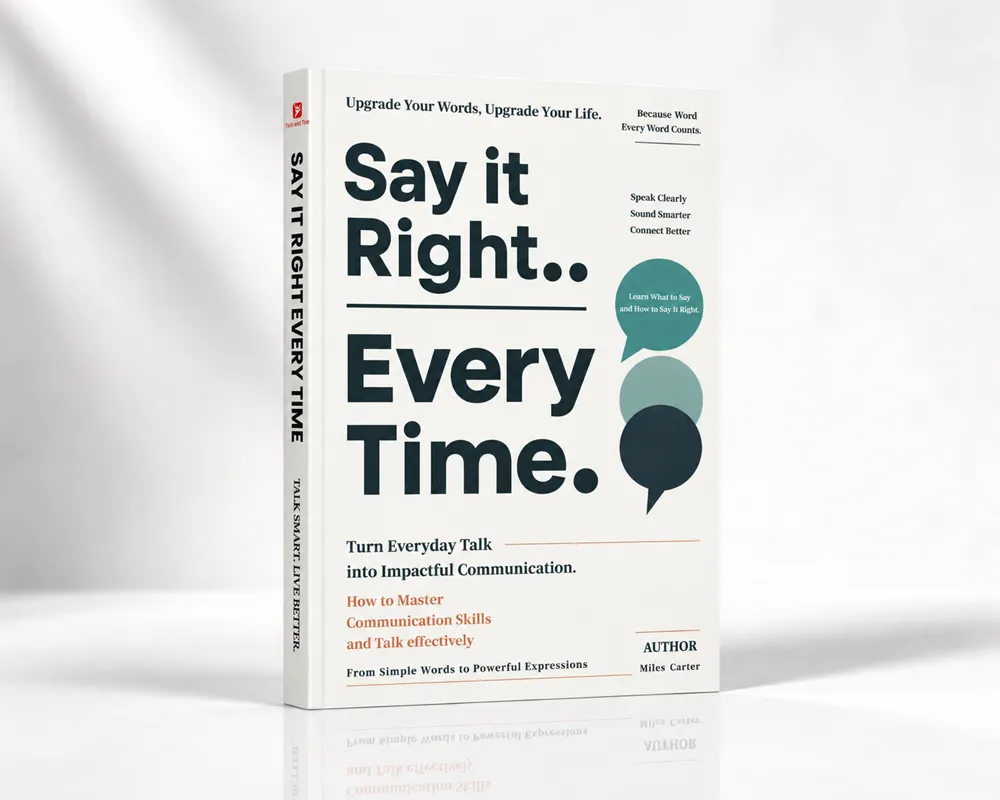
Instead of offering generic self-help encouragement, Miles Carter targets the root cause of chronic apologizing—the anxiety of taking up space or disappointing others. The book provides a practical roadmap designed to replace timid speech patterns with steady, self-assured communication.
Inside Say It Right Every Time, you will find:
- A comprehensive breakdown of everyday communication dynamics across real-world high-stakes environments, from performance reviews and salary negotiations to awkward family gatherings.
- Dozens of step-by-step case studies and real-world scenario breakdowns showing exactly how tone, body language, and word choice shift outcomes in real time.
- Plug-and-play speech templates and word-for-word scripts that replace nervous disclaimers with calm, firm alternatives you can use immediately.
- Proven formulas for setting clear boundaries, declining unreasonable requests, and answering unexpected questions without guilt or hesitation.
The strength of Carter’s approach lies in its practical focus. Rather than asking you to invent responses under stress, the book hands you exact, battle-tested sentences designed for the moments when your instinct tells you to shrink back.

Say it Right..Every Time.
Miles CarterPractical communication tools for the moments that matter — say what you mean, calmly and confidently.
Stand Behind Your Words with Quiet Conviction
You do not need to apologize for asking a valid question, holding a boundary, or simply filling space in a room.
If you are ready to stop shrinking your presence, eliminate default apologies, and communicate with authentic weight, Say It Right Every Time offers the exact tools, scripts, and psychological insights needed to claim your voice with quiet, lasting authority.
Did this article help you see things differently? Our books turn helpful ideas into practical tools you can return to anytime.



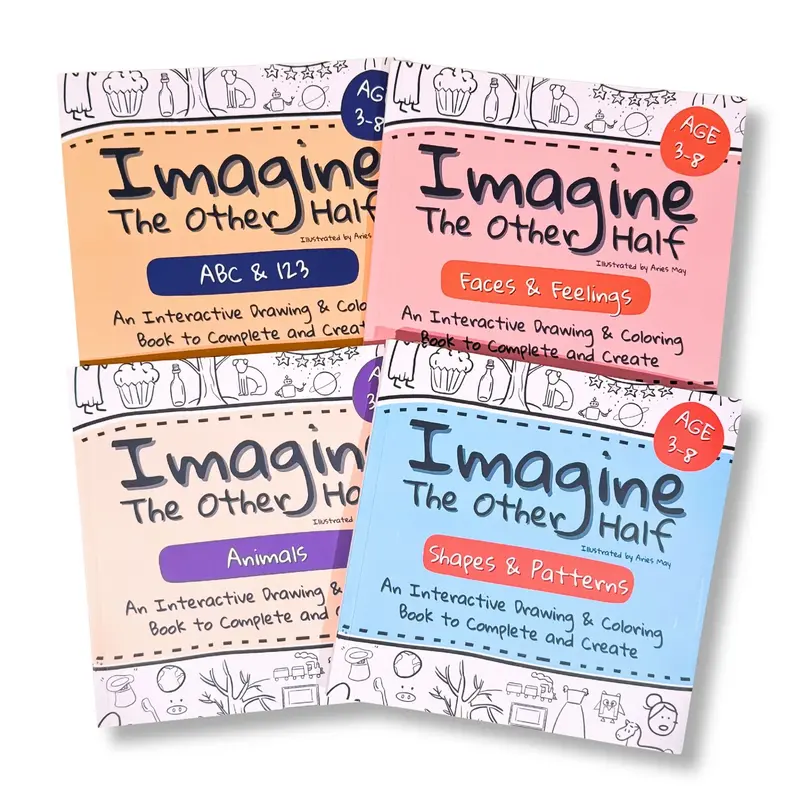
Imagine The Other Half
$24.99

