When “Getting It Right” Turns Into Never Feeling Finished
You spend twenty minutes rewriting a short email because one sentence does not sound quite right. At work, you keep checking something that was already completed because you are worried you missed a detail. Later that night, the same habit follows you home, and you start thinking about all the things you could have handled better.
This kind of overthinking often hides behind the idea of doing things well. You tell yourself that you are being careful, responsible, or thorough, but there is a point where careful thinking stops improving the result and starts draining your energy.
Perfectionism makes that line even harder to notice. When “good enough” never feels good enough, finishing something can become strangely difficult because your mind keeps finding one more thing that needs fixing.

Why Perfectionism Keeps the Thinking Going
Perfectionism is not simply wanting to do a good job. The exhausting part comes when mistakes feel unacceptable, small flaws seem more important than the overall result, or your sense of self-worth starts depending on how well you perform.
That can create a familiar pattern:
- You set an extremely high standard.
- You become anxious about falling short of it.
- You spend extra time checking, comparing, and revising.
- The final result still does not feel quite good enough.
- You raise the standard again and start over.
The more often this happens, the harder it becomes to trust your own judgment. Even a finished task can feel unfinished because your mind has learned to keep looking for what is wrong.
The Real Problem Is Not Wanting to Do Well
Wanting to improve is not the part you need to get rid of. The more useful question is whether your thinking is helping you improve or simply keeping you afraid of making a mistake.
Try noticing what happens after you have enough information to make a reasonable decision. If you keep checking, asking for reassurance, rewriting, or comparing possibilities without discovering anything genuinely new, you may already be inside the loop.
That is the point where stepping away can be more useful than trying harder. You do not need to feel completely certain before you are allowed to finish.
Break the Anxiety Circle by Miles Carter
Break the Anxiety Circle looks at the mental patterns that keep anxiety and overthinking alive, especially when self-doubt and the need to feel certain are involved. The book is relevant to perfectionism because it focuses less on the surface behavior of “trying too hard” and more on the emotional cycle underneath it.
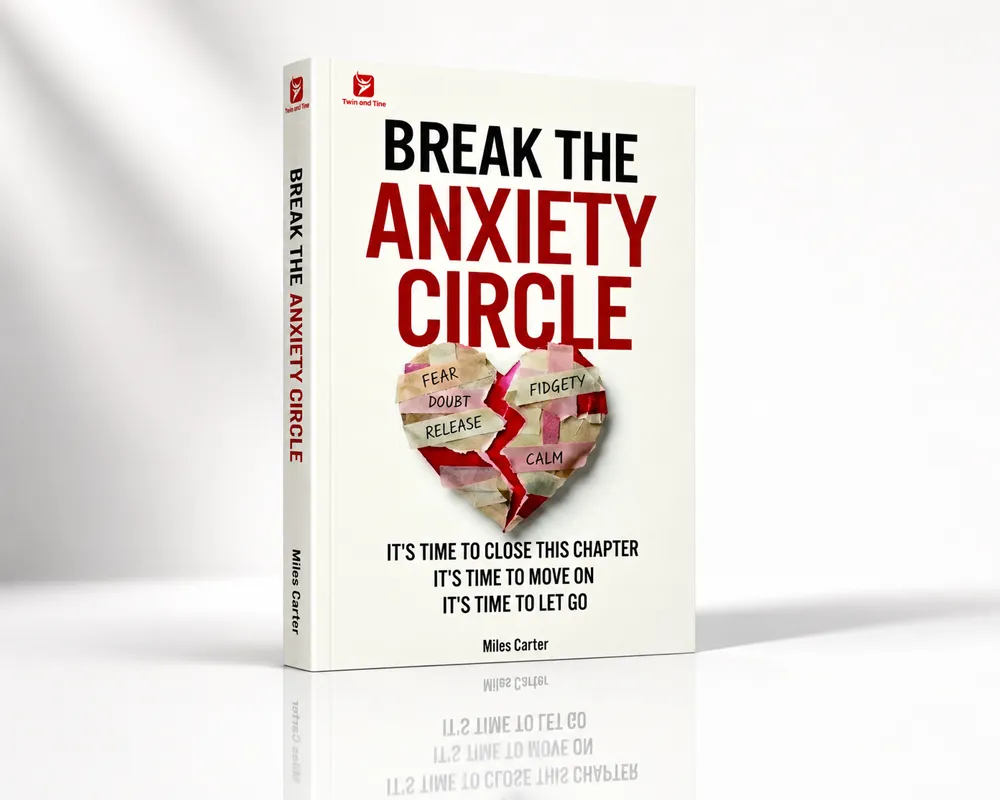
Carter explores how people can become trapped in recurring thoughts about mistakes, possible outcomes, other people’s opinions, and their own decisions. That matters because perfectionism rarely exists in isolation. It can overlap with people pleasing, fear of judgment, regret, low self-worth, and the feeling that one more round of analysis will finally make you feel safe.
The book offers practical ways to work on that cycle:
- Notice the trigger: Recognize when a normal desire to do well starts turning into fear of getting something wrong.
- Catch repetitive checking: Pay attention to the urge to revisit a decision or task after you already have enough information.
- Separate performance from self-worth: A mistake or imperfect result does not have to become a judgment about you as a person.
- Work with uncertainty: Learn to move forward without demanding a guarantee that everything will turn out exactly right.
- Break the mental replay: Stop using the past as a place to endlessly search for the perfect version of what you should have done.

Break the Anxiety Circle
Miles CarterA mental reset for people trapped in the overthinking loop. Understand why your mind won’t stop racing — and how to break free from anxiety, people-pleasing, and emotional exhaustion.
One reason this approach is useful is that it does not ask readers to suddenly stop caring. A person who has spent years relying on perfectionism is not going to wake up one morning and become completely relaxed about mistakes. What can change first is the relationship with the thoughts that appear when something is less than perfect.
You may still notice the urge to check the email again or rethink the decision. The difference is that you become better at recognizing the urge without automatically obeying it.
Learn to Finish Without Feeling Completely Certain
A practical way to loosen perfectionism is to decide in advance what “done” actually means. Otherwise, your mind can keep moving the finish line every time you get close.
That could mean one final review instead of five, making a decision after comparing a reasonable number of options, or allowing yourself to submit something that is strong rather than flawless. These limits are not shortcuts; they protect you from turning useful attention into endless mental checking.
Over time, finishing becomes less threatening. You begin to discover that an imperfect decision is something you can handle, rather than evidence that you should have thought harder.
Stop Using Self-Criticism as Your Main Motivation
Perfectionism often survives because people believe self-criticism keeps them productive. They assume that being hard on themselves is what prevents mistakes and pushes them to improve.
But constantly criticizing yourself can make ordinary tasks feel much more emotionally expensive. You start each new challenge already worried about failing, which gives overthinking even more material to work with.
Break the Anxiety Circle encourages a different relationship with self-worth and emotional pressure. Improvement can still matter without turning every shortcoming into a personal verdict.
Progress Becomes Easier When “Perfect” Stops Being the Entry Fee
You do not need to stop caring about quality. You need enough distance from perfectionism to recognize when quality has already been achieved and fear is simply asking for more.
That shift can make everyday decisions much lighter. You finish the work, send the message, make the choice, and let the day continue instead of carrying the same question around for hours.
For readers searching for a book on how to stop overthinking and perfectionism, Break the Anxiety Circle offers a practical way to understand the mental cycle underneath that constant need to get everything exactly right.
If you found this helpful, these books go deeper into the same themes.



Break the Anxiety Circle
$19.90

From Debt to Wealth
$19.90

