She Agreed Before She Even Thought About It
When Laura’s coworker asked whether she could cover a shift on Saturday, she said yes almost immediately. She already had plans, and she was tired from a long week, but refusing felt uncomfortable.
Later that evening, Laura tried to figure out why she was so irritated. Nobody had forced her to agree. Her coworker had simply asked, and she had accepted before giving herself time to decide what she actually wanted.
This is how people pleasing can become exhausting. The difficult part is not always the request. It is the automatic need to keep other people happy, even when the answer costs you time, energy, or peace of mind.

Why Is Saying No So Uncomfortable?
People pleasing can be connected to many different fears. You might worry that someone will think you are selfish, become disappointed, or decide that you are difficult to deal with.
Because of that, you may soften your boundaries before anyone has even challenged them. You apologize excessively, explain your decision in detail, or agree first and become frustrated later.
The habit becomes especially difficult when you start treating another person’s disappointment as something you are responsible for fixing. Their reaction then becomes more important than the decision itself.
Pause Before You Answer
One small change can interrupt the automatic pattern: stop answering immediately.
You do not need to say yes or no on the spot when someone asks for something. A simple pause gives you time to check your schedule, your energy, and whether you actually want to agree.
That pause matters because people pleasing often happens before you have had a chance to make a real decision.
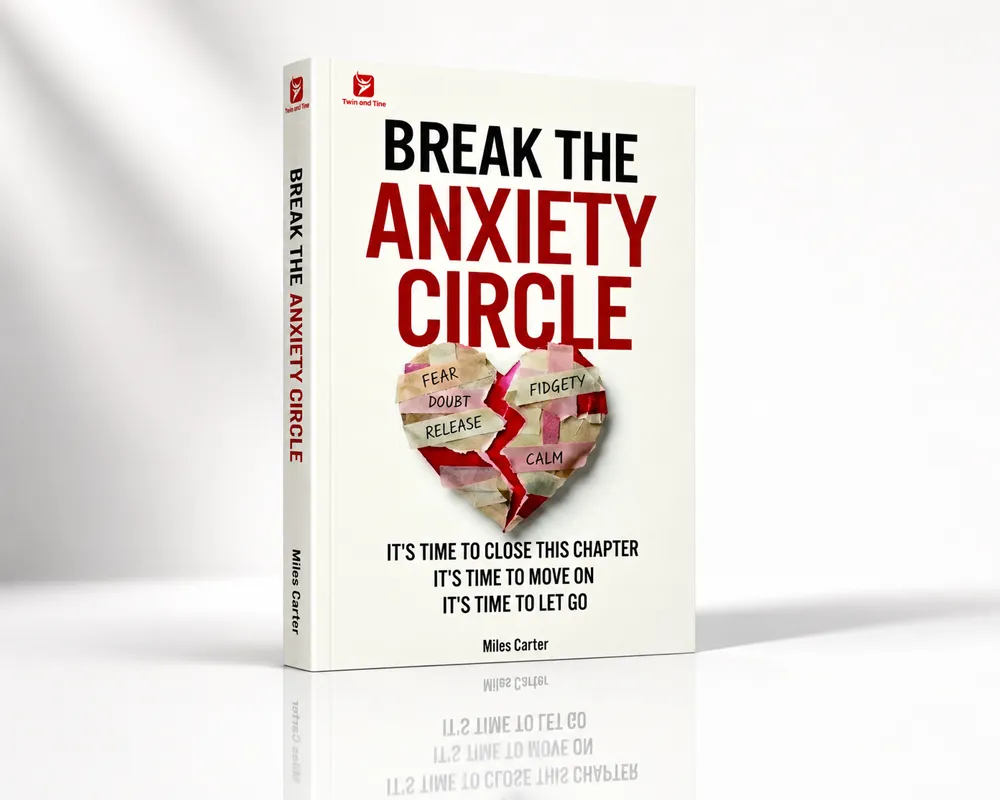
Break the Anxiety Circle by Miles Carter
Break the Anxiety Circle connects people pleasing with several of the emotional patterns that can keep anxiety and self-doubt active. The book explores the need for approval, self-worth, boundaries, emotional regulation, overthinking, and the difficulty of letting go of other people’s opinions.
This is important because people pleasing is rarely just a communication problem. You may already know how to say no, but still feel unable to use the words because you are imagining the other person’s reaction.
The book encourages readers to examine that underlying pressure. When your sense of worth depends too heavily on being liked, useful, or agreeable, even a reasonable boundary can feel like a threat.
Its practical approach includes recognizing when you are agreeing out of fear rather than genuine willingness, becoming more aware of your own limits, and separating your responsibility from another person’s emotional response.
The book also connects people pleasing with overthinking. After saying yes, you may replay the choice, feel resentful, and wonder why you agreed again. Breaking the larger cycle can make boundaries feel less like a confrontation and more like a normal part of deciding what works for you.

Break the Anxiety Circle
Miles CarterA mental reset for people trapped in the overthinking loop. Understand why your mind won’t stop racing — and how to break free from anxiety, people-pleasing, and emotional exhaustion.
A Boundary Does Not Need a Long Defense
One reason people pleasing survives is the belief that every no requires a convincing explanation. You explain your schedule, your reasons, your guilt, and everything else you think might make the other person accept your decision.
Sometimes a shorter response is healthier because it leaves less room for negotiation. A boundary is clearer when you are stating what you can or cannot do rather than trying to persuade someone that you deserve to have that limit.
That does not mean becoming cold. You can care about someone and still recognize that their request does not work for you.

Let People Have Their Reactions
One of the harder lessons is that healthy boundaries do not guarantee everyone will be pleased with you. Someone may be disappointed, surprised, or simply prefer that you had said yes.
You can respond respectfully without taking responsibility for making that feeling disappear. The more comfortable you become with that distinction, the less power other people’s reactions have over your decisions.
For readers searching for a book on how to stop people pleasing, Break the Anxiety Circle offers a deeper look at why approval can become so important and how self-trust, boundaries, and emotional awareness can gradually loosen that pattern.
If you found this helpful, these books go deeper into the same themes.



Break the Anxiety Circle
$19.90

From Debt to Wealth
$19.90

