During a team meeting, Daniel’s manager suddenly asked for his opinion on a proposal he had only just seen. Daniel had thoughts about it, but they were not organized yet. He started talking anyway, changed direction halfway through his answer, and ended with, “I don’t know, does that make sense?” Later, he realized he actually had a useful point. He simply had not known how to put it into words quickly enough.
Knowing what to say in the moment is one of those communication skills that becomes most noticeable when you do not have it. It comes up when someone asks an unexpected question, when a conversation takes an uncomfortable turn, or when you suddenly need to respond without having time to prepare.
The solution is not to memorize a perfect response for every possible situation. It is to develop a few habits that help you stay present, understand what the other person is asking, and give yourself enough structure to form a useful answer.
Give Yourself Time to Understand the Question
When people feel pressure to respond quickly, they sometimes answer the question they think they heard rather than the one the other person actually asked.
You do not always need to respond immediately. A brief pause can help you decide what the person is really asking and what kind of answer they need.
It is perfectly natural to say, “Let me think about that for a second,” or “Do you mean the timing or the budget?” Clarifying the question can be much easier than trying to improvise an answer while you are still figuring out what you are responding to.
Use a Simple Structure When Your Mind Goes Blank
You do not need a complicated framework to organize an answer. In many everyday situations, a simple structure is enough: answer the question, give the reason, and add an example if one is useful.
For instance, if someone asks whether you support a proposed change, you might start with, “Yes, I think it makes sense because it will save the team time. The main improvement would be removing the extra approval step.”
That structure gives you somewhere to go. Instead of searching for the perfect sentence, you only have to move through the next piece of information.
Do Not Feel Pressure to Be Interesting Every Time
Sometimes people struggle to know what to say because they assume every response needs to be clever, funny, insightful, or memorable.
Most conversations do not work that way.
A useful response can be simple. You can ask a follow-up question, acknowledge what someone said, share a related experience, or explain your own view. Good communication is often less about producing an impressive line and more about giving the other person something that naturally continues the conversation.
That is especially important in casual social situations, where trying too hard to sound interesting can make your response less natural.
Have a Few Reliable Ways to Enter a Conversation
When you are unsure what to say, it helps to know that you have more than one option.
You can ask for clarification if the question is unclear. You can share what you think and explain why. You can acknowledge the other person’s point before giving a different perspective. You can also ask a question that moves the conversation forward rather than trying to produce the perfect comment yourself.
These are simple habits, but they reduce the feeling that every conversation is a test you need to pass.
Respond to Difficult Moments Without Making Them Bigger
Knowing what to say also matters when someone is rude, gives you unwanted advice, asks a question that crosses a line, or disagrees with you unexpectedly.
In those moments, people often make one of two mistakes. They say nothing because they are caught off guard, or they respond emotionally and wish later that they had handled it differently.
A better approach is to have a few calm ways to buy yourself time and make your position clear. “I’d rather not discuss that,” “I see it differently,” or “Let me think about that before I answer” can be enough to keep you from reacting on impulse.
You do not need the perfect comeback. You need a response that gives you control of the conversation again.
Where Say It Right Every Time Fits In
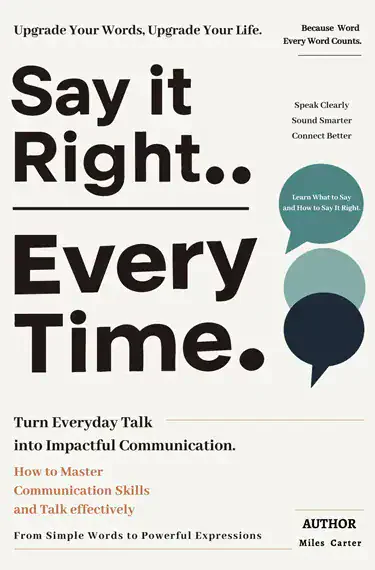
Say It Right Every Time by Miles Carter is built around exactly these everyday moments when you know you need to respond, but the right words do not arrive quickly enough.
The book covers starting conversations with anyone, keeping conversations going, responding without losing your cool, handling unwanted advice, dealing with questions that cross the line, disagreeing without creating distance, and speaking confidently under pressure. It also includes workplace situations such as rude comments, difficult people, self-introductions, and communicating your ideas so others will listen.
What makes the book practical is its focus on the actual language behind these situations. Instead of expecting you to become naturally quick-witted, it gives you ways to structure a response, manage the moment, and keep communicating even when you are surprised or uncomfortable.
That makes it especially useful for people who often think of the perfect thing to say five minutes after the conversation has ended.

Say it Right..Every Time.
Miles CarterPractical communication tools for the moments that matter — say what you mean, calmly and confidently.
You Do Not Need a Perfect Answer
Knowing what to say in every situation does not mean always having the smartest response in the room. It means being able to stay calm enough to understand what is happening, decide what you want to communicate, and choose words that move the conversation forward.
Sometimes that will be a clear answer. Sometimes it will be a question. Sometimes the best response is simply asking for a moment before you continue.
The more comfortable you become with those options, the less often you will leave a conversation thinking, “I wish I had known what to say.”
Did this article help you see things differently? Our books turn helpful ideas into practical tools you can return to anytime.



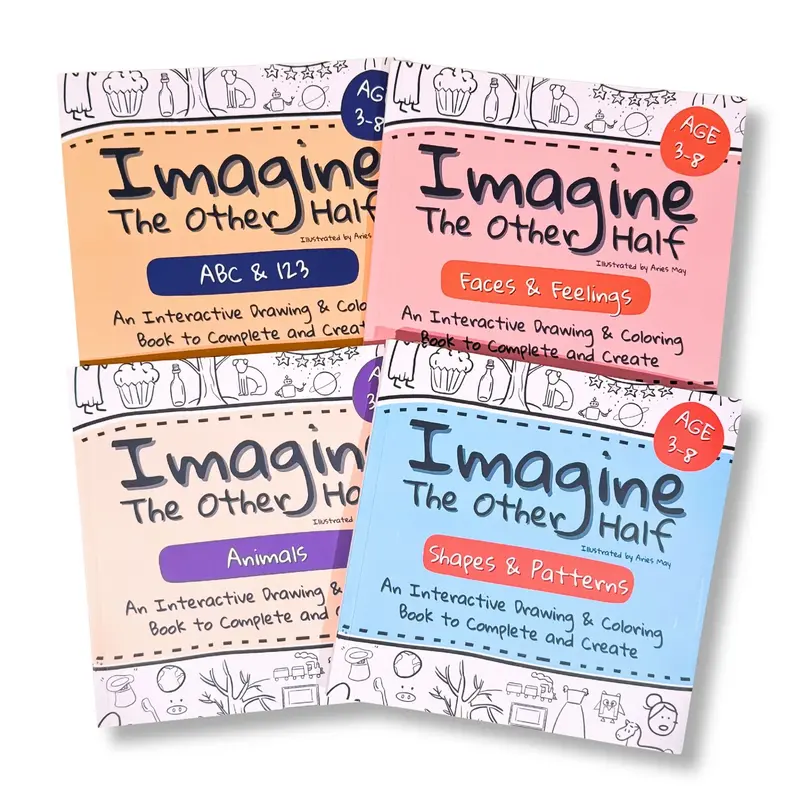
Imagine The Other Half
$24.99

