The Worry Starts Before Anything Has Happened
Every morning, Daniel checks his calendar and immediately starts worrying about the day ahead. He has a presentation at ten, a meeting at two, and an unanswered email from yesterday. None of those things is a crisis, but his mind begins predicting how each one might go wrong before breakfast is even over.
By lunchtime, one problem has already been replaced by another. The presentation went fine, but now he is worrying about the meeting. The meeting ends, and his attention moves to tomorrow.
This is what chronic worrying can look like when it becomes part of the daily rhythm. The subject keeps changing, but the habit remains the same: something feels uncertain, so the mind starts searching for possible problems.

Worry Can Feel Like Responsibility
Chronic worry is difficult to break partly because it can feel useful. You may believe that thinking through every possibility is how you stay prepared.
But preparation tends to end with an action. Worry can continue long after there is anything useful left to do. You keep imagining possibilities, checking information, and mentally rehearsing conversations because you still do not feel certain enough to stop.
That is when worry starts taking energy without giving much back.
Notice What Happens After the First Concern
The first worry is not always the most important part. Pay attention to what happens next.
Maybe you start looking for reassurance. Maybe you search for more information, replay a conversation, or imagine several different outcomes. Those behaviors can temporarily reduce uncertainty, but they can also teach your mind that every uncomfortable thought needs a response.
Breaking chronic worrying often requires looking at that second step rather than trying to eliminate every initial concern.

Break the Anxiety Circle by Miles Carter
Break the Anxiety Circle is built around recurring anxiety patterns and the habits that keep them running. It explores worry loops, overthinking, self-doubt, emotional triggers, people pleasing, regret, and difficulty letting go, giving readers a broader picture of why worry can become such a persistent part of everyday life.
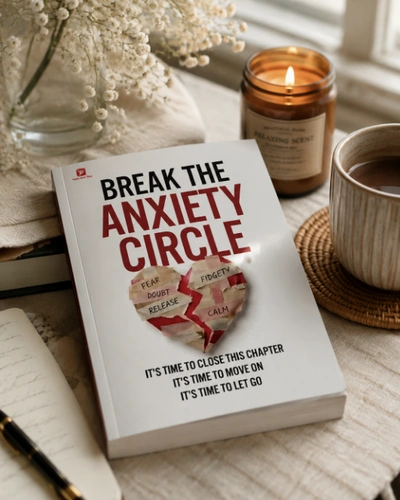
The book focuses on recognizing the point where useful thinking becomes repetitive. A concern may deserve attention, but when the same question keeps returning without new information, the mental process is no longer solving anything.
Carter also connects worry with the need for reassurance and certainty. If you repeatedly check, ask, replay, or predict whenever something feels uncertain, the temporary relief can reinforce the behavior and make the next worry more persistent.
The book encourages readers to work on the underlying pattern rather than trying to win an argument with each individual anxious thought. That includes noticing emotional triggers, separating past regret from present problems, and developing more tolerance for situations that cannot be fully controlled.

Break the Anxiety Circle
Miles CarterA mental reset for people trapped in the overthinking loop. Understand why your mind won’t stop racing — and how to break free from anxiety, people-pleasing, and emotional exhaustion.
For readers looking for a book on overcoming chronic worrying, Break the Anxiety Circle offers practical ways to understand why worry keeps renewing itself and how to interrupt the cycle before it consumes an entire day.
Decide What Actually Needs Action
A useful distinction is whether the worry points to something you can do or something you are simply trying to predict.
If there is an email you need to send, send it. If you need more information, figure out what information is missing. If there is nothing you can do until tomorrow, you do not necessarily need to solve the situation tonight.
This separates action from mental rehearsal and gives your mind fewer reasons to keep circling the same issue.
Worry May Always Appear
The goal is not to live without uncertainty or become someone who never worries. Some level of concern is a normal part of caring about work, relationships, and the future.
The more useful change is learning not to automatically feed every concern with another round of analysis. Break the Anxiety Circle helps readers recognize that pattern so they can respond differently when the next worry arrives instead of immediately getting pulled into it.
If you found this helpful, these books go deeper into the same themes.



Break the Anxiety Circle
$19.90

From Debt to Wealth
$19.90

