Anxiety doesn’t stay inside.
You can see it before someone says a word. The leg that won’t stop bouncing. The fingers that keep finding the neck, the wrist, the hair. The smile that appears a beat too late. The voice that rises slightly at the end of a sentence, turning a statement into a question.
Most people notice these signals without knowing what they mean. They sense the discomfort but can’t name it. And because they can’t name it, they respond to the words instead of the person.
Anxiety is one of the most readable emotions. It leaks constantly. You just need to know where to look.
Book 1: How to Read Someone’s Mind by Miles Carter

The body confesses what the mouth denies.
Anxious people work hard to appear calm. They rehearse their answers. They hold eye contact. They keep their voice steady. And then their body gives them away.
This book teaches you to see the signals that are hardest to control. The pacifying gestures, touching the neck, rubbing the forehead, stroking the arm. These are self-soothing behaviors the nervous system triggers automatically. They appear when someone feels threatened, even if the threat is only social.
You’ll learn what nervousness looks like in real time. The slight tightening around the eyes. The swallow that comes at the wrong moment. The way breathing changes when a certain topic comes up.
Once you can see anxiety in the body, you stop being confused by behavior that seems irrational. The words were never the full story.

How to Read Someone’s Mind
Miles CarterPractical tools for reading body language, tone, and hidden intentions in real time. Spot what people aren’t saying — before you trust the wrong person.
Book 2: The Body Keeps the Score by Bessel van der Kolk
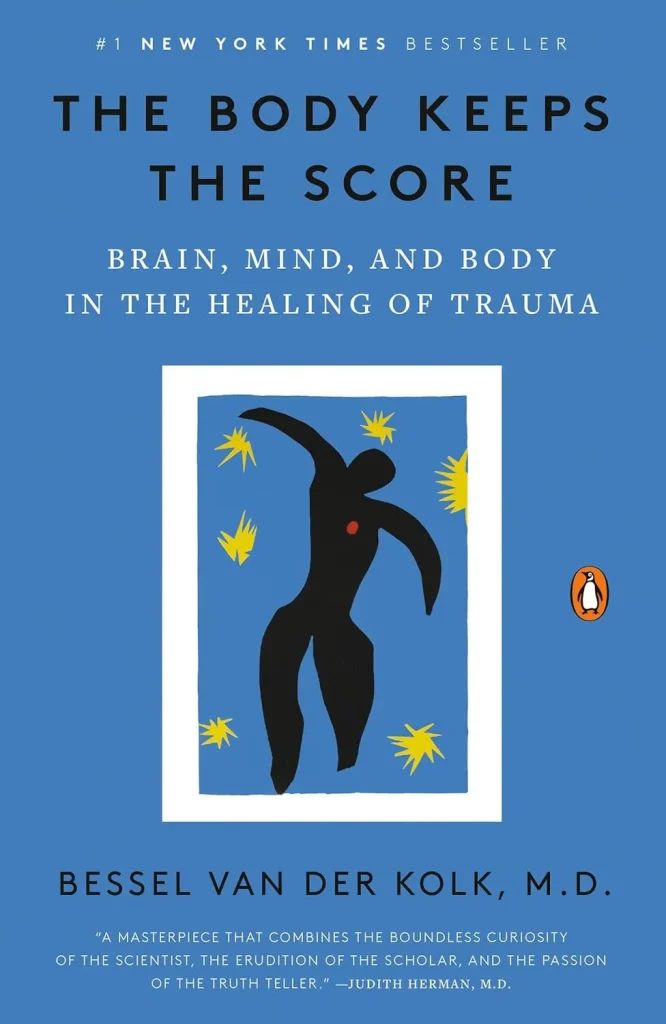
This book explains why anxiety lives in the body long after the mind has moved on.
Van der Kolk, a leading trauma researcher, shows that stress and anxiety aren’t just thoughts. They’re physical states stored in the nervous system. The body remembers what the mind tries to forget. That’s why anxious people often can’t relax even when they know they’re safe.
You’ll learn how trauma and anxiety reshape the brain and body, why talk therapy alone often fails, and how movement, breathing, and body awareness can succeed where words cannot. Understanding this changes how you read anxious behavior. The fidgeting isn’t a habit. It’s a nervous system trying to regulate itself.
Book 3: The Highly Sensitive Person by Elaine Aron
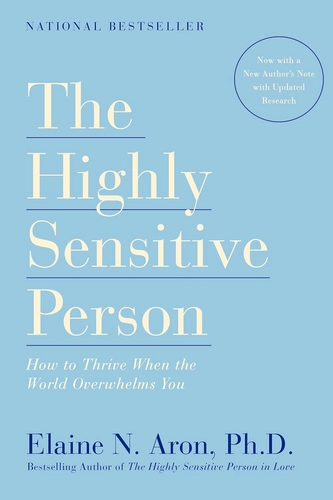
This book explains why some people feel everything more intensely.
Aron, a psychologist, identified a trait that affects roughly 20% of the population. Highly sensitive people process information more deeply, react more strongly to stimulation, and feel emotions more intensely. Their anxiety isn’t a disorder. It’s a nervous system calibrated to notice everything.
You’ll learn why sensitive people get overwhelmed in crowds, why they need more downtime, and why their body language often signals distress before they’ve said a word. Understanding this helps you read them accurately instead of misinterpreting their reactions.
What Changes When You Can See It
You stop misreading people. The colleague who seems distant is actually overwhelmed. The friend who cancels plans isn’t rejecting you. The person who snaps isn’t angry at you. They’re managing something you couldn’t see before.
The Body Keeps the Score explains why anxiety lives in the body. The Highly Sensitive Person explains why some people feel it more intensely. But How to Read Someone’s Mind is where you learn to see it happening in real time, in the face and body of someone standing in front of you.
Anxiety is written on the body. Once you learn the language, you can’t stop reading it.
If you found this helpful, these books go deeper into the same themes.



Break the Anxiety Circle
$19.90

From Debt to Wealth
$19.90

