Anxiety and stress have become common experiences for many people. Everyday responsibilities, personal challenges, and constant mental pressure can create a sense of emotional exhaustion that affects how people think, feel, and interact with the world around them. While stress is a natural part of life, learning how to understand and manage these experiences can make a meaningful difference in overall well-being.
Many people search for books about anxiety and stress because they want to better understand why certain thoughts and emotions appear. The right books can provide valuable perspectives on emotional patterns, coping strategies, and ways to develop a healthier relationship with difficult feelings. Instead of simply offering quick solutions, helpful books often encourage readers to reflect, learn, and gradually build stronger emotional habits.
Here are three books that explore different approaches to understanding anxiety, stress, and emotional resilience.
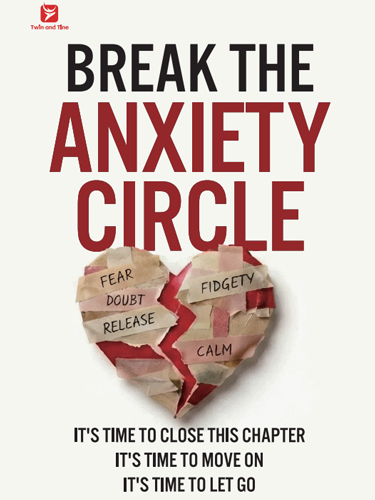
Break the Anxiety Circle by Miles Carter
Break the Anxiety Circle
Miles CarterA mental reset for people trapped in the overthinking loop. Understand why your mind won’t stop racing — and how to break free from anxiety, people-pleasing, and emotional exhaustion.
Best for understanding repeating anxiety patterns
Anxiety often becomes difficult to manage when thoughts begin to repeat themselves. A small concern can quickly turn into ongoing worry, and that worry can create even more emotional tension. Over time, people may feel trapped in patterns of thinking that are difficult to interrupt.
Break the Anxiety Circle by Miles Carter focuses on helping readers recognize these repeating cycles and understand how anxious thoughts influence emotions and behaviors. The book encourages readers to look beyond the surface feeling of anxiety and explore the patterns that keep stress active.
Through practical insights, the book helps readers:
- Recognize common anxiety cycles
- Understand the connection between thoughts and emotions
- Develop healthier responses to stress
- Create more balanced thinking habits
For readers exploring books about anxiety and stress, this book provides a practical approach to understanding worry and building greater emotional awareness.
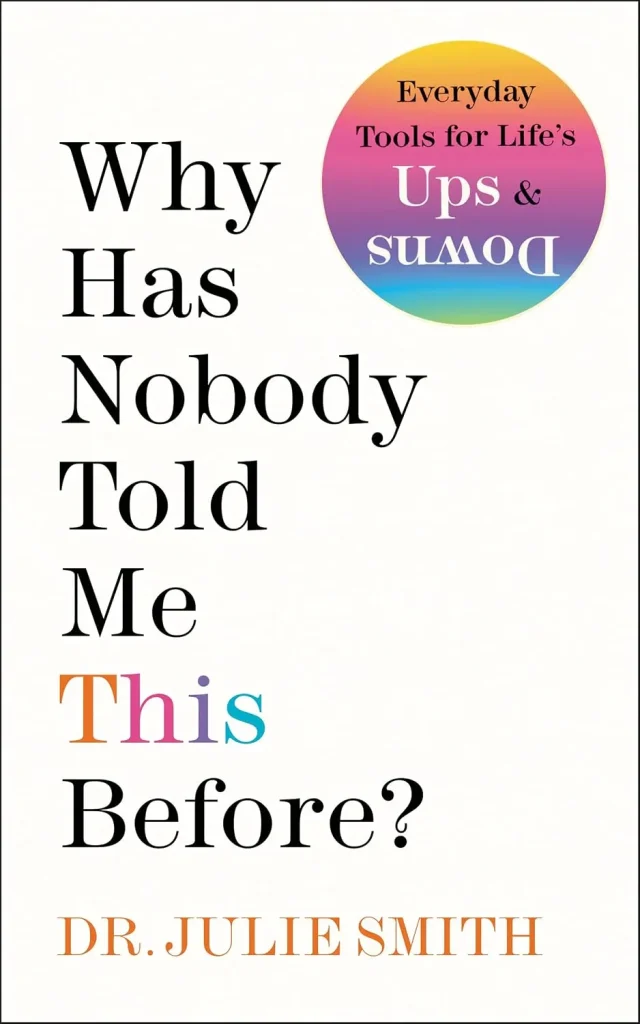
Why Has Nobody Told Me This Before? by Dr. Julie Smith
Best for learning practical emotional skills
Understanding emotions is an important part of managing stress. Many people experience difficult feelings but do not always have the tools to respond to them in a healthy way.
Why Has Nobody Told Me This Before? explores different emotional challenges and provides practical psychological insights that readers can apply in daily life. The book covers topics related to resilience, self-confidence, difficult emotions, and personal growth.
Rather than focusing only on problems, the book helps readers develop a better understanding of themselves and their emotional responses. It can be especially helpful for people who want accessible guidance for handling everyday mental challenges.
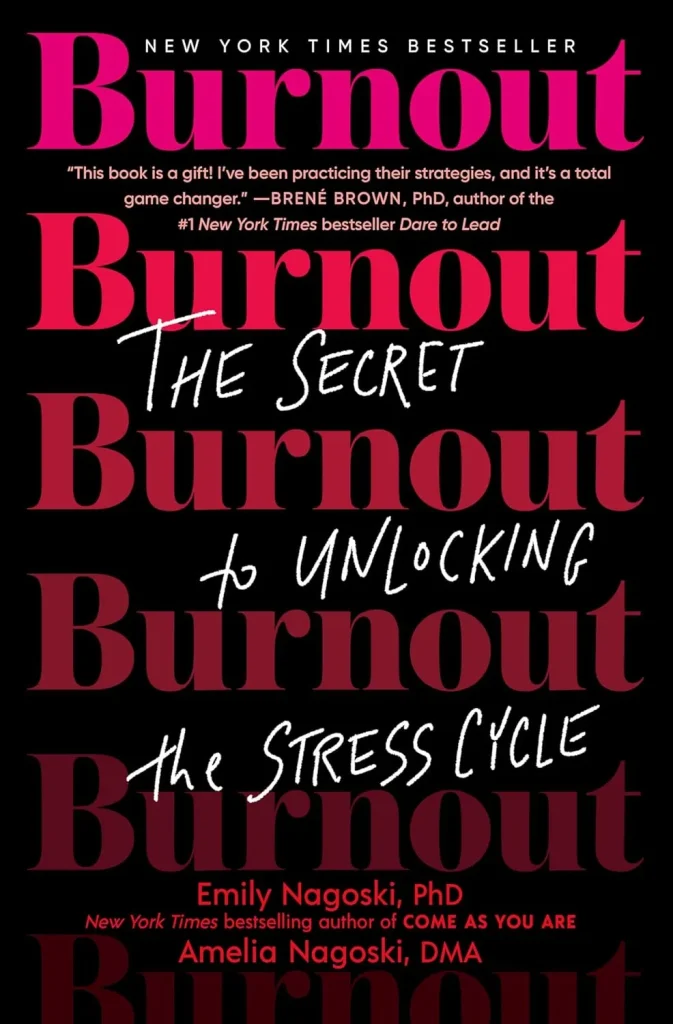
Burnout by Emily Nagoski and Amelia Nagoski
Best for understanding the relationship between stress and exhaustion
Stress is not only a mental experience. It can also affect the body, energy levels, and the way people experience daily life.
Burnout explores how stress accumulates and why many people struggle to recover from ongoing emotional pressure. The book discusses the connection between stress responses, expectations, and the need for recovery.
For readers who want to understand why they feel overwhelmed and how to create healthier patterns, this book offers valuable insights into managing long-term stress.
Why Learning About Anxiety and Stress Matters
Reading about anxiety and stress can help people better understand their own experiences. When people recognize their emotional patterns, they are often better prepared to respond to challenges instead of feeling controlled by them.
Books can provide a space for reflection and learning. They allow readers to explore different perspectives, discover new strategies, and develop greater awareness of how thoughts and emotions influence everyday life.
Building Emotional Resilience Takes Time
Managing anxiety and stress is not about becoming someone who never feels worried or overwhelmed. Difficult emotions are a normal part of being human, and the goal is often to develop healthier ways to handle those experiences.
With greater self-awareness and consistent practice, people can gradually improve how they respond to pressure. Small changes in thinking habits and emotional responses can create meaningful improvements over time.
Why Break the Anxiety Circle Is Worth Reading
Many books about anxiety focus on individual techniques or specific emotional challenges. Break the Anxiety Circle by Miles Carter focuses on the patterns behind anxiety itself and helps readers understand how repeated thoughts can influence emotional well-being.
By encouraging readers to recognize anxiety cycles and develop healthier responses, the book offers a practical framework for creating more balanced thinking habits.
For anyone searching for books about anxiety and stress, this book provides a thoughtful starting point for understanding anxiety and building emotional resilience.