When You Care About Each Other but Still Keep Missing Each Other
You can care deeply about someone and still feel like your conversations keep going wrong. Maybe you want your partner to understand what has been bothering you, but every attempt turns into an argument. Maybe you tend to stay quiet because you do not want to create tension, only to become more frustrated when the same issue keeps happening. In other cases, you both talk a lot, but neither person feels genuinely heard by the end of the conversation.

These problems are often less about how much you communicate and more about how you communicate. In close relationships, people bring emotions, expectations, past experiences, and assumptions into even ordinary conversations. A simple question can sound like criticism, a request can feel like pressure, and a comment that seemed harmless can carry much more weight than you intended.
Say It Right Every Time Focuses on the Everyday Communication Behind These Problems
Say It Right Every Time by Miles Carter is a practical choice for readers who want to improve communication in their relationships without turning every problem into a complicated psychological exercise. The book focuses on expressing thoughts, feelings, needs, opinions, and requests more clearly, while also paying attention to the gap between what you mean and what another person actually hears.
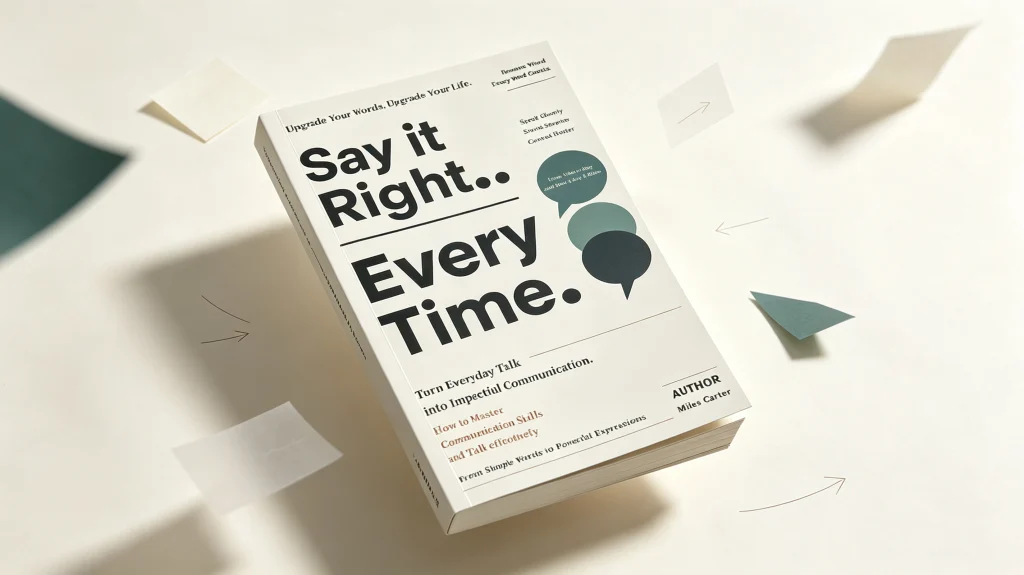
That gap is behind many common relationship problems. You may say “You never listen to me” because you feel ignored, but the other person hears a judgment about their character and immediately becomes defensive. You may say “I’m fine” because you do not want to start an argument, while secretly hoping your partner will notice that something is wrong. The book helps readers recognize these habits and communicate the actual message instead of leaving the other person to guess.
This is particularly valuable because better communication is not just about finding nicer words. It also means knowing when to speak, when to listen, when to clarify, and when your emotions are starting to affect the way you communicate.
Stop Expecting the Other Person to Read Your Mind
One of the most common patterns in relationships is keeping a need unspoken and then feeling hurt when the other person does not notice it. You may want more help at home, more time together, or more consideration when plans are made, but instead of saying so directly, you drop hints or wait for your partner to figure it out. When that does not happen, the disappointment feels personal even though the request was never clearly communicated.

Being more direct does not mean becoming demanding. It means giving the other person enough information to understand what is actually important to you. A clear request also gives them a real opportunity to respond, rather than forcing both of you to react to assumptions.
Learn to Talk Before Frustration Takes Over
Small communication problems are easier to deal with when they are still small. If something bothers you but you keep putting it off, the frustration can build until the eventual conversation includes months of resentment instead of one manageable issue.
This is where Say It Right Every Time becomes especially practical. The book encourages readers to become more aware of how they phrase concerns and express emotions, so they are less likely to wait until they are already angry before saying what they need to say. Speaking earlier does not guarantee an easy conversation, but it gives you a much better chance of having a useful one.
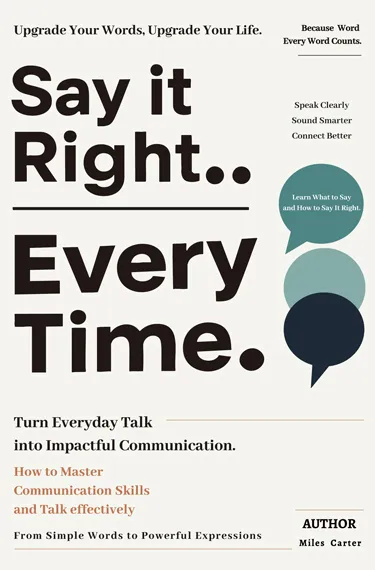
Say it Right..Every Time.
Miles CarterPractical communication tools for the moments that matter — say what you mean, calmly and confidently.
Better Communication Does Not Mean Fewer Disagreements
Two people in a healthy relationship will still disagree. They may want different things, interpret the same situation differently, or simply have different personalities and expectations.
The goal is not to create a relationship where nobody gets upset. It is to make difficult conversations easier to understand and easier to repair. You can explain your position without attacking the other person, listen without automatically agreeing, and recognize when a conversation needs to slow down instead of getting louder.
That shift can make a relationship feel very different over time. You spend less energy guessing what someone meant, less time replaying conversations afterward, and more time actually discussing the issue in front of you.
What You Can Gain From Reading Say It Right Every Time
The most useful change is not that you suddenly become an expert communicator. It is that everyday conversations start requiring less guesswork. You become more comfortable expressing what you feel, asking for what you need, and explaining a concern before it turns into resentment.
You may also become more aware of the habits that quietly create communication problems in the first place. Instead of thinking, “We just don’t communicate well,” you can begin to recognize the specific moments where things go wrong and make a different choice next time.
For anyone searching for books about communication in relationships, Say It Right Every Time offers a practical starting point because it focuses on the communication habits people use every day. Better communication will not remove every difficult moment from a relationship, but it can make those moments much easier to navigate together.