You have probably met someone like this.
They do not shout. They do not threaten. They do not need to. They have a quieter way of getting what they want. They ask questions that feel like accusations. They offer “advice” that sounds suspiciously like criticism. They make you feel like you are always wrong, always forgetting something, always falling short.
The people in your life—friends, partners, parents, colleagues—are not all trying to control you. But some of them are. And the hardest part is that they often do not see themselves that way. They think they are helping. They think they are protecting you. They think they know what is best.
The three books below each address a different layer of this problem. One helps you recognize the patterns before you are too deep in. One explains the psychology behind why some people need control. One gives you a practical framework for setting boundaries and protecting yourself without burning bridges you want to keep.
How to Read Someone’s Mind by Miles Carter
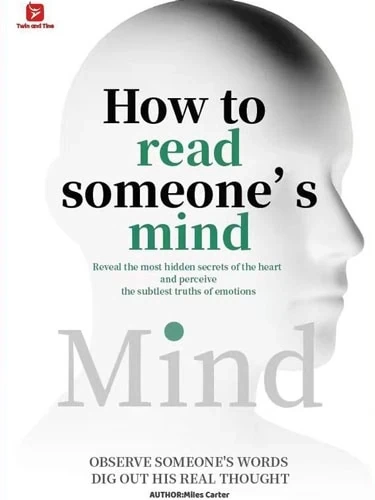
What signals tell you someone is trying to control you?
Controlling people rarely announce themselves. They do not say “I need to control you.” They show you through patterns over time. The friend who always questions your decisions. The partner who “just wants to help” but somehow makes you feel incompetent. The parent who frames their demands as concern for your safety.
Carter’s book teaches you to read the signals people reveal through their face, body, voice, and behavior over time. The mismatch between what they say and what they do. The subtle put-downs disguised as jokes. The way they respond when you say no. The shift in tone when you assert yourself.
What makes this book relevant here is the focus on patterns versus isolated moments. A person who disagrees with you once is not controlling. A person who consistently undermines your confidence and questions your judgment is showing you something. A partner who is demanding once might be having a bad day. A partner who consistently dismisses your feelings and opinions has a pattern.
The difference between someone who cares and someone who controls is how they respond when you say no.
The book gives you a framework for recognizing these patterns early. You learn to distinguish between someone who is genuinely concerned and someone who is slowly narrowing your choices until you only have one option: theirs.
For anyone who keeps wondering “is this concern, or is this control?”
The Covert Passive-Aggressive Narcissist by Debbie Mirza
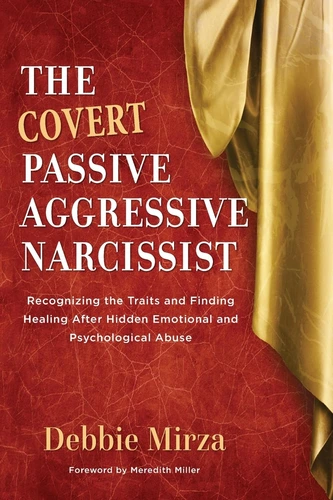
What does quiet control look like?
Here is a blind spot most people have.
When you hear “controlling person,” you picture someone loud, aggressive, demanding. Someone who issues orders and expects compliance. But some of the most controlling people are the quietest. They are not aggressive. They are passive. They do not demand. They guilt. They do not threaten. They withdraw.
Mirza’s book is about a specific type: the covert narcissist who controls through emotional manipulation rather than overt force. They play the victim. They make you feel sorry for them. They are always “just trying to help.” They frame your boundaries as rejection and your independence as abandonment.
What makes this book essential is the specificity. It names the patterns you might have struggled to put words to. The friend who guilt-trips you for setting boundaries. The partner who makes you feel like you are abandoning them when you take space. The parent who frames their demands as love and your autonomy as betrayal.
Quiet control is harder to name. But it is just as damaging.
The book also addresses the self-doubt that comes with these relationships. You are never quite sure if you are overreacting, being too sensitive, or imagining things. Mirza helps you trust your own perceptions again.
For anyone who has ever been made to feel like the problem—when you knew you were not.
Set Boundaries, Find Peace by Nedra Glover Tawwab
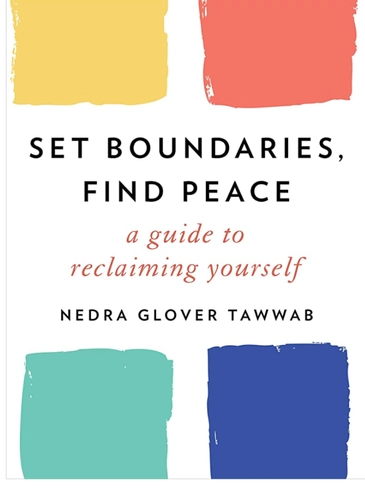
What do you do when someone keeps overstepping?
You have recognized the pattern. You have named what is happening. Now you have a harder question: what do I do about it?
Tawwab, a therapist who specializes in relationships, wrote this book for people who struggle to set and maintain boundaries. She gives you practical, direct, and specific guidance for handling the people who keep overstepping.
The book covers the hardest situations: the friend who always needs something, the partner who does not respect your time, the parent who ignores your limits, the colleague who delegates their work to you. Tawwab explains why boundaries are not punishments, why saying no is not rejection, and why discomfort is the price of healthy relationships.
Boundaries are not walls. They are doors. They let in the right people and keep out the wrong ones.
What makes this book valuable is the practicality. You learn what to say, how to say it, and what to do when the other person reacts badly. Because they will react badly. That is how you know boundaries are working.
For anyone who knows what they need to do but does not know how to say it.
These three books each address a different part of the problem. Carter helps you spot the patterns before you are too deep in. Mirza helps you recognize quiet control that looks like care. Tawwab gives you the tools to set boundaries and protect yourself.
If you are tired of feeling controlled and want to take your power back, start with the one that matches where you are stuck:
- Need to recognize the signals earlier? Start with Carter.
- Need to name quiet, passive control? Start with Mirza.
- Need to set boundaries without guilt? Start with Tawwab.
The people who try to control you will not stop on their own. They will stop when you stop letting them.
