You have tried to pay off your debt. You made a budget. You cut back on spending. You told yourself this time would be different.
But somehow, the balance barely moved. Or it went down for a while and crept back up. Or you paid off one card and started using another.
You start to wonder: what is wrong with me?
The answer is probably not that you lack willpower. It is that most people try to solve a debt problem without understanding the mindset that created it.
Debt is rarely just a math problem. It is a behavior problem, a belief problem, and often an emotional problem. Until those change, the debt tends to come back.
The books below focus on the psychology of debt and financial freedom.
From Debt to Wealth by Owen Pierce
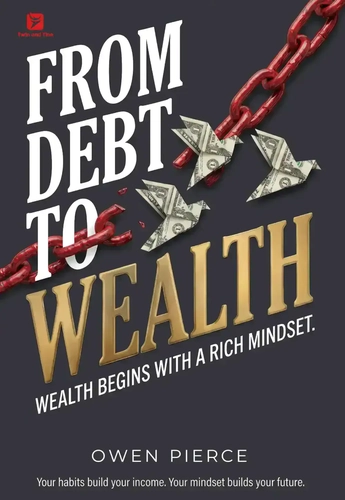
Change the way you think about debt and money
Most people assume debt is a math problem. If you earn more, you can pay it off faster. If you budget better, you can control it. If you work harder, you will eventually catch up.
Pierce argues that this view misses the real issue. Debt is often the result of how you think about money, not just how much you earn. A person who gets a raise and increases their spending is not making a math mistake. They are running on a belief about what money is for. A person who avoids looking at their debt is not lazy. They are protecting themselves from something uncomfortable.
This book helps you see the beliefs and habits that keep you in debt. It does not give you another spreadsheet. It helps you understand why you keep making the same financial decisions, even when you know they are not working.
What you will learn:
- Why earning more does not always fix debt problems
- How beliefs about money shape your financial decisions
- Why people stay stuck even when they know what to do
- The difference between paying off debt and changing the mindset that created it
Who should read this:
Anyone who has tried to get out of debt and found themselves right back where they started.
The Financial Anxiety Solution by Erin Skye Kelly
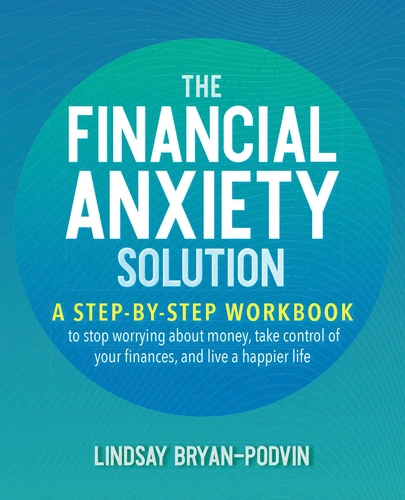
Understand why debt creates stress and how to move past it
Many people in debt know what they should do. They know they should save. They know they should stop spending. But knowing does not reduce the anxiety.
Kelly explains that financial anxiety can make every decision feel like a test you might fail. It turns debt into a source of constant stress, which makes it harder to think clearly, plan ahead, or make changes that stick.
This book helps you understand the difference between financial knowledge and financial confidence. It offers practical strategies for reducing anxiety around money, so you can make decisions without the emotional weight.
If you have ever avoided opening a bill or felt sick when thinking about your finances, this book explains why—and what to do about it.
What you will learn:
- Why financial anxiety makes it harder to pay off debt
- How to separate emotional responses from financial decisions
- Practical tools for reducing money stress
- How to build confidence around your finances
Who should read this:
Anyone who has ever felt paralyzed by their debt instead of motivated to fix it.
Atomic Habits by James Clear
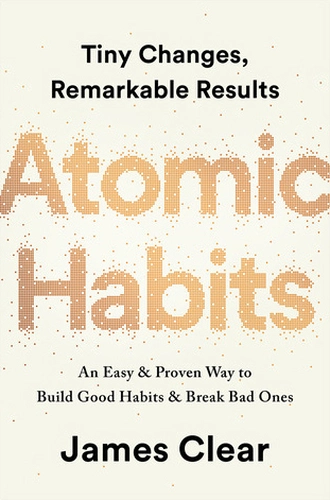
Understand why good intentions are not enough to change behavior
Most people who want to pay off debt do not lack good intentions. They lack systems that work.
Clear explains why people struggle to change their habits, even when they want to. A budget works for a few weeks, then falls apart. A plan to stop spending works for a month, then fails. The problem is not willpower. It is that habits are shaped by environment, systems, and small decisions made every day.
This book is not about debt. It is about how change actually happens. And for anyone trying to get out of debt, that is exactly what you need. You need to stop relying on motivation and start building systems that make good decisions the default.
What you will learn:
- Why willpower is not a reliable tool for change
- How to design systems that make good habits easy
- Why small changes compound over time
- How to break the cycle of starting over and failing
Who should read this:
Anyone who has started a debt payoff plan and stopped. More than once.
How these books work together
These three books approach debt from different angles.
The first book helps you understand the mindset that keeps you in debt. You see why your financial decisions are not random and what needs to change.
The second book helps you address the anxiety that makes debt feel overwhelming. You learn to separate fear from action.
The third book helps you build systems that make good habits automatic. You stop relying on motivation and start relying on structure.
Together, they help you stop asking “how do I pay off debt?” and start asking “what needs to change so I never get back into debt?”
FAQ
Why do I keep getting into debt even when I earn more?
Because debt is not always about income. It is about habits, beliefs, and how you respond to emotions like stress, boredom, or comparison. Until those change, more income often means more spending.
What is the first step to changing your debt mindset?
Start with awareness. Notice how you talk about money. Notice how you feel when you think about your debt. Most people avoid looking at the root cause. Awareness is the foundation for change.
Can someone with significant debt ever become financially free?
Yes. But freedom does not come from paying off the last dollar. It comes from changing the system that created the debt in the first place. The payoff is the result, not the cure.
How do I know if I am making progress?
Progress is not always about the number going down. It is about whether your behavior is changing. If you are spending less than you did before, if you are saving more, if you are making decisions differently, you are on the right track.
