You have probably been on the receiving end of it. Someone said one thing and did another. A person you trusted turned out to be hiding something. You looked back and realized the signs were there—you just did not see them.
Deception is not always obvious. People do not announce they are lying. They show it through patterns, contradictions, and tiny leaks of truth they do not realize are slipping out. Understanding the psychology of deception means learning to see those leaks—and recognizing why people lie in the first place.
These three books each approach deception from a different angle: how to spot the signals, why we miss them, and the hidden motives that drive dishonesty.
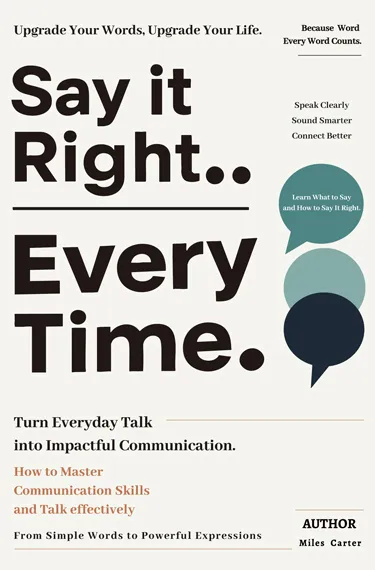
1. How to Read Someone’s Mind by Miles Carter
The book that teaches you to see the signals people leak without realizing it.
Carter breaks reading people into four dimensions: the face, the body, the voice, and the context. You learn to notice tone shifts, hesitation, mismatches between words and actions, and inconsistencies over time.
Deception is rarely one big lie. It is a pattern of small inconsistencies. A story that shifts slightly each time it is told. A body that leans away while the mouth says yes. A smile that does not reach the eyes. A voice that goes flat when a specific topic comes up.
Carter trains you to see these signals. Once you learn to notice them, you stop being surprised by dishonesty. You start recognizing it before it costs you. You stop trusting the story and start trusting the pattern.
For anyone who wants to spot deception before it is too late.
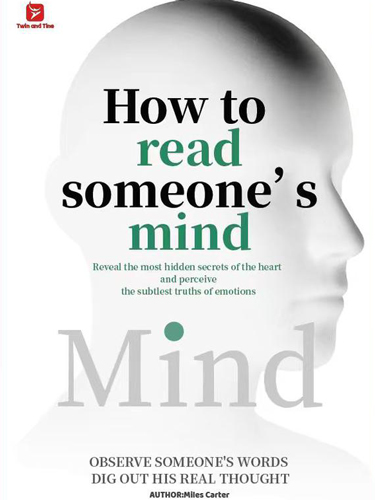
How to Read Someone’s Mind
Miles CarterPractical tools for reading body language, tone, and hidden intentions in real time. Spot what people aren’t saying — before you trust the wrong person.
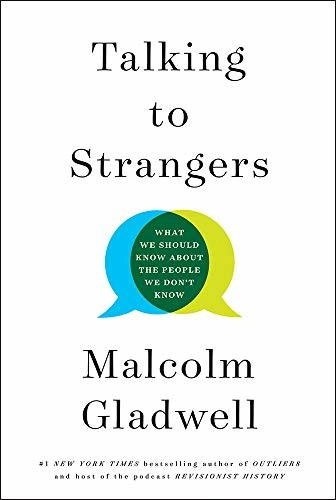
2. Talking to Strangers by Malcolm Gladwell
The book that explains why we are so bad at detecting deception.
Gladwell’s book is built on a provocative question: why are we so terrible at reading strangers? He draws on real cases—from spies to police encounters to financial fraud—where people either accurately read someone or disastrously misread them.
His argument is that most people default to believing others. We assume people are telling the truth. We give the benefit of the doubt. We do not account for the possibility that we are being deceived. And that assumption makes us vulnerable.
Gladwell shows how small behavioral leaks—misplaced confidence, a mismatch between words and expressions, a carefully constructed story—are often ignored by people who are not looking for them. He teaches you why these signals matter and how to stop missing them.
For anyone who has ever been fooled and wondered how they missed it.
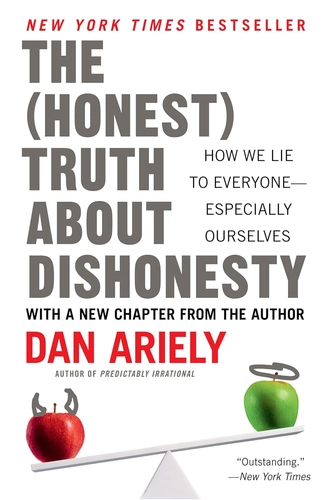
3. The Honest Truth About Dishonesty by Dan Ariely
The book that explains why good people cheat.
Ariely is a behavioral economist who spent years running experiments on honesty and cheating. His findings are surprising: most people cheat—but only a little. They do not want to see themselves as dishonest, so they take small liberties they can justify.
The book explains why people are more honest in some settings and less honest in others. Why we lie more when we have distance from the victim. Why we justify small dishonesty with elaborate rationalizations. Why we are more likely to cheat when we see others doing it.
What makes this book valuable is the clarity about human nature: most people are not evil, but most people are not entirely honest either. Understanding that gap helps you see dishonesty before it escalates.
For anyone who wants to understand the psychology behind everyday dishonesty.