Emotional Healing Is Not Just About Feeling Better
There are times when nothing is obviously wrong, yet you still feel emotionally stuck. You replay an old relationship, think about something you wish you had handled differently, or carry disappointment from years ago into situations that have nothing to do with it.
That is part of why emotional healing can take longer than people expect. The difficult emotions may no longer be as intense as they once were, but they can still shape the way you think, react, and see yourself.
The right book can help you understand those patterns instead of simply telling you to “move on.”
Break the Anxiety Circle Looks at What Keeps the Past Active
Break the Anxiety Circle by Miles Carter is a strong choice for readers who feel that old experiences still have too much influence over their present life.
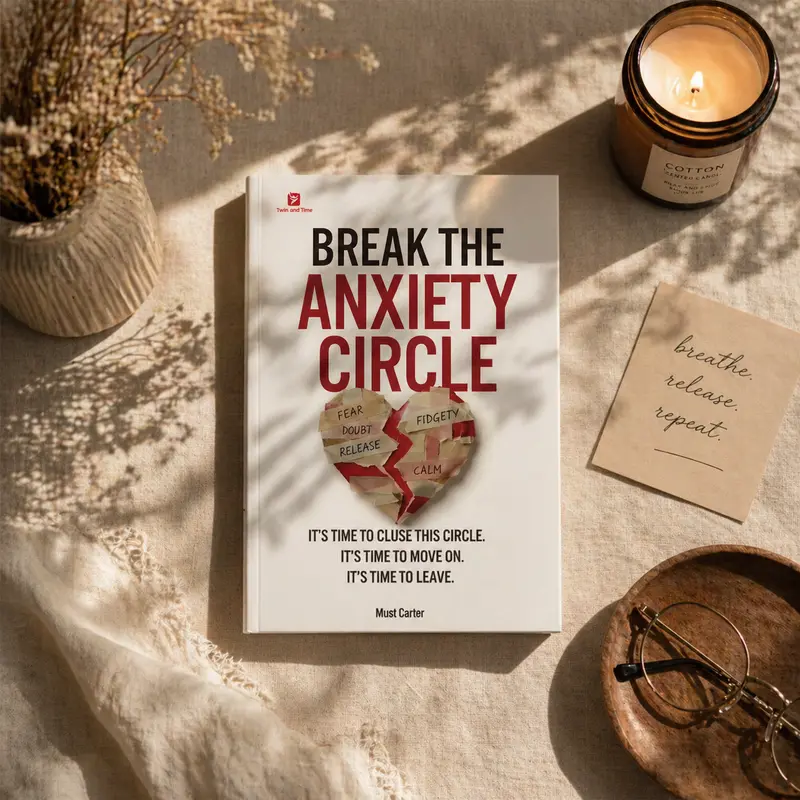
The book explores letting go of the past, regret, self-worth, overthinking, people pleasing, emotional regulation, and the anxious thought patterns that can keep a person mentally stuck. These subjects connect in a very natural way. One painful memory can trigger self-doubt, which leads to more overthinking, which makes it harder to let go.
Rather than treating emotional healing as forgetting what happened, the book focuses on changing the way you continue to carry it.
Break the Anxiety Circle
Miles CarterA mental reset for people trapped in the overthinking loop. Understand why your mind won’t stop racing — and how to break free from anxiety, people-pleasing, and emotional exhaustion.
The Body Keeps the Score
The Body Keeps the Score by Bessel van der Kolk takes a much deeper look at how difficult experiences can affect the body and mind.
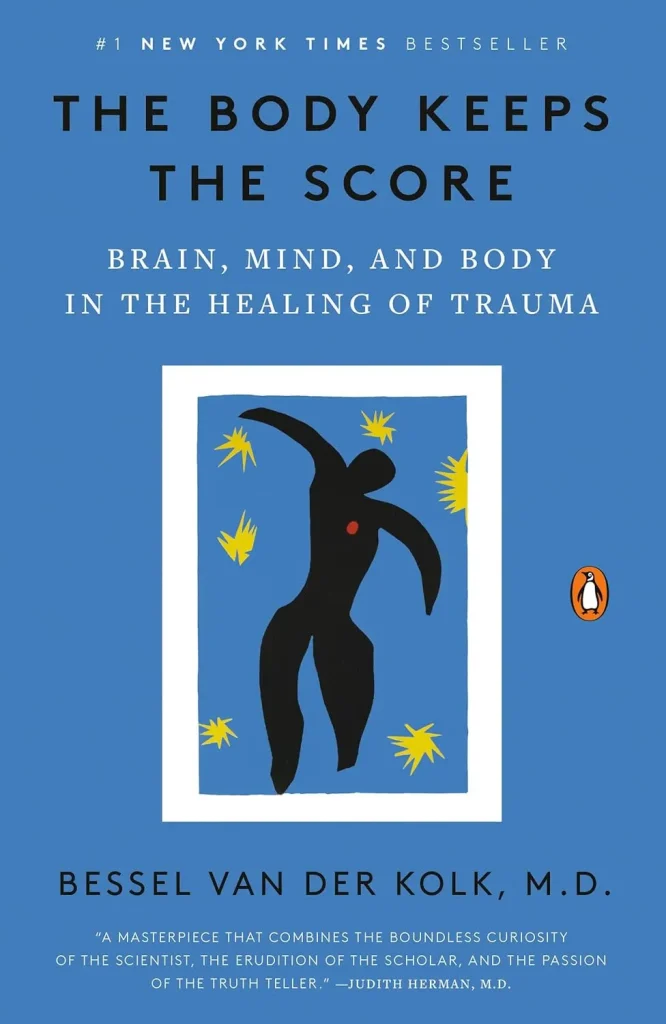
It is a very different kind of book from Break the Anxiety Circle. The focus is much more on trauma and the ways distress can continue to affect a person after the original experience is over.
For readers dealing with significant past experiences and wanting to understand the connection between emotional pain and the body, it offers a broader perspective.
The Gifts of Imperfection
The Gifts of Imperfection by Brené Brown approaches emotional healing through self-acceptance, vulnerability, and letting go of the pressure to be perfect.
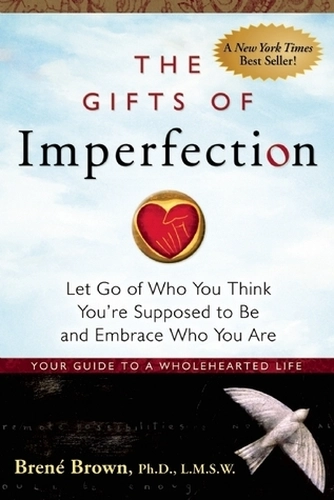
That makes it particularly useful for people whose emotional pain is tied to self-judgment. Sometimes the hardest part of moving forward is not the event itself but the way you continue to judge yourself for what happened.
This book offers a gentler perspective: healing does not require becoming a flawless version of yourself before you can feel at peace.
Which Part of Healing Do You Need Most?
If you are constantly replaying the past, worrying about what you should have done differently, or struggling to stop old experiences from affecting your current thinking, Break the Anxiety Circle is the most direct fit.
If you want to understand deeper trauma and its impact on both mind and body, The Body Keeps the Score offers a more extensive exploration.
If your biggest obstacle is self-criticism and the feeling that you are never enough, The Gifts of Imperfection may resonate more strongly.
You Do Not Have to Erase the Past
Emotional healing does not mean pretending that something never happened. It means reaching a point where the past no longer controls every decision, relationship, or thought that comes after it.
For readers caught between regret, anxiety, and self-doubt, Break the Anxiety Circle is a practical place to begin. It focuses on the mental patterns that can keep emotional pain alive long after the original moment has passed.