There’s a person in your life you can’t quite read. A colleague whose feedback is always slightly off. A friend who seems warm one week and distant the next. Someone you’ve known for years, and yet you still can’t predict how they’ll react to anything.
You’ve tried to understand them. You’ve replayed conversations. You’ve asked other people what they think. And you’re still not sure.
Figuring people out isn’t about becoming a mind reader. It’s about learning where the real information lives, which is rarely in the words.
Book 1: How to Read Someone’s Mind by Miles Carter

What people say is the most controlled version of themselves.
This book starts with the signals people don’t manage. The microexpressions that cross the face in a fraction of a second. The shift in posture when a topic hits too close. The change in tone that contradicts the sentence it’s attached to. These moments are brief, and most people miss them entirely.
You’ll learn to observe the face, the body, and the voice as a single system rather than isolated cues. A genuine smile reaches the eyes. A forced one stops at the mouth. Someone leaning in is engaged. Someone whose feet point toward the exit is already gone.
The most useful part is learning to look for patterns rather than moments. One signal proves nothing. But the same signal, appearing across multiple situations, tells you who someone actually is.

How to Read Someone’s Mind
Miles CarterPractical tools for reading body language, tone, and hidden intentions in real time. Spot what people aren’t saying — before you trust the wrong person.
Book 2: Games People Play by Eric Berne
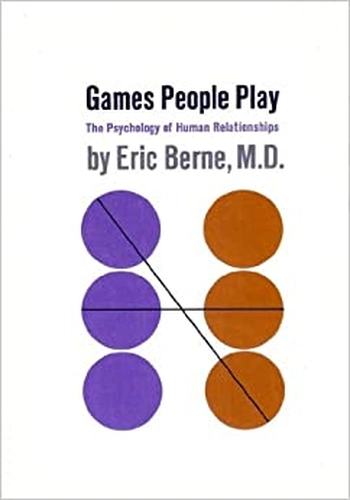
This book introduced a concept that changed how people understand social interaction.
Berne, a psychiatrist, argued that much of what passes for conversation is actually a game. A predictable pattern with hidden motives, played out over and over. The game of “Why Don’t You, Yes But” where someone asks for advice and rejects every suggestion. “Now I’ve Got You” where a conflict is engineered so someone can feel justified in their anger.
You’ll learn to recognize the games people play without knowing they’re playing them, and why those patterns repeat. The book is dense in places, but the framework stays with you.
Book 3: Reading People by Jo-Ellan Dimitrius
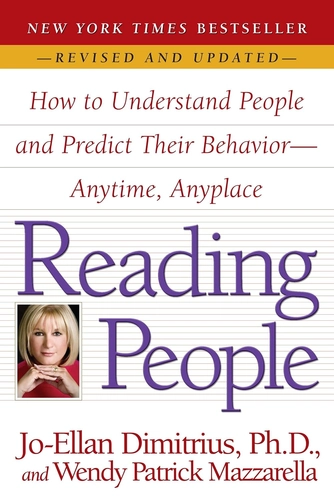
This book comes from a jury consultant who spent decades reading strangers for a living.
Dimitrius shows you how to form accurate impressions quickly. What clothing choices reveal. How someone’s physical space signals their attitude. What small behavioral cues expose personality traits. Her system is practical and built from years of watching people in high-stakes situations.
What makes it valuable is its focus on context. People behave differently in different environments, and reading them accurately means accounting for where they are, not just how they act.
What You Start Noticing
You’ll catch the moment someone’s words stop matching their body. You’ll recognize the pattern behind behavior that seemed random. You’ll understand why some people leave you feeling off balance without knowing why.
Games People Play explains the hidden structures in social interaction. Reading People gives you a system for quick assessment. But How to Read Someone’s Mind is where the skill becomes real, because figuring people out starts with seeing what they’re showing you.
The information has always been there. You just needed to know where to look.

