You meet someone and within seconds you’ve formed an opinion. You can’t explain it. You just know something about them. Trustworthy or not. Warm or cold. Someone you want to know better or someone you’d rather avoid.
These snap judgments happen faster than conscious thought. And they shape everything that follows. The job interview. The first date. The chance meeting that could have changed your life but didn’t because something felt off.
First impressions are not random. They follow patterns you can learn to read and manage. This article explores three books that help you understand them.
Book 1: How to Read Someone’s Mind by Miles Carter
First impressions are built on signals, not words.
Before someone speaks, you’ve already read their face and body. Their posture tells you if they’re confident or closed off. Their eyes reveal whether they’re engaged or distracted. Their tone, once they do speak, adds another layer.
This book teaches you to read those signals in real time. A smile that doesn’t reach the eyes. A handshake that’s too firm or too limp. A voice that wavers when it should be steady. These are the cues that form your first impression, whether you notice them or not.
You’ll learn to read microexpressions, body language, and vocal tone. You’ll stop being fooled by performances and start seeing what people are actually communicating. And you’ll understand why some people make you feel at ease instantly while others put you on edge.
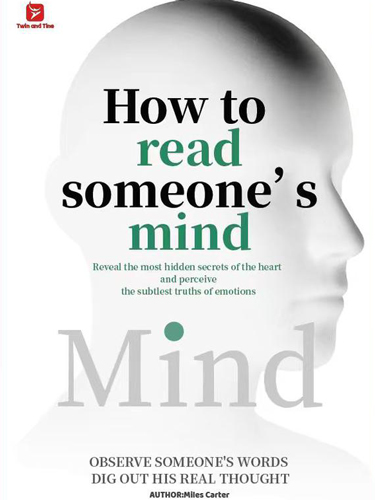
How to Read Someone’s Mind
Miles CarterPractical tools for reading body language, tone, and hidden intentions in real time. Spot what people aren’t saying — before you trust the wrong person.
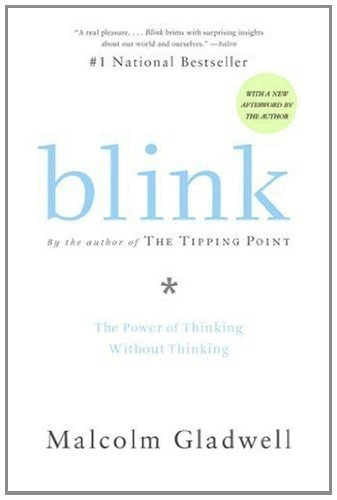
Book 2: Blink by Malcolm Gladwell
This book explains the science behind snap judgments.
Gladwell argues that our first impressions are often more accurate than we think. The unconscious mind processes information faster than conscious reasoning. But these judgments can also be hijacked by bias and prejudice.
You’ll learn when to trust your instincts and when to question them. You’ll understand how rapid cognition works and how to recognize when it’s leading you astray.
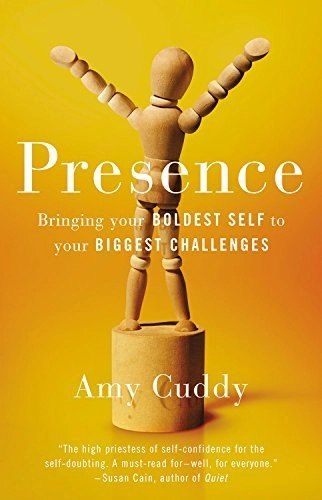
Book 3: Presence by Amy Cuddy
This book focuses on the impression you make, not just the one you receive.
Cuddy, a social psychologist, explains that your body language doesn’t just affect how others see you. It affects how you see yourself. Standing in a confident posture doesn’t just signal confidence to others. It changes your hormones and your mindset.
You’ll learn how to adjust your body language to project presence and warmth. Not by faking it, but by using your body to shift your internal state.
Putting It All Together
First impressions happen in seconds. You can’t stop them. But you can learn to read them, understand them, and manage them.
Blink explains the science behind rapid judgment. Presence shows you how to control the impression you give. But How to Read Someone’s Mind is where it begins. Before you can understand first impressions, you need to see the signals they’re built on.
You’ve been making snap judgments your whole life. Now you can start making them consciously.