You’ve been told your whole life that debt is bad. Pay it off. Avoid it. Get out as fast as you can. That advice works for credit cards and payday loans. It doesn’t work for everything.
There’s another kind of debt. The kind that buys assets instead of liabilities. The kind that generates income. The kind wealthy people use constantly while everyone else is told to stay away from it.
The difference isn’t the debt itself. It’s what the debt is attached to.
Book 1: Rich Dad Poor Dad by Robert Kiyosaki
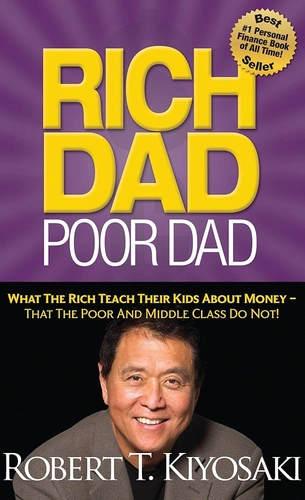
The book that made the word “asset” part of everyday vocabulary.
Kiyosaki tells the story of two fathers. One highly educated but financially struggling. The other with far less formal education but a growing fortune. The difference wasn’t income. It was understanding. The poor dad worked for money. The rich dad made money work for him.
You’ll learn why your house is not an asset, why saving alone can’t build wealth, and why the wealthy buy things that put money in their pocket while everyone else buys things that take it out. The book has sold over 40 million copies because the core lesson is simple and impossible to forget once you hear it.
Some of the specific advice is dated, and Kiyosaki has his critics. But the asset-versus-liability framework remains one of the most useful mental models in personal finance.
Book 2: From Debt to Wealth by Owen Pierce
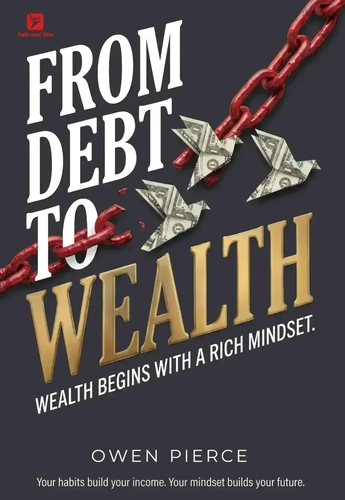
Debt is a tool. What it builds or destroys depends on what you attach it to.
This book starts by dismantling the moral framing around debt. Most people treat it as shameful, something to escape. That mindset keeps them from ever learning how to use it. Meanwhile, the wealthy borrow constantly, not because they need money, but because leverage multiplies what they can do with it.
You’ll learn why the wealthy use debt to acquire assets while everyone else uses it to acquire liabilities. Why avoiding leverage entirely often means accepting a slower path, or no path at all. Why your paycheck, the thing you’ve been told represents security, becomes more dangerous the deeper you are in debt.
The shift described here isn’t about borrowing recklessly. It’s about understanding the difference between debt that drains you and debt that works for you. Once you see that distinction, every financial decision becomes clearer.

From Debt to Wealth
Owen PierceYour paycheck comes in. The bills go out. And somehow, you’re back at zero again.
Learn why earning more does not always create financial progress—and what has to change before your money starts working differently.
Book 3: The Millionaire Real Estate Investor by Gary Keller
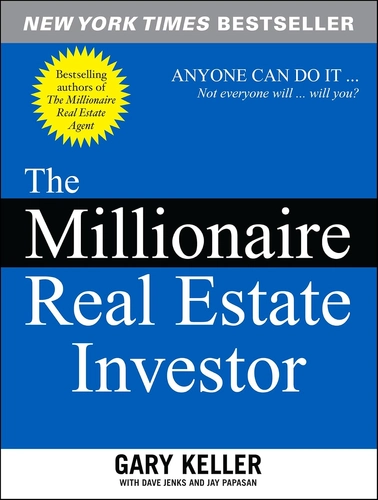
Debt used correctly is the fastest path to wealth. This book shows you how.
Keller interviewed hundreds of millionaire real estate investors and found that almost none of them got there without leverage. They didn’t save up and pay cash. They borrowed, bought, rented, and repeated. The debt wasn’t the risk. It was the engine.
You’ll learn how to evaluate a property based on its cash flow, not its price. How to use other people’s money to acquire assets you couldn’t afford on your own. And why the fear of debt keeps most people on the sidelines while others build portfolios that pay them every month.
What makes this book useful is its specificity. It doesn’t just say “use debt wisely.” It shows you exactly what that looks like in practice.
Book 4: The Value of Debt by Thomas J. Anderson
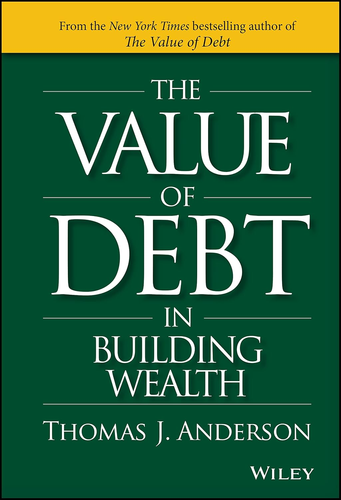
Debt, properly structured, can make you wealthier, not poorer.
Anderson, a wealth management executive, argues that the goal isn’t to eliminate debt. It’s to optimize it. He shows how strategic borrowing can increase your liquidity, reduce your taxes, and give you access to capital that would otherwise sit locked in your home or retirement accounts.
You’ll learn how the wealthy use debt as part of a long-term plan, not as a last resort. Why avoiding all debt can actually leave you less prepared for opportunity when it appears. And why the conventional advice to pay off your mortgage as fast as possible isn’t always the smartest move.
The book is written for people who already understand the basics and want to go deeper.
Book 5: Debt: The First 5,000 Years by David Graeber
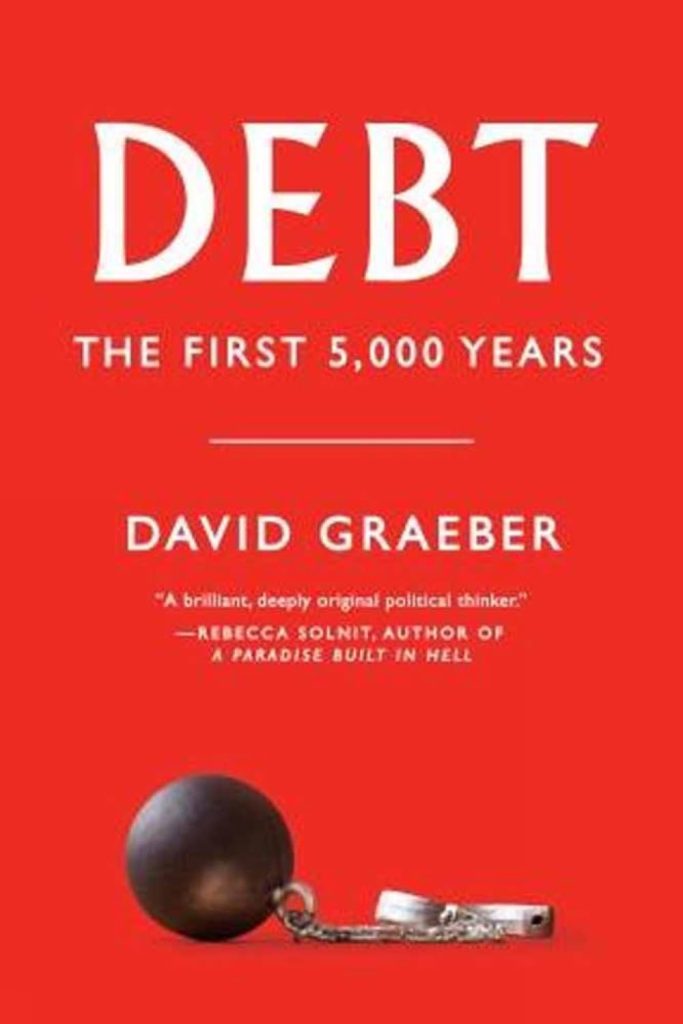
Debt isn’t just a financial tool. It’s a social contract that shapes civilizations.
Graeber, an anthropologist, takes you back to the beginning. The first written records weren’t poetry or law. They were accounting entries. Debt predates money. Money was invented to make debt easier to track.
You’ll learn how credit systems developed, why financial crises follow predictable patterns, and why the relationship between debt and wealth has never been simple. Graeber doesn’t offer practical advice. He offers perspective, which is exactly what most people need before they try to use debt strategically.
The book is dense but rewarding. It changes how you think about what debt actually is.
The next time you sign a loan or open a credit card, ask one question. Is this debt attached to something that grows, or something that disappears?
Most people know the answer. They’ve known it every time they agreed to something they couldn’t afford. Every time they told themselves this month would be different.
The problem isn’t that you don’t understand the difference between good debt and bad debt. The problem is that you keep choosing the bad one anyway. And no book about real estate or leverage or financial history will fix that.
That’s what From Debt to Wealth is for. Not to teach you what good debt is. To show you why you keep avoiding it. Why you keep signing for things that shrink instead of grow. Why the same patterns repeat no matter how many finance books you read.
If you’re tired of knowing better and still doing the same thing, start there. The other books will still be here when you’re ready for them. But this one comes first.
Did this article help you see things differently? Our books turn helpful ideas into practical tools you can return to anytime.



Break the Anxiety Circle
$19.90
From Debt to Wealth
$19.90


