You say no, and someone reminds you of everything they’ve done for you. You make a decision for yourself, and suddenly you’re selfish. Before long, you’re explaining, apologizing, or agreeing to something you never wanted to do.
If guilt keeps making your decisions for you, these books can help you understand why it happens and find a different way to respond.
1. When I Say No, I Feel Guilty by Manuel J. Smith
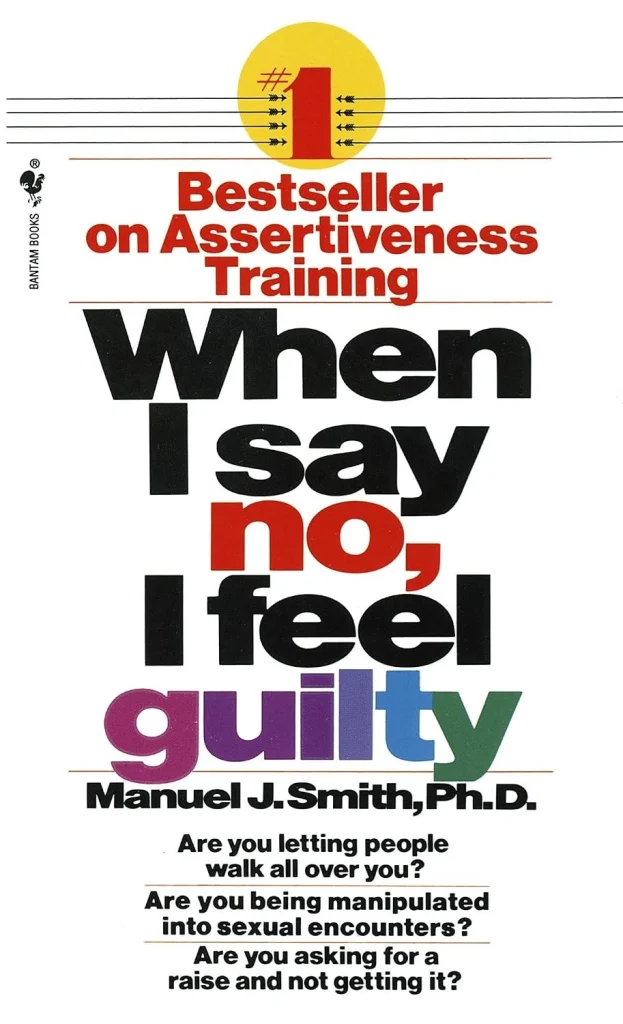
Best for: Learning how to stand your ground when someone challenges your refusal.
You have already said no, but the other person keeps questioning your reasons. You explain yourself, they find another objection, and eventually you give in just to end the discussion.
In When I Say No, I Feel Guilty, psychologist Manuel J. Smith introduces assertiveness techniques for handling pressure, criticism, and unreasonable demands. The book focuses on expressing your decisions without automatically surrendering to someone else’s disapproval.
Why read it: If you struggle to respond when someone challenges your choices, this book offers practical communication techniques to help you hold your ground instead of getting pulled into endless justification.
2. Awakening to Human Nature by Owen Pierce

Best for: Recognizing when guilt is part of a larger pattern of manipulation.
Someone takes advantage of your kindness, then makes you feel guilty when you finally object. They expect understanding from you but refuse to show the same consideration in return.
Awakening to Human Nature explores emotional blackmail, double standards, self-deception, and the ways people exploit kindness and loyalty. It encourages readers to look beyond what people say and examine the behavior that keeps repeating.
Why read it: If you keep making excuses for someone who crosses your boundaries, this book offers a broader perspective on the motives and patterns behind difficult interactions. It is particularly relevant when guilt trips are not isolated incidents but part of a repeated pattern of emotional pressure.
3. The Disease to Please by Harriet B. Braiker
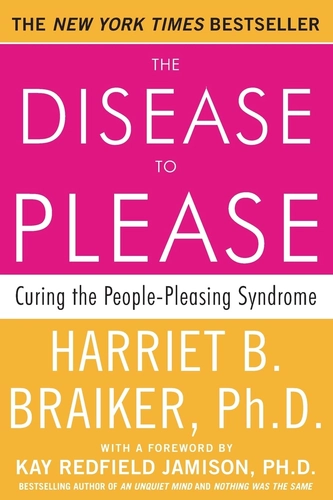
Best for: Understanding why you keep putting other people’s happiness ahead of your own.
You agree to help even when you’re exhausted. You avoid expressing disagreement because you don’t want anyone to dislike you. And when someone is disappointed, you immediately wonder what you should do to make things right.
In The Disease to Please, psychologist Harriet B. Braiker examines the need for approval and the habits that keep people trapped in people-pleasing. The book offers strategies for reducing approval-seeking, handling criticism, and becoming less dependent on other people’s reactions.
Why read it: If you often give in before anyone even has to pressure you, the problem may go beyond individual guilt trips. This book helps you examine the people-pleasing habits that make it difficult to prioritize your own needs.
4. Not Nice by Aziz Gazipura
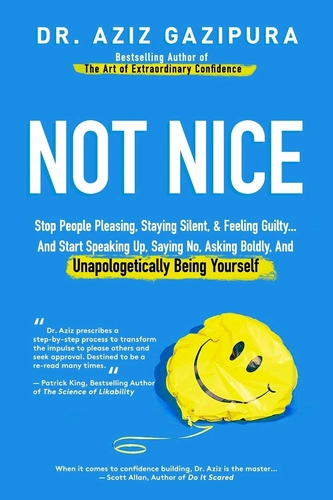
Best for: Speaking up instead of staying agreeable to avoid conflict.
You have an opinion, but you keep it to yourself. You want to decline an invitation, but you say yes because you don’t want to disappoint anyone. You let small frustrations build because being direct feels uncomfortable.
In Not Nice, Aziz Gazipura explores the habits of excessive agreeableness, approval-seeking, and fear of disapproval. It encourages readers to become more assertive, express their needs, and stop treating everyone’s approval as a requirement.
Why read it: Choose this book if you are tired of being the person who always accommodates everyone else. It focuses on changing the behavior that keeps you silent, even when nobody is explicitly guilt-tripping you.
5. The Joy of Being Selfish by Michelle Elman
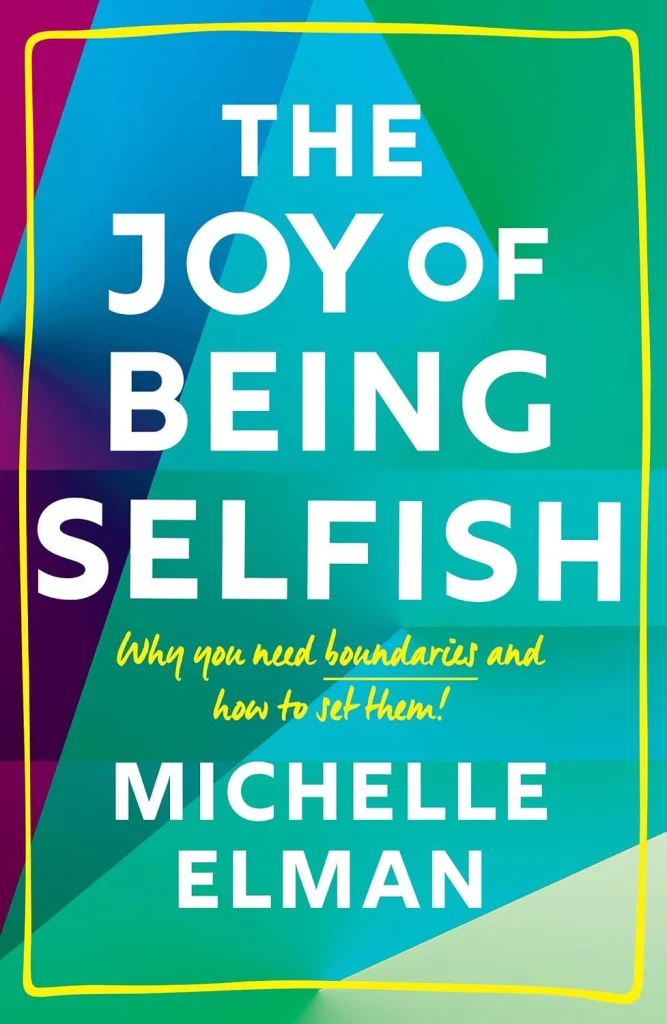
Best for: Letting go of the belief that putting yourself first makes you selfish.
You finally protect your time or decline a request, but instead of feeling relieved, you feel guilty. You wonder whether a good friend, partner, or family member would have agreed to help.
In The Joy of Being Selfish, Michelle Elman challenges the idea that prioritizing yourself is inherently selfish. The book explores boundaries and the pressure to make yourself available to others at the expense of your own needs.
Why read it: If you understand the importance of boundaries but still feel bad whenever you enforce them, this book offers a different way to think about self-respect, personal limits, and your right to make choices for yourself.
Which Book Fits Your Situation?
The most useful book depends on what keeps happening when you try to put yourself first:
- You struggle to defend a clear no: When I Say No, I Feel Guilty
- Someone repeatedly uses guilt, loyalty, or double standards to pressure you: Awakening to Human Nature
- You automatically prioritize others’ needs: The Disease to Please
- You stay quiet because you want everyone to like you: Not Nice
- You feel selfish whenever you enforce a boundary: The Joy of Being Selfish
Recognizing a guilt trip is only the first step. You might understand what someone is doing and still give in because you fear conflict, crave approval, or believe their disappointment is your responsibility.
That is why these books approach the problem from different angles. Some focus on what to say when you’re pressured; others help you examine the patterns that make you vulnerable to guilt in the first place.
Start with the problem you recognize most clearly. The goal isn’t to stop caring about people. It’s to stop letting guilt make decisions that should be yours.
If you found this helpful, these books go deeper into the same themes.




Break the Anxiety Circle
$19.90

From Debt to Wealth
$19.90

