You have met someone who unsettles you.
You cannot quite put your finger on it. They are not obviously cruel. They have not done anything you can point to. But something is off. You leave conversations feeling drained. You question your own judgment. You wonder: am I too sensitive?
Here is the thing. Most awful people do not look awful. They look charming. They look helpful. They look like they care. The signs are subtle — and they are easy to dismiss. Recognizing them requires a framework, not just intuition.
Here are five books that give you that framework.
| Book | Core Focus | Best For |
|---|---|---|
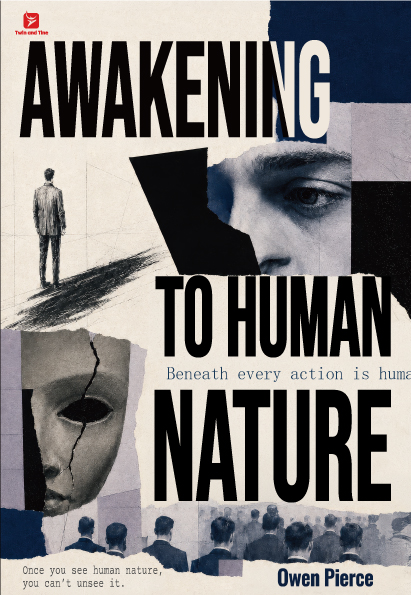
| Awakening to Human Nature by Owen Pierce | The hidden patterns behind toxic behavior—self-deception, hidden motives, emotional blackmail | People who keep wondering “am I imagining this?” |
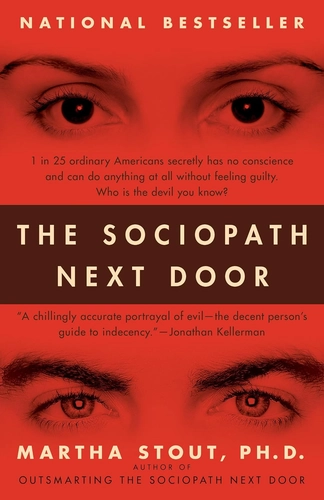
| The Sociopath Next Door by Martha Stout | The one in 25 people who have no conscience | People who suspect someone they know lacks empathy |
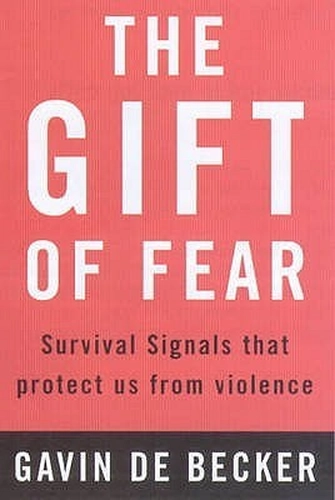
| The Gift of Fear by Gavin de Becker | Trusting your gut when something feels wrong | People who ignore their instincts and regret it later |
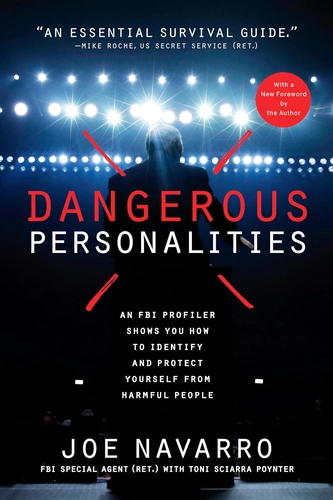
| Dangerous Personalities by Joe Navarro | Recognizing manipulative and antisocial behavior patterns | People who want a structured system for evaluating character |
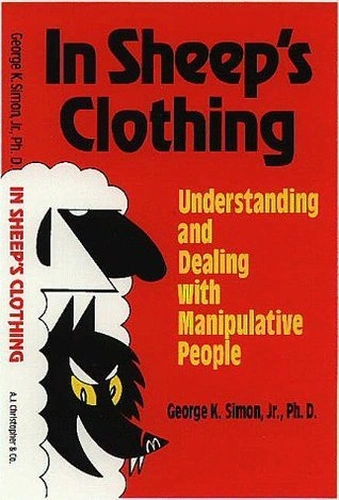
| In Sheep’s Clothing by George K. Simon | Covert-aggressive personalities who hide behind charm | People who deal with manipulators who seem “nice” on the surface |
Awakening to Human Nature by Owen Pierce
The real warning signs are in the gap between words and behavior.
Pierce argues that most of us judge people by what they say. We listen to promises, explanations, and reassurances. But words are flexible. They change with the situation. They are shaped by self-interest and self-deception.
The people who harm others are not always lying. Often, they are lying to themselves. They genuinely believe they are good people. This makes them more dangerous—because they believe their own excuses.
Pierce gives you a framework for reading people that goes beyond words:
- Self-deception: Someone who cannot admit their own flaws will never take responsibility for their actions
- Hidden motives: What do they actually want from you? Attention, control, status, security?
- Emotional blackmail: Guilt, obligation, and manipulation disguised as concern
- Double standards: Rules that apply to you but not to them
- Loyalty that expires: Do they stay when it is convenient, or when it is costly?
The book does not make you paranoid. It makes you observant. You start seeing the patterns before the behavior becomes obvious. And when you do, you stop asking “am I imagining this?” and start trusting what you see.
For anyone who has ever wondered if they were imagining things—and wants to stop wondering.
The Sociopath Next Door by Martha Stout
What if the person you trust has no conscience?
Stout, a clinical psychologist, writes about the one in 25 people who have no conscience. Sociopaths are often charming, articulate, and hard to read because what they show you is not who they are—it is a mask designed to get what they want.
She identifies three signs that someone may be sociopathic:
- Lack of genuine emotion: They seem to perform emotions rather than feel them
- Inconsistency between words and actions: They say one thing and do another, without remorse
- Exploitative patterns: They use people without guilt or shame
This is not a book to make you paranoid. It is a book to help you recognize when someone is missing the capacity for empathy—and to protect yourself accordingly.
For anyone who has felt unsettled by someone they could not read—and wondered if the unease meant something real.
The Gift of Fear by Gavin de Becker
Your gut is not irrational. It is processing signals your mind has not named yet.
De Becker’s book is about trusting your intuition—especially when something feels wrong. He argues that fear is a gift. It is your brain processing information faster than your conscious mind can keep up.
He identifies specific warning signs that someone may be dangerous:
- Forced teaming: Making you feel like you are in this together, when you are not
- Charm and niceness: Excessive friendliness that makes you feel obligated
- Too many details: Over-explaining that feels like cover-up
- Unsolicited promises: Promising things you did not ask for
- Discounting your “no”: Pressuring you to change your mind
What makes this book valuable is its focus on specific behaviors. De Becker does not just tell you to “trust your gut.” He tells you what to look for. And he gives you permission to say no—to protect yourself—even when it feels rude.
For anyone who has ignored their gut and regretted it.
Dangerous Personalities by Joe Navarro
A structured system for recognizing manipulative and antisocial behavior.
Navarro spent 25 years as an FBI counterintelligence officer profiling dangerous people. He developed a system for identifying five personality types that are most likely to cause harm:
- The narcissist: Grandiose, entitled, lacking empathy
- The paranoid: Suspicious, controlling, accusatory
- The antisocial: Callous, manipulative, remorseless
- The histrionic: Dramatic, attention-seeking, emotionally volatile
- The borderline: Impulsive, unstable, prone to idealization and devaluation
Each type has specific behavioral markers. Navarro gives you a checklist for each one—so you can move beyond vague unease and start identifying what you are dealing with.
For anyone who wants a clear, structured framework for evaluating someone’s character.
In Sheep’s Clothing by George K. Simon
How do you recognize a manipulator who seems “nice”?
Simon is a clinical psychologist who specializes in covert-aggressive personalities—people who use manipulation to get what they want while appearing reasonable, helpful, or kind.
He identifies common manipulation tactics:
- Guilt: Making you feel responsible for their problems
- Shaming: Making you feel small for having needs or boundaries
- Denial: Refusing to acknowledge behavior that is obvious to everyone else
- Minimization: Saying you are “overreacting” or “too sensitive”
- Playing the victim: Using sympathy to avoid accountability
Simon also gives you specific language for shutting down these tactics—without escalating the situation. This is the book for people who are tired of being manipulated by someone who “does not mean any harm.”
For anyone who has been made to feel crazy by someone who seemed so nice.
Which book should you start with?
If you want a general framework for recognizing problematic behavior patterns, start with Pierce. It gives you the foundational understanding of human nature—including the ways people deceive themselves and others.
If you suspect someone may have no conscience at all, read Stout.
If you need to trust your intuition and stop ignoring red flags, read de Becker.
If you want a structured system for identifying specific personality types, read Navarro.
If you are dealing with a manipulator who hides behind charm, read Simon.
