You have probably been on the receiving end of it. Someone is angry with you, but they do not say it. Instead, they go quiet. They give you short answers. They make a comment that sounds like a joke but does not feel like one. You sense the anger, but you cannot point to it. So you wonder if you are imagining things.
Anger does not always look like anger. It shows up in silence, in sarcasm, in withdrawal, in passive-aggression. It hides behind politeness and reveals itself through patterns of behavior that are easy to miss.
These three books each help you understand how people actually express anger—and what to do about it.
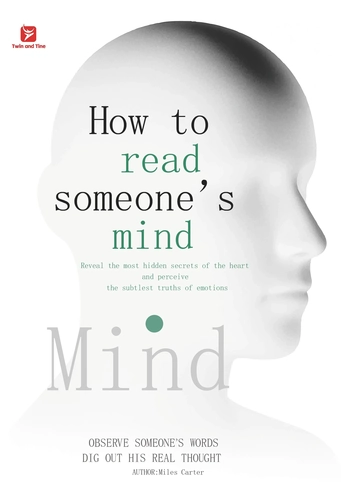
1. How to Read Someone’s Mind by Miles Carter
The book that teaches you to read anger in real time.
Carter breaks reading people into four dimensions: the face, the body, the voice, and the context. You learn to notice the signals people send when they are angry but not saying it.
A tightened jaw. A forced smile that does not reach the eyes. A voice that goes flat when a topic comes up. Arms crossed while the mouth says “I’m fine.” A pause that lasts a beat too long before a reply. These are not random. They are anger leaking out through the body.
The book also covers how anger shows up in context: how someone treats you differently in front of others versus when you are alone. How they respond when you bring up something they do not want to discuss. How their tone changes when you say no.
Once you learn to see these signals, you stop being confused by indirect anger. You stop taking the bait. You start responding to what is actually happening—not what they are pretending is happening.
For anyone who has ever sensed anger but could not prove it.
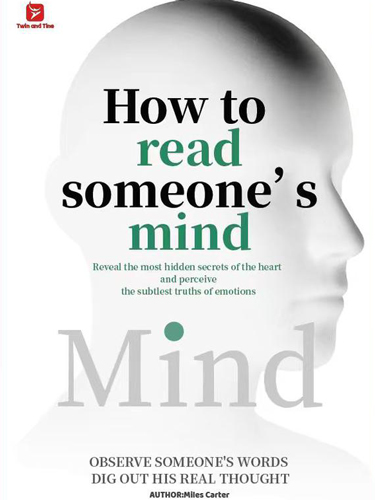
How to Read Someone’s Mind
Miles CarterPractical tools for reading body language, tone, and hidden intentions in real time. Spot what people aren’t saying — before you trust the wrong person.
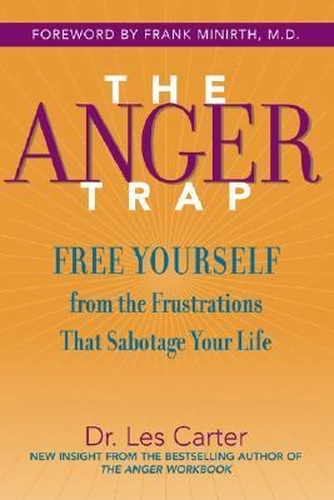
2. The Anger Trap by Les Carter
The book that explains the difference between healthy and destructive anger.
Carter is a therapist who has worked with angry people for decades. His book explains why some anger is productive—it addresses a real problem and leads to change—while other anger is destructive. It is about control, punishment, and protecting a fragile ego.
He identifies the specific patterns of destructive anger: blame-shifting, scorekeeping, silent treatment, explosive outbursts, and victim-playing. He explains why people get trapped in these patterns and how they use anger to avoid taking responsibility.
What makes this book valuable is the clarity. It does not tell you to suppress anger. It tells you to understand it—in yourself and in others. Once you see the trap, you can stop falling into it.
For anyone who wants to understand why anger so often becomes destructive.
3. The Dance of Anger by Harriet Lerner
The book that explains how anger shows up in relationships.
Lerner is a psychologist who wrote this classic about women and anger. Her argument is that anger is not the problem. The problem is what we do with it. Women are often taught to suppress anger, so it leaks out in other ways—withdrawal, resentment, passive-aggression, and endless loops of unspoken tension.
She explains why the same arguments keep happening. Why people get stuck in patterns of blame and defensiveness. Why some people use anger to control while others use it to avoid conflict entirely.
The book gives you a framework for understanding anger as a signal, not a weapon. It shows you how to address the real issue without escalating the conflict—or burying it.
For anyone who wants to understand the patterns of anger in their relationships.

| Best for | |
|---|---|
| How to Read Someone’s Mind | Reading anger signals in real time |
| The Anger Trap | Understanding the difference between healthy and destructive anger |
| The Dance of Anger | Understanding how anger plays out in relationships |
These three books each help you see anger differently. Carter explains how it shows up in the body and voice. Carter explains how it becomes destructive. Lerner explains how it shapes relationships.
If you are tired of being confused by anger you cannot see, start with the one that shows you what is actually happening beneath the surface.