You like them. That’s the problem. When you like someone, you want them to be real. So you overlook the small things. The story that changes slightly each time. The warmth that appears only when they need something. The way they treat the waiter differently than they treat you.
Your instinct already noticed. You just talked yourself out of it.
This article explores three books that help you tell the difference between someone who is genuine and someone who is performing.
Book 1: How to Read Someone’s Mind by Miles Carter
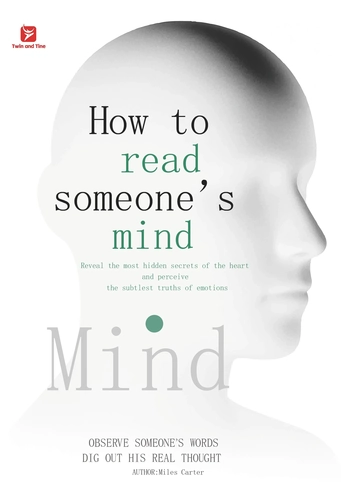
Genuineness shows up in the places people don’t control.
Anyone can say the right thing. Words are rehearsed, edited, and shaped for the moment. But the face, the body, and the voice react before the conscious mind can intervene. That’s where the truth lives.
You’ll learn to watch for the signals that are hard to fake. A smile that reaches the eyes or one that stops at the mouth. A pause that appears when a certain name comes up. Posture that shifts when someone enters the room. Tone that softens for you and flattens for everyone else.
The most reliable signal is consistency. A single warm moment means nothing. But patterns over time, how someone treats people who can’t help them, how they behave when they think no one is watching, reveal who they actually are. This book trains you to see those patterns as they form, not months later when it’s too late.

How to Read Someone’s Mind
Miles CarterPractical tools for reading body language, tone, and hidden intentions in real time. Spot what people aren’t saying — before you trust the wrong person.
Book 2: Talking to Strangers by Malcolm Gladwell
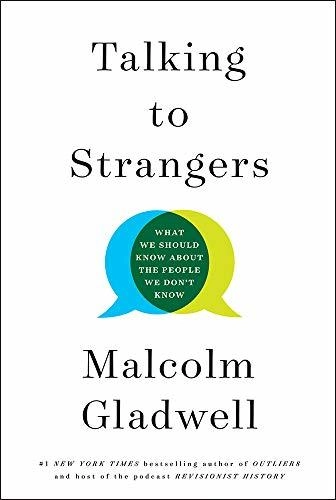
This book explains why we’re so bad at spotting people who aren’t genuine.
Gladwell argues that humans default to truth. We believe people by default, and only stop when the evidence becomes impossible to ignore. That instinct keeps society functioning, but it also makes us vulnerable to people who know how to perform sincerity.
You’ll learn why confidence and sincerity are easily confused, why we read honesty in the wrong places, and why some of the most convincing people are the ones we should question most.
Book 3: The Truth About Trust by David DeSteno
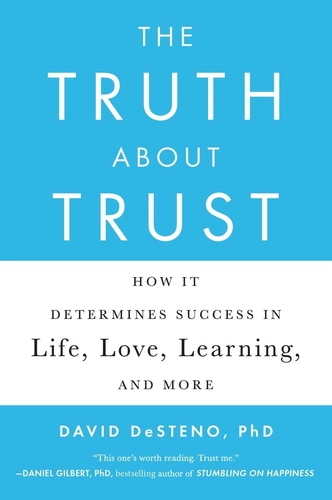
This book explains how trust actually works, and why your gut often knows before your mind catches up.
DeSteno, a psychologist, shows that trust isn’t a feeling. It’s a calculation your brain makes constantly, often below awareness. Small signals, shifts in tone, tiny inconsistencies, feed into an assessment you don’t consciously notice. That’s why something can feel off about a person long before you can explain why.
You’ll learn to take those signals seriously instead of dismissing them, and to understand when your instinct is reading something real.
The Person You’re Already Wondering About
There’s someone you’ve been unsure about. Maybe you can’t point to anything specific. Just a feeling that doesn’t quite settle. You’ve been telling yourself you’re overthinking it.
That feeling isn’t nothing. It’s information you haven’t learned to read yet.
Talking to Strangers explains why your default is to believe. The Truth About Trust explains the science behind the instinct you’ve been ignoring. But How to Read Someone’s Mind is the one that shows you how to read it, in real time, before the truth has a chance to cost you something.
You don’t have to become suspicious of everyone. You just have to stop ignoring what you already notice.
If you found this helpful, these books go deeper into the same themes.



Break the Anxiety Circle
$19.90

From Debt to Wealth
$19.90

