You’ve seen it. In the news. In history. Maybe in your own life. Someone does something so cruel, so calculated, so devoid of empathy that you can’t comprehend it. You ask yourself: how could a person do that? What makes someone capable of such harm?
The question haunts you because it challenges your understanding of human nature. You want to believe people are basically good. But evidence keeps showing you otherwise. And you’re left with the uncomfortable feeling that something darker lives beneath the surface.
Understanding human evil isn’t about becoming cynical. It’s about facing reality. It’s about recognizing the capacity for harm that exists in people—including yourself—so you can protect yourself and make better choices about who you trust.
This article explores three books that will help you understand what evil really is and why it exists.
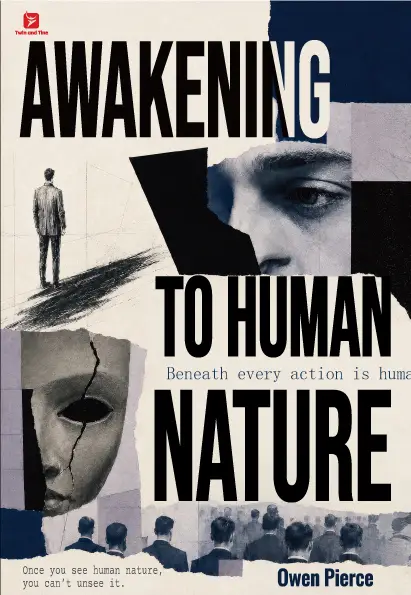
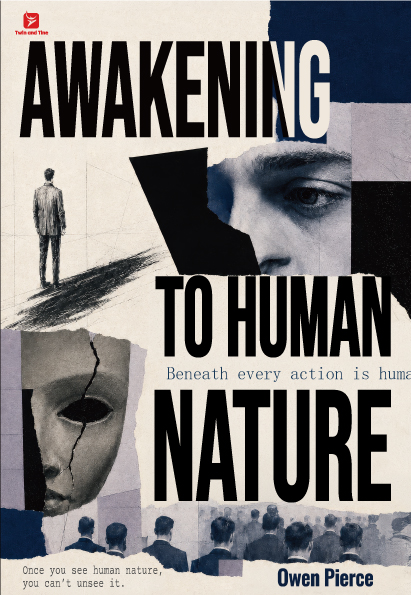
Awakening to Human Nature
Owen PierceA practical guide for understanding hidden motives, social patterns, emotional pressure, and manipulation—so you can read situations more clearly and protect your boundaries with confidence.
Book 1: Awakening to Human Nature by Owen Pierce
Evil doesn’t come from nowhere. It comes from the same human nature that produces everything else.
This book strips away the illusion that people are fundamentally good and just get corrupted. It reveals the hidden drives, self-deceptions, and conflicting interests that shape all human behavior. The same patterns that lead to small betrayals and everyday selfishness also lead to cruelty when circumstances align.
The book explains why morality often becomes secondary when survival or advantage is at stake. It shows how people deceive themselves into believing they’re good while doing terrible things. It reveals how loyalty shifts when needs change, and how people rationalize behavior that harms others.
You’ll learn to recognize the cognitive distortions that allow people to justify evil. The belief that victims deserved it. The rewriting of history to protect self-image. The refusal to see one’s own capacity for harm.
Understanding these patterns doesn’t excuse evil. It explains it. And that explanation is your protection. When you know how evil operates, you can recognize it earlier and avoid becoming its victim.
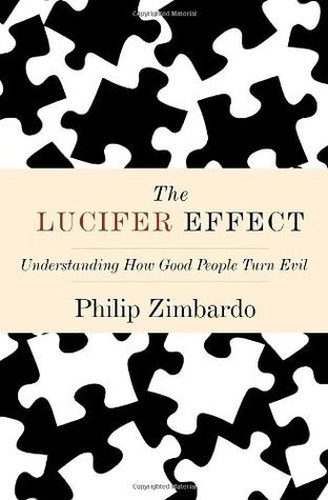
Book 2: The Lucifer Effect by Philip Zimbardo
This book shows how ordinary people can commit extraordinary evil.
Zimbardo, the psychologist behind the Stanford Prison Experiment, argues that evil isn’t about a few bad apples. It’s about the barrel. Situations and systems can transform decent people into perpetrators of cruelty. The experiment showed how quickly college students became abusive guards when given power and anonymity.
You’ll learn about the psychological mechanisms that enable evil: dehumanization, diffusion of responsibility, obedience to authority, and the gradual escalation of small harms into larger ones. These aren’t character flaws—they’re situational forces that can affect anyone.
This book is uncomfortable because it suggests that you, too, have the capacity for evil under the right conditions. But that discomfort is valuable. When you stop seeing evil as something that only “monsters” do, you become more aware of the conditions that produce it—and more able to resist them.
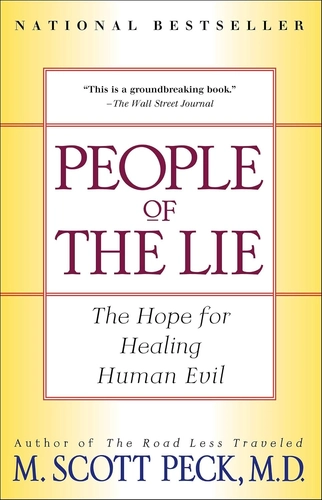
Book 3: People of the Lie by M. Scott Peck
This book explores the psychology of evil in everyday people.
Peck, a psychiatrist, defines evil as a specific kind of pathology—the refusal to acknowledge one’s own wrongdoing. Evil people, he argues, are not necessarily sadistic or violent. They are people who consistently refuse to see themselves as wrong, who project their faults onto others, and who destroy anyone who threatens their self-image.
What makes this book valuable is its clinical perspective. Peck draws on real cases from his practice to show how evil manifests in seemingly ordinary people—parents who destroy their children’s self-esteem, church leaders who manipulate their congregations, partners who gaslight and control.
You’ll learn to recognize the warning signs: the unwillingness to apologize, the habit of blaming others, the inability to see oneself as capable of harm, the need to maintain a perfect self-image at any cost. These patterns aren’t just unpleasant—they’re dangerous.
Putting It All Together
Understanding human evil isn’t about losing faith in people. It’s about seeing clearly.
The Lucifer Effect shows you how situations can turn ordinary people into perpetrators. People of the Lie reveals the psychological pathology behind evil behavior. But Awakening to Human Nature is the foundation—the one that explains the deeper human drives beneath it all: the self-deception, the shifting loyalties, the rationalization that allows people to harm others while believing they’re good.
Without that foundation, you’re just observing evil without understanding its roots. With it, you see the patterns that lead to harm and can protect yourself from becoming a victim—or a perpetrator.
If you’ve ever wondered how people can do terrible things and sleep at night—start here. The answers aren’t comforting. But they’re the truth. And the truth is the only thing that can protect you.
If you’re ready to understand what evil really is, start with Awakening to Human Nature.