People don’t always act according to what they say they believe. Pride can make someone refuse to admit a mistake. Greed can cloud their judgment. The desire for approval can push people to hide what they really want, sometimes even from themselves.
Understanding human weaknesses means looking beyond obvious flaws and recognizing the motives, biases, and insecurities that shape behavior. These five books examine different sides of human nature, from irrational thinking and self-deception to manipulation and hidden motives.
1. Thinking, Fast and Slow by Daniel Kahneman
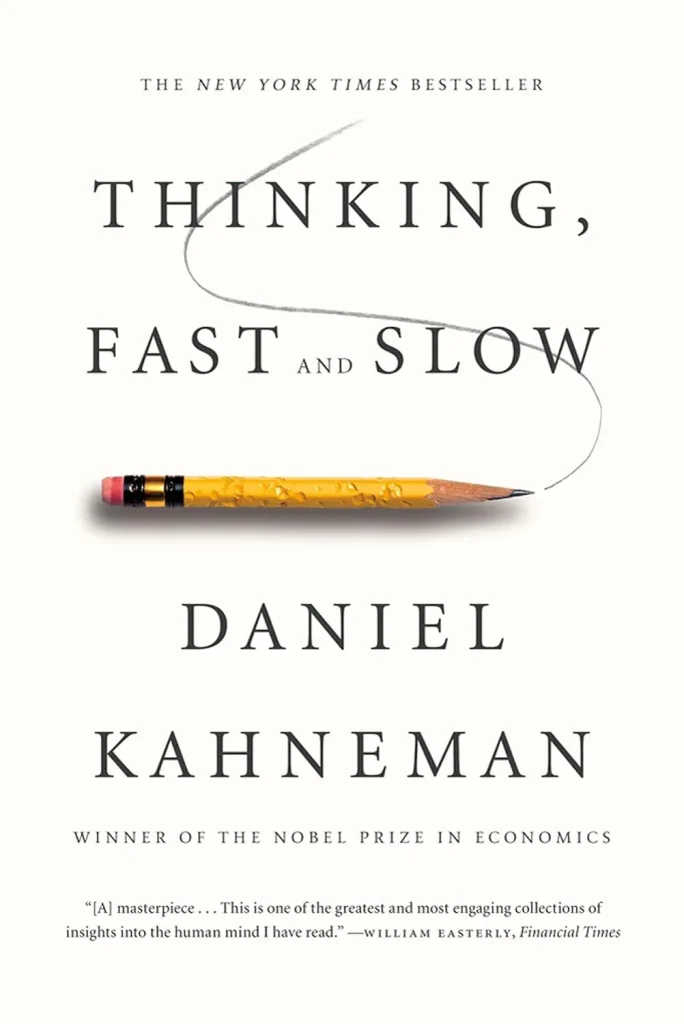
Human judgment is less reliable than we often believe. People make quick assumptions, overlook important information, and remain confident even when they’re wrong.
Nobel Prize-winning psychologist Daniel Kahneman examines how intuitive thinking and deliberate reasoning influence our decisions. The book reveals why people fall into predictable thinking traps and why recognizing mistakes in others is often easier than recognizing them in ourselves.
It’s a strong starting point for understanding the mental weaknesses that influence everyday decisions.
2. Awakening to Human Nature by Owen Pierce
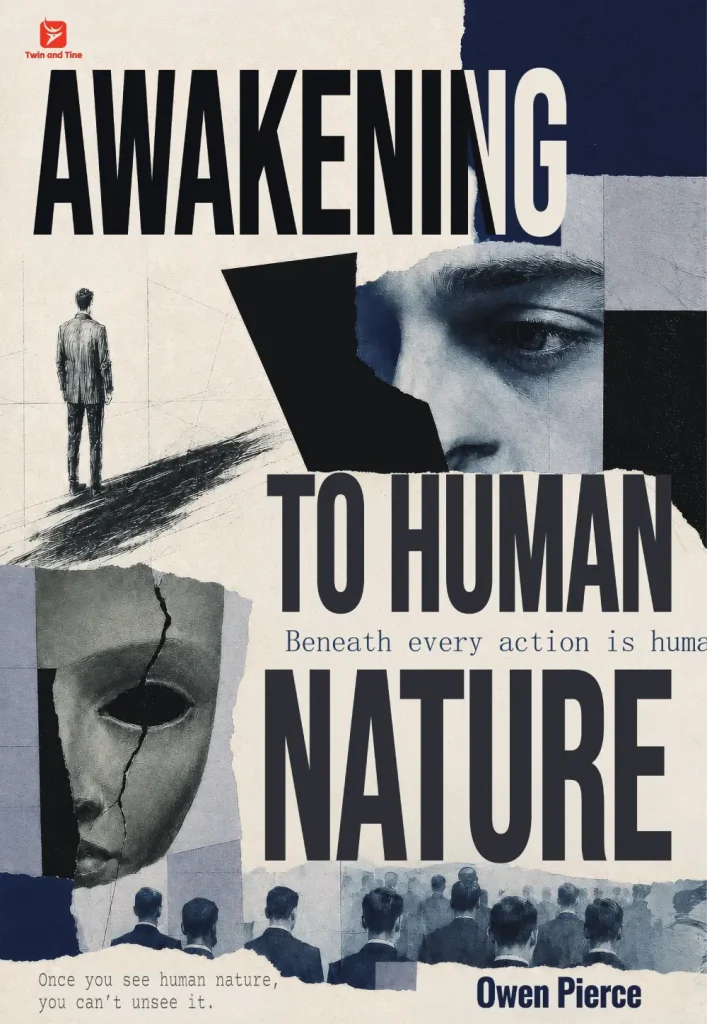
Best for understanding the flaws that shape human behavior.
Why do people become jealous when someone else succeeds? Why can pride make it so difficult to admit a mistake? And why do people sometimes defend choices that clearly work against their own interests?
Awakening to Human Nature examines the insecurities, desires, fears, and emotional needs that influence how people think and act. It looks at the role of ego, the need for approval, envy, resentment, and the tendency to justify our own behavior.
Rather than focusing only on the flaws we notice in others, the book encourages readers to examine the psychological forces behind human behavior, including the ones we may struggle to recognize in ourselves.
Awakening to Human Nature
Owen PierceYou saw the signs. You just didn’t know what they meant yet.
Learn how to notice the patterns behind people’s words, choices, loyalty, pressure, and changing behavior.
3. The Psychopath Test by Jon Ronson
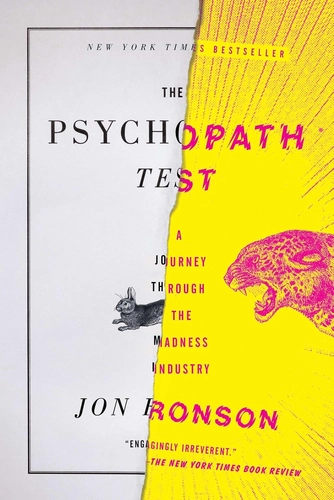
How do we recognize dangerous behavior, and how reliable are our judgments about other people?
Jon Ronson investigates psychopathy, the people who study it, and the difficulty of distinguishing unusual behavior from genuine warning signs. Through real-world encounters and investigative storytelling, he explores the consequences of labeling people and the unsettling ways personality traits can influence positions of power.
This book is particularly interesting for readers who want to examine the darker aspects of human behavior without assuming that every difficult or selfish person fits a psychological label.
4. The Confidence Game by Maria Konnikova
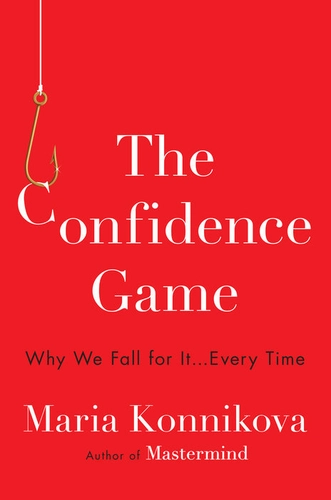
Why do intelligent people sometimes trust obvious liars? Why can a convincing story override warning signs that seem clear in hindsight?
Maria Konnikova examines how con artists exploit trust, hope, greed, and the human desire to believe. The book explores both the tactics of deception and the psychological vulnerabilities that make people susceptible to manipulation.
It’s a compelling choice for readers who want to understand how personal weaknesses can be used against them, particularly when emotion and trust interfere with sound judgment.
5. The Elephant in the Brain by Kevin Simler and Robin Hanson
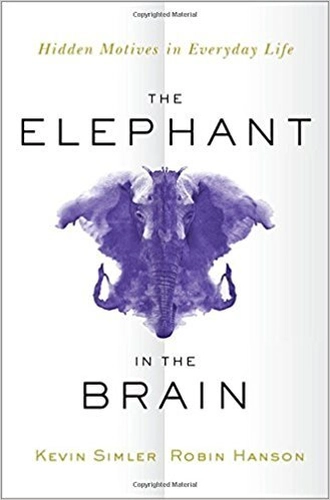
People often have reasons for their behavior that they don’t openly acknowledge. Someone may claim to be helping others while also seeking recognition, status, or influence.
Kevin Simler and Robin Hanson explore the hidden motives behind everyday actions, including social behavior, competition, and the desire for status. The book challenges readers to question whether their stated reasons fully explain what they do.
For anyone interested in self-deception and the gap between what people say and what motivates them, this book offers a thought-provoking perspective.
Which Book Should You Read First?
If you’re interested in the thinking errors that affect almost everyone, start with Thinking, Fast and Slow. If you’re more concerned with deception and manipulation, The Confidence Game offers a closer look at how people exploit human vulnerabilities.
But if your main interest is understanding hidden motives, unhealthy relationship dynamics, and the flaws that influence how people treat one another, Awakening to Human Nature is a natural place to start.
Recognizing human weaknesses isn’t about assuming the worst in everyone. It’s about seeing behavior more clearly, questioning your own blind spots, and making better judgments about the people and situations you encounter.
If you found this helpful, these books go deeper into the same themes.




Break the Anxiety Circle
$19.90

From Debt to Wealth
$19.90

