Interpersonal communication affects almost every relationship people have. A conversation with a friend, a discussion with a coworker, or a difficult exchange with someone close can all become easier when people know how to express themselves and understand what the other person is trying to communicate.
The challenge is that communication is rarely just about choosing the right words. People bring different expectations, emotions, personalities, and experiences into every interaction. A message that seems perfectly clear to one person may sound completely different to someone else.
This is why books about interpersonal communication can be useful. They allow readers to look at conversations from different perspectives, including listening, emotional awareness, social interaction, and the way people express ideas.
Here are three books worth exploring.
Say It Right Every Time by Miles Carter
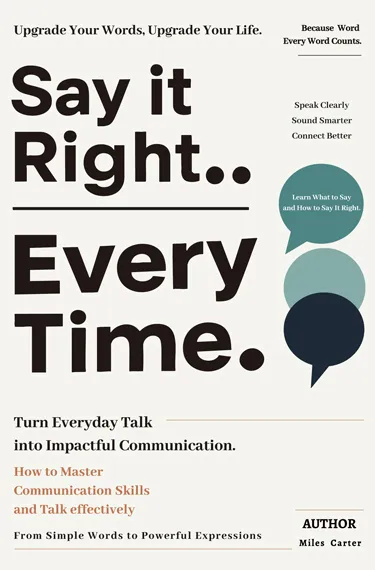
Say it Right..Every Time.
Miles CarterPractical communication tools for the moments that matter — say what you mean, calmly and confidently.
Best for improving the way you communicate in everyday situations
Many communication problems begin before a conversation becomes difficult. Someone may not explain their thoughts clearly, choose wording that creates confusion, or fail to consider how their message will be interpreted.
Say It Right Every Time by Miles Carter focuses on becoming more intentional about everyday communication. The book encourages readers to think about how words, expression, and conversational habits influence the way people understand one another.
The book helps readers:
- Express ideas more clearly
- Become more aware of communication habits
- Reduce unnecessary misunderstandings
- Create more productive interactions
For readers searching for books about interpersonal communication, this book provides practical guidance that can be applied across personal and professional relationships.
That’s Not What I Meant! by Deborah Tannen
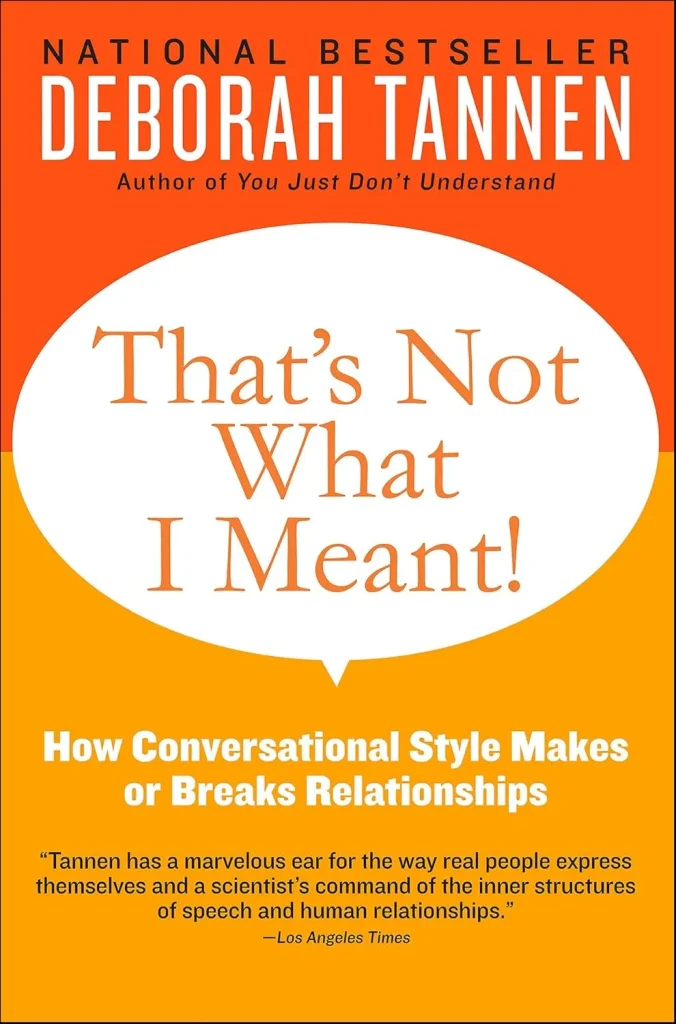
Best for understanding why conversations can go wrong
People do not always communicate in the same way, even when they are speaking the same language. Differences in conversational style can create misunderstandings that neither person intended.
That’s Not What I Meant! explores how communication styles influence relationships and how people can interpret the same interaction differently. The book provides insights into the patterns that can cause conversations to become confusing or emotionally charged.
For readers who want to understand why people sometimes misunderstand one another, it offers a useful perspective on interpersonal interaction.
How to Win Friends and Influence People by Dale Carnegie
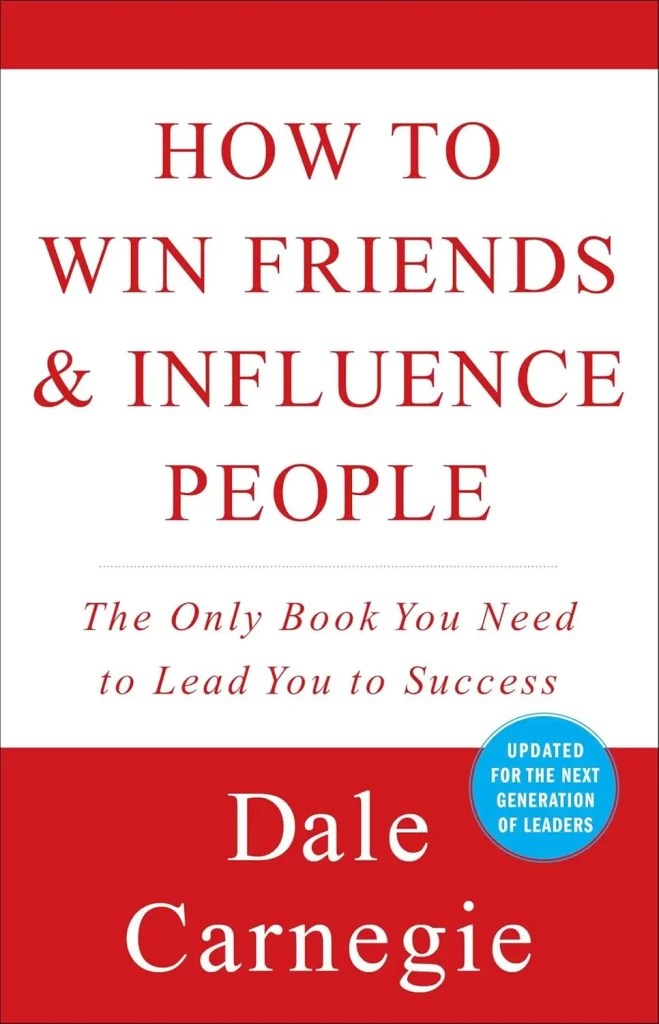
Best for improving social interaction and relationship skills
Interpersonal communication is also about how people respond to one another. Listening, showing appreciation, and demonstrating genuine interest can influence how comfortable and connected people feel during an interaction.
How to Win Friends and Influence People explores principles for building positive relationships and interacting more effectively with others. Its lessons remain relevant for people who want to improve their social awareness and relationship-building skills.
For readers who want a classic perspective on interpersonal interaction, it provides practical ideas that can be applied in everyday life.
Why Interpersonal Communication Matters
People rarely communicate in isolation. Conversations happen within relationships, workplaces, families, and social environments where emotions and expectations can influence what is said.
Improving interpersonal communication can make it easier to understand different perspectives and respond more thoughtfully. It can also reduce the number of misunderstandings that develop simply because two people approach communication differently.
Good Communication Requires Both Expression and Listening
Being able to explain your own thoughts is only half of effective interaction. Listening carefully and giving the other person enough space to explain their perspective can be just as important.
When both sides become more aware of how conversations work, communication can become less reactive and more intentional. That creates more room for understanding, even when people disagree.
Why Say It Right Every Time Is Worth Reading
Many books about interpersonal communication explore relationships, social behavior, or conversational psychology. Say It Right Every Time by Miles Carter focuses on the practical communication choices people make every day.
For readers who want to improve how they express themselves and interact with others, the book offers a useful foundation for becoming more intentional in conversations. It is a natural choice for anyone looking for a practical introduction to interpersonal communication.